

Sudan’s Energy Ministry: Navigating the Maze of Fuel Import Systems
Khartoum – Nazik Shamam
A wave of economic challenges continues to sweep through Sudan’s capital, Khartoum, as the city struggles to recover from the widespread destruction inflicted on vital infrastructure and public services during the conflict.
As reconstruction efforts gradually take shape, residents are grappling with prolonged power outages lasting more than 16 hours a day in some neighborhoods, water shortages that can extend for three consecutive days in others, rising prices, and an increasing scarcity of petroleum products.
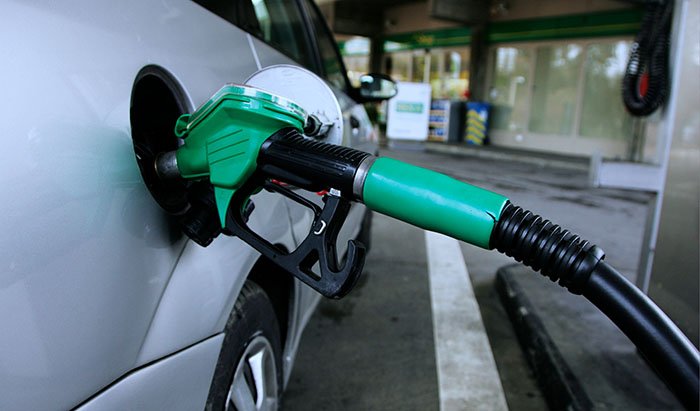
The capital is currently experiencing fuel shortages, particularly gasoline, with long queues of vehicles forming outside filling stations for hours at a time. The situation is being exacerbated by soaring temperatures, fueling frustration and public discontent.
Amid the crisis, Sudan’s Ministry of Energy and Petroleum announced a new set of regulations governing the importation and distribution of petroleum products.
In a statement issued Tuesday evening, the ministry said the measures are intended to ensure a steady flow of fuel supplies and promote greater transparency through the use of international tenders for fuel imports. The new regulations will be implemented in cooperation with qualified companies from both the public and private sectors.
From Group Imports Back to International Tenders
In recent weeks, the ministry abandoned the consortium-based fuel import system that it had introduced in March 2026.
Under that arrangement, private-sector companies were encouraged to organize themselves into joint groups to coordinate fuel imports. Thirty-nine companies eventually formed five consolidated groups and operated under the system from March through the end of May.
However, sources speaking to Sudanhorizon said the consortium model came under pressure from parties advocating a return to the international tender system previously used by the ministry.
According to those sources, certain interests have sought to concentrate import activities among specific companies.
They explained that the earlier tender system relied on accepting the lowest-priced bids in line with international oil prices. However, sharp fluctuations in global oil markets—particularly amid tensions and conflict in the Middle East—created challenges and uncertainty.
The sources argued that the revised international tender framework would incorporate safeguards to address potential loopholes and market distortions.
Calls for Direct Government-to-Government Agreements
Former Sudanese Energy Minister and energy consultant Eng. Ishaq Bashir Jamma called on the government to urgently negotiate direct state-to-state fuel supply agreements with Gulf countries.
Speaking to Sudanhorizon, Jamma warned that the current import mechanism effectively removes Sudan from the global supply chain and places it at the mercy of intermediaries and market brokers.
He argued that the current importers possess no actual assets within the supply chain—such as storage facilities, transportation infrastructure, or fuel depots—which remain state-owned. Their role, he said, is largely limited to financing or chartering fuel shipments rather than serving as genuine suppliers.
Jamma further noted that the absence of sustainable foreign currency resources among these groups means that the responsibility for fuel imports should fall to the Central Bank of Sudan and the state petroleum authorities through direct agreements with neighboring oil-producing countries.
As an example, he pointed to the Yanbu Refinery in Saudi Arabia, located approximately 300 kilometers from Port Sudan, arguing that direct imports would ensure reliable supplies that meet Sudan’s technical and environmental standards.
He noted that Sudan previously benefited from similar arrangements with Kuwait, Iraq, and Saudi Arabia before domestic oil production began.
Inflation and Quality Concerns
Jamma also warned of broader economic consequences if the current situation persists.
According to him, some traders have turned to regional markets to obtain lower-priced fuel products that may not meet quality specifications. This practice, he argued, generates increased local-currency liquidity that ultimately fuels demand for U.S. dollars, placing additional pressure on the exchange rate and worsening inflation amid wartime economic conditions.
He emphasized that fuel is a critical intermediate commodity whose cost affects virtually every sector of the economy. Consequently, he said, the government must maintain control over pricing and ensure price uniformity for consumers to avoid negative impacts on employment and economic growth.
Jamma urged the highest levels of the executive branch to act quickly to establish direct procurement arrangements and shield them from resistance by vested interests.
Industry Opposition
Meanwhile, the owner of a fuel-import company, who requested anonymity, criticized the ministry’s decision to return to the tender system.
Questioning the ministry’s role, he asked whether it intended to function as a buyer or a seller within the tender process.
Speaking to Sudanhorizon, he argued that international fuel prices are already determined by global market benchmarks and commodity exchanges, making government intervention unnecessary.
He maintained that private companies are fully capable of conducting transactions according to prevailing international pricing mechanisms without additional involvement from the ministry.
Shortlink: https://sudanhorizon.com/?p=14724