

“Otoro”: From Rejecting Surrender to Rejecting Resource Theft and the Fate of Sinimmar
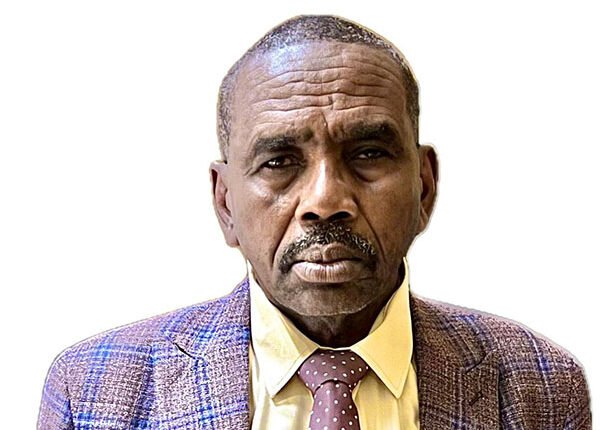
By Ali Ahmed Daggash
In 1991, the Sudan People’s Liberation Movement split, with the Nasir faction — led by Riek Machar, Lam Akol and others — breaking away. The split had a deeply negative impact on the SPLM in the Nuba Mountains, which Yousif Kuwa Mekki then led.
Supply lines were completely severed, and logistical support from the south came to a halt. At the same time, operations by the Sudanese army intensified and nearly crushed the SPLM in the mountains altogether — to the extent that the movement in the Nuba Mountains began considering surrendering to the army and admitting defeat.
In the autumn of 1992, Yousif Kuwa convened a historic large-scale meeting attended by around 200 people, including officers of the SPLA, members of the advisory council, tribal leaders from the native administration, and local commanders. The meeting had only one item on its agenda:
“Should we surrender to the government, or continue the resistance?”
The land of Otoro — specifically the village of Debi — hosted this meeting, and the people of Otoro rallied around Yousif Kuwa, offering him material support and moral backing.
Deeply moved by this solidarity, Yousif Kuwa stood to open the gathering with a speech. After recounting what he described as the long struggle of the Nuba people, he declared:
“I was responsible for the decision to launch the revolution and the war in the Nuba Mountains, and I bear full responsibility for that. But from today onward, let us all decide together whether to continue the armed struggle. Continuing the war or surrendering must be a collective decision.”
It is well known that, after lengthy deliberations — and inspired by the enthusiasm of the women of Otoro — the decision was made to continue the war, which only paused during the years of the Comprehensive Peace Agreement (Naivasha).
Today, twenty-four years after that meeting, the people of Otoro have received what the author describes as “the reward of Sinimmar” from the SPLM. The current clashes have exacted a heavy toll on Otoro, including burned villages and the loss of many lives. The cause of these confrontations, he argues, is the struggle over land and resources, inflamed by gold brokers.
I listened to the exchanged messages between Ali Al-Balla, one of the Rapid Support Forces officers from Otoro, and Lieutenant General Izzat Koko, Chief of Staff of the SPLA-North, in which Izzat Koko threatened to crush Otoro if they did not submit to the SPLM committee headed by Eskial Koko Talodi regarding border demarcation — a polite expression, the writer suggests, for seizing Otoro’s land and handing it over to miners.
There is little value now in the people of Otoro biting their fingers in regret over the denial of their historic role in the SPLM. Yet everyone must seek solutions to grievances through means other than the gun, for the curse of resources will burn Sudan’s land and destroy both the green and the dry alike.
Shortlink: https://sudanhorizon.com/?p=14234