

America and Iran: When Silence Whispers Before the Deal
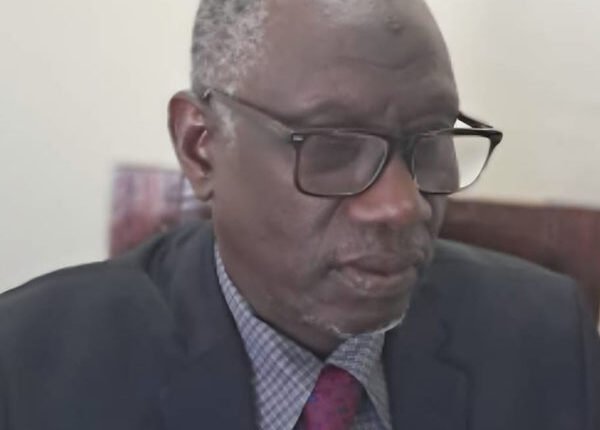
Dr Mohamed Yousif Hassan
In politics, major negotiations are not announced loudly. They are preceded by small signals, whispered by states to one another before they are whispered to the world.
After the funeral of Iranian Supreme Leader Ali Khamenei in July 2026, the scene came to resemble a closed chessboard: pride kept both sides from sitting at the table publicly, yet necessity compelled them to seek a way out.
The first sign that the back door has opened is the movement of diplomats in the shadows. When the Omani, Qatari or Swiss ambassador appears in Tehran without a public schedule, or when Iran’s foreign minister travels repeatedly to Muscat within a single month, it means the papers are already being drafted. States do not send their weighty messengers unless there is something worth discussing away from the cameras.
Then comes the voice of the economy, which is more truthful than any statement. If observers notice that the dollar suddenly falls on Iran’s parallel market from high levels to much lower figures within two weeks, without any real economic improvement, it means that dollar liquidity is being injected from previously frozen assets. This first instalment is usually an undeclared American signal that something is being cooked slowly. Money always speaks before words.
At the same time, tankers move silently. When Iran’s oil exports suddenly rise to more than one million barrels per day, and Washington remains silent without issuing new sanctions, this is not oversight. It is what negotiators call a “silent waiver”. Washington allows Tehran to breathe economically, while Tehran remains silent and avoids declaring victory.
The media is no less important than money and oil. A change in tone across newspapers is a precise psychological indicator. When the language of Iran’s Kayhan or Tasnim becomes less severe, and phrases such as “the Great Satan” are replaced with colder expressions such as “the American side”, and when American media outlets begin speaking of “Iranian flexibility”, then the media guidance machinery has received its signal. Public opinion must be prepared to accept a concession before it is announced.
The final indicator is the silence of weapons. When major Revolutionary Guard manoeuvres suddenly stop, and when the US Fifth Fleet moves a calculated distance away from the Strait of Hormuz, this is not coincidence. It is an unwritten agreement on field de-escalation, because both sides know that a single minor military incident could destroy months of secret negotiation.
These five indicators do not appear on the same day. But when at least three of them appear together, we are no longer in the stage of manoeuvre and display. We have entered the stage of serious negotiation.
The mass turnout at Khamenei’s funeral gave Tehran a popular reserve that delays concession. American pressure gave Washington a prestige that delays the lifting of sanctions. But indicators reveal when endurance becomes more costly than sitting down.
In the end, history does not begin with an agreement. It begins with a whisper.
And the whisper of great powers is not heard in the halls of the United Nations, but in the movement of an ambassador, the price of a currency, an oil tanker, a line in a newspaper, and the silence of a gun.
Shortlink: https://sudanhorizon.com/?p=15654