

Omdurman Market Traders Complain: PM’s Decisions Not Implemented
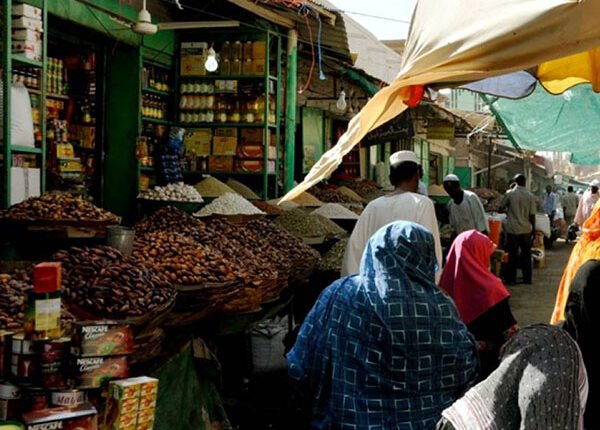
Omdurman – Nazik Shamam
Traders in the Omdurman market complained about the non-implementation of the Prime Minister’s decisions regarding tax exemptions for the years 2023, 2024, and 2025.
Trader Mudathir Al-Hajj, in the Omdurman market, said that the Prime Minister’s decisions and directives regarding tax exemptions were merely “talk unrelated to reality,” emphasizing that there is a significant gap between issuing the decision and implementing it on the ground.
On May 6th, Prime Minister Kamil Idris announced the exemption of traders in the large Omdurman market from fees for the years 2023, 2024, and 2025, while also prohibiting illegal levies.
He stressed the necessity of paying government fees electronically through the “Baladna” platform and not using cash for any official fees, emphasizing his rejection of any illegal levies. Idris stated that “these levies have impoverished the citizens and have not enriched the state.”
Al-Hajj pointed out that many decisions issued by the state’s top administration have not been implemented. He explained that there is a problem, or a “missing link,” in implementing these decisions due to their failure to be disseminated to local authorities. He criticized the behavior of some local tax collectors who disregard state decisions regarding exemptions and refuse to apply them.
For his part, Al-Sadiq Ali, an electrical goods merchant in the Omdurman market, noted the ambiguity and confusion surrounding state decisions concerning fees, taxes, and levies. He emphasized that state institutions operate in “isolated islands,” with some entities issuing decisions while others refusing to implement them.
In an interview, Ali said, “It is only natural to grant tax exemptions during the war years when markets were completely paralyzed.”
He added, “It is illogical for merchants to bear this entire burden after losing their assets and now trying to rebuild. How can a merchant who lost everything in the war be burdened by the state with so many taxes and fees?”
Abdel Salam Ibrahim, a shoe merchant in Omdurman market, agrees with his predecessors, criticizing the government for portraying tax exemptions during the war years as a major achievement.
Ibrahim said, “Even this achievement isn’t being implemented because every entity clings to its own decisions and doesn’t comply with the directives of higher authorities, especially those related to collecting fees and taxes.”
He confirmed that tax and zakat collectors are still patrolling the market to collect and take action against merchants who fail to pay.
Sudanese merchants sustained huge losses during the war years after losing their properties and investments in the capital, Khartoum.
According to government statistics, the poverty rate in Sudan rose to 65%, compared to 40% before the outbreak of the war.
Shortlink: https://sudanhorizon.com/?p=14244