

From Congestion to Stoppage: Recurring Fuel Crises Paralyze Production and Burden Citizens
Sudanhorizon– Nazik Shammam
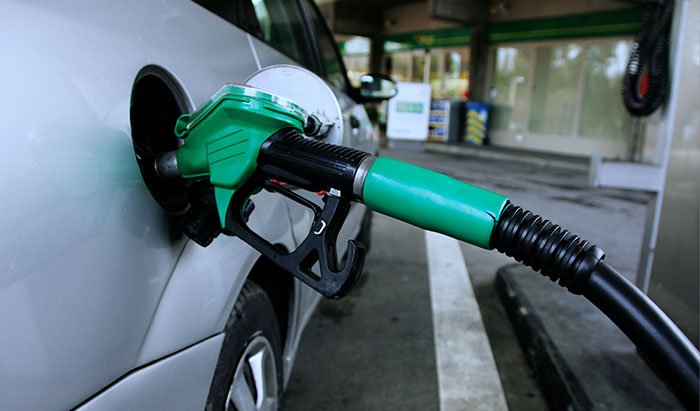
Queues of vehicles at fuel stations have become a recurring sight across the Sudanese capital; no sooner does the congestion vanish than it reappears.
Since the Sudanese government relocated from its administrative capital, Port Sudan, to Khartoum, crises have persisted. This may be natural for a country emerging from the fires of a war that heavily targeted its infrastructure, plunging the economy into chronic, escalating problems. Consequently, the recurring fuel shortages during this period can be viewed from two perspectives: first, as a natural consequence for a nation suffering from a severe lack of foreign currency revenue—rendering it unable to import sufficient fuel amidst fluctuating exchange rates against foreign currencies; and second, as potentially manufactured crises, with the specter of a “third party” looming over the situation.
Deepening the Crisis:
The war has weighed heavily on the Sudanese economy, exacerbating living and economic crises—foremost among them the state’s inability to provide essential goods and services, particularly fuel.
According to the Central Bank of Sudan’s foreign trade statistical summary, imports of petroleum products during the first half of 2026 amounted to approximately $1.495 billion out of a total import bill of $4.517 billion—representing about 33% of the total import expenditure. Within this bill, the cost of gasoil (diesel) amounted to approximately $923 million, while gasoline totaled around $374 million.
Halt in Oil Production:
With the country’s oil production having come to a near-total standstill following the war, the burden of this bill has fallen upon the Central Bank of Sudan. Given the prevailing economic conditions—characterized by fluctuating oil prices, the closure of transit choke points, and disorganized import operations—these crises recur constantly.
Work Stoppage:
Mustafa Kabashi, a rickshaw driver in the Thawra district of Omdurman, says the fuel crisis has forced him to stop working, as he has spent more than three days waiting in queues.
Speaking to Sudanhorizon he added: “Since stopping work, I have been unable to provide bread and vegetables for my family, as I am their sole breadwinner. I used to have a regular transport route, but due to this crisis and the disruption of gasoline supplies, costs have skyrocketed.”
Mustafa explained that a trip which used to cost around 5,000 pounds now costs 10,000 pounds—an amount that does not even cover the cost of the gasoline itself; the black-market price has reached 80,000 pounds, yet the fuel remains unavailable.
He continued: “I have now parked my rickshaw and am considering traveling to the gold-mining areas to earn a living for my family.
-Tangible Solutions Needed:
For his part, Hani Mohamed, a commercial transport driver, called for addressing the fuel price crisis and ensuring the continued operation of service stations so that citizens do not face recurring crises caused by price fluctuations.
He told *sudanhorizon* that the crisis typically lasts three or four days, followed by another three or four days of severe congestion at the stations. Addressing officials and decision-makers, he said: “I hope for a tangible solution, as this crisis harms many people’s livelihoods—especially since, in the wake of the war, people have come to rely on day-to-day earnings.”
He added: “I spent eight days waiting in line for petrol. We understand the circumstances the country is going through, but there must be a fundamental solution to these crises.”
He explained: “With the instability of the dollar exchange rate, fuel prices remain unstable, and waiting in line for eight days is extremely damaging. Make fuel available, let people work, and ensure stations operate regularly.”
– Monthly Queues:
Abu Zaid Othman believes the fuel crisis began with the hike in the customs dollar rate and the prices of petroleum products, noting that some stations have stopped selling fuel altogether.
He revealed that station owners are holding onto existing stock in their tanks until new pricing is announced, intending to sell at the higher rate.
He explained that fuel crises and long queues occur almost monthly and can last for more than a week.
He described the Prime Minister’s statements—claiming that fuel is available and there is no crisis—as contrary to the truth, adding: “Sudan has not seen a crisis like the current one since the days of the Bashir regime.” He continued: “The Prime Minister and members of his government do not see the fuel queues on their way to their offices.”
Prime Minister’s Inspection:
On Wednesday, Prime Minister Dr. Kamil Idris—accompanied by the Minister of Energy and the Governor of Khartoum—inspected several operational service stations in the capital.
During the inspection tour, the Prime Minister emphasized that the conflict had shifted from a military war to an economic one, stating: “The economic war is manageable.”
Idris directed that fuel stations and pumps be supplied with additional petroleum products and stressed the need to expedite fuel distribution to citizens to prevent overcrowding and congestion. He also urged banks to resolve technical issues with banking applications to better facilitate citizens’ needs.
However, a citizen named Abu Zaid added: “If the government insists that fuel is available, it must open the stations, publish supply data, disclose stock levels, announce the daily quantities entering Khartoum, and clearly explain the reasons behind station closures and the queues.”
He called on the government to assume full responsibility and provide fuel—a resource directly linked to people’s lives—stating: “If it fails to do so, it should resign en masse and make way for those capable of leading the country out of the recurring crises that have burdened citizens to the point where they can no longer provide a decent livelihood for their families.”
– Fuel Allocation:
For his part, a worker at a Khartoum gas station—who preferred to remain anonymous—told *Sudanhorizon * that the station has not received its fuel allocation for over a full week, with no explanation from the authorities responsible for distribution.
He added that staff arrive every morning to open the station—while citizens line up outside as early as 4:00 a.m.—only to be forced to inform them that there is no gasoline available. He noted that while some citizens understand the situation,
Others grow angry, believing the station management is hoarding fuel to sell on the black market—an allegation the manager categorically denied.
He emphasized that the station’s tanks are completely empty and that the distribution process has become irregular and inequitable. He explained that whenever they contact the distribution company, they receive a different excuse each time: sometimes citing low supplies or delays in tanker arrivals, and at other times pointing to issues with the payment and pricing systems.
He noted that station workers are directly affected by this crisis, as their wages depend on sales volume. “We haven’t sold a single liter in a week, meaning a full week without income,” he said. “We are now in direct confrontation with angry crowds, bearing the brunt of their abuse and insults, even though the decision is out of our hands.”
Conversely, an informed source at the Ministry of Energy asserts that the current crisis stems from the stations’ exclusive reliance on the “Bankak” app (operated by the Bank of Khartoum) and their refusal to accept transfers via other banking applications.
Speaking to *Sudanhorizon*, the source confirmed that transactions at most fuel stations are restricted solely to the “Bankak” app—rejecting other banking networks or apps—which has led to negative consequences.
He revealed that many motorists struggle to open the “Bankak” app once they reach the pump due to network congestion. This forces them to wait up to four consecutive hours at the refueling site, blocking lanes and obstructing traffic for the vehicles waiting behind them.
He also highlighted various administrative complications and issues that further exacerbate the situation. He noted that the solution lies in making decisive decisions to bridge this gap by activating integration with other banking applications, as well as reinstating the smart fuel card system; this would alleviate pressure on telecommunications networks while facilitating and accelerating payment processes at service stations.
Ultimately, the facts confirm that the fuel crisis in Khartoum is no longer merely an emergency; it has become a recurring crisis revealing flaws in import, distribution, and payment mechanisms. While government statements remain reassuring, the congestion of vehicles at stations and the disruption of transport services serve as the true indicators of the crisis, highlighting the need for fundamental solutions—ensuring a steady supply and stable pricing—rather than temporary fixes.
Shortlink: https://sudanhorizon.com/?p=18533