

A Quintet of Plunder and Domination
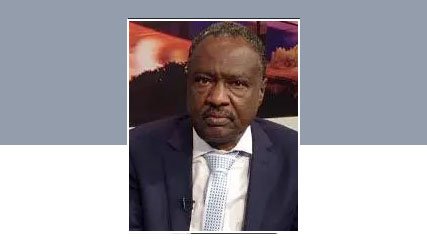
Rashid Abdel Rahim
The Quintet meeting scheduled for today is nothing more than an attempt at political manoeuvring designed to fulfil every ambition and interest except those hoped for and desired by the Sudanese people. The principal objective being pursued through this gathering is to restore the Rapid Support Forces (RSF), absolved of all wrongdoing, and to reintegrate them into power. Indeed, the meeting seeks to establish the framework for distributing shares of authority among its intended beneficiaries.
The Quintet, which seeks to shape Sudan’s future, is working to bypass those who possess a legitimate claim and stake in the country’s future through a flawed process led by parties that disregard the realities created by the war.
The Sudanese people have come to know the RSF directly and intimately through bitter experience. This devastating war has confirmed beyond doubt that this misguided group is a force acquainted only with bloodshed, revelry in killing, mutilation of corpses, the torture of civilians and prisoners, looting, theft, and every conceivable form of criminal conduct.
Beyond its crimes in warfare, this rebellion possesses neither the capacity to administer the affairs of a state nor the ideas required to establish the foundations of governance. It lacks personalities capable of building viable civil institutions. Those who lead it are military figures with little education or expertise, and a glance at the backgrounds of its commanders is sufficient to illustrate this reality.
Sudan’s experience with the RSF has been, in essence, an experience with tribal rule deeply rooted in exclusivist and divisive loyalties—an approach that fuels conflict not only against perceived enemies but even among its own constituent elements.
The international actors seeking to return these forces to power are pursuing interests and ambitions of their own. Should they succeed, the Sudanese people would merely be forced to relive a reality they have already experienced and the tragedies whose bitterness they have already endured.
From the very first steps taken by the Quintet, the flaws in its endeavour and the futility of its objectives became apparent. Instead of fostering consensus, it has generated disagreements among the Sudanese parties that were supposedly intended to form part of this process and participate in the authority it seeks to establish.
The international actors involved have already begun advancing their objectives through this questionable initiative. We have seen, for example, how quickly the United States has returned to a proposal it has consistently advocated in every forum: a ceasefire designed to facilitate the delivery of humanitarian assistance to those in need.
Yet the United States chooses to overlook a fundamental reality. Those most in need of humanitarian assistance are the populations living in areas controlled by the rebellion, where aid supplies are routinely seized and diverted to sustain the rebel military effort, while civilians are subjected to intimidation and repression so severe that few dare to complain or speak openly.
Washington is fully aware of this reality but chooses to ignore another equally important fact: humanitarian aid is not stolen in government-controlled areas. There, citizens themselves collect and distribute assistance through community kitchens and local relief initiatives within neighbourhoods.
The Framework Agreement—one of the principal causes of the war—has re-emerged through this Quintet initiative. Its familiar figures have returned to the stage, foremost among them Mohamed Ibn Chambas and representatives of the African Union.
There is no doubt that the various international mediators, whether from the United States, the African Union, or elsewhere, have accumulated considerable experience over the years. That experience should be sufficient for them to understand a simple truth: it is impossible to impose upon the Sudanese people a solution they do not want. They cannot be compelled to accept a group they have come to know and reject, nor can they be forced to exclude parties they wish to include.
Most of the Quintet’s mediators claim adherence to democratic principles or govern their own countries according to democratic systems. Justice therefore requires that they encourage Sudan to adopt the same democratic principles they advocate and practise at home—assuming, of course, that they are sincere in their intentions and in the values they profess.
Shortlink: https://sudanhorizon.com/?p=14442