

Bankers to Sudanhorizon: Creditworthiness Checks Could Reduce Microfinance Institutions
Sudanhorizon – Hala Hamza
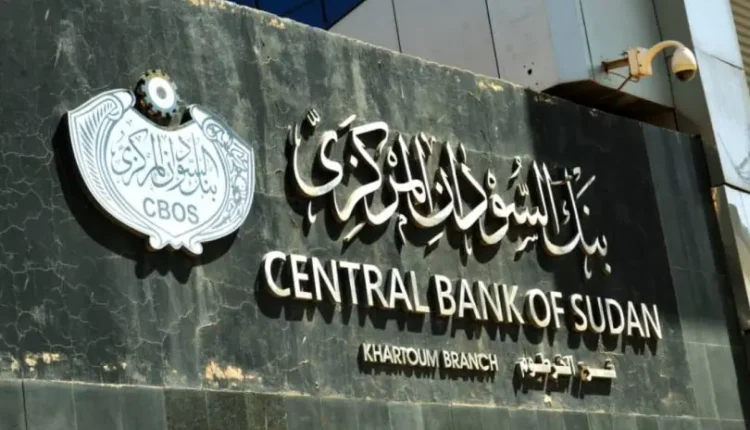
A number of bankers expect the Central Bank of Sudan’s decision to require creditworthiness checks before extending wholesale microfinance funding to lead to a shake-up in the sector, with a significant proportion of existing microfinance institutions likely to fail.
Microfinance expert Dr. Saleh Jibril told “Sudanhorizon” that current microfinance institutions and companies suffer from structural problems that emerged as they expanded without taking into account opportunities for achieving financial self-sustainability.
He pointed to the erosion of resources, which began even before the war, and said that only a very small number of the more than 50 institutions and companies are currently eligible for credit.
Jibril attributed the collapse of a large number of microfinance institutions and companies to their reliance on weak microfinance returns that are insufficient to cover expenses and generate profits capable of increasing the size of their financing portfolios. He also noted the absence of deposits from microfinance clients that could serve as a source of funding.
Dr. Jibril proposed conducting a study of the conditions of these companies and institutions before and after the war, as well as how they could achieve financial sustainability, with the study carried out by experts in the field.
Nada Taha Osman of Dal Microfinance Institution told “Sudanhorizon” that the new aspect of the Central Bank of Sudan’s decision is that the central bank previously carried out creditworthiness checks on behalf of commercial banks, whereas banks are now required to conduct creditworthiness assessments independently.
For her part, Bara’a Mustafa, Director of the Social Development Institution – Khartoum State, told “Sudanhorizon” that the central bank’s directives on creditworthiness checks apply to all government and private microfinance institutions. She noted that the Social Development Institution, as the first government institution, has fulfilled the governance requirements by completing the audit of its financial statements for the previous three years and obtaining approval from the Auditor General. It has also approved the Loan Tracking System (LTS), activated the institution’s branches, addressed existing defaults, obtained a compliance certificate for commercial banks, and secured a guarantee from the Taysir Microfinance Guarantee Agency.
She added that they are awaiting wholesale financing from the central bank, commercial banks, and organizations.
The Central Bank of Sudan had previously directed banks and wholesale microfinance institutions to complete governance requirements at financial institutions operating in the microfinance sector. In the same context, it required them to assess the financing risks associated with these institutions, verify their creditworthiness, and ensure compliance with applicable regulations before making any decision to provide financing.
The central bank justified the decision as part of its efforts to develop the microfinance sector, strengthen financial inclusion, expand access to financing services for target groups, and enable microfinance institutions to benefit from wholesale financing opportunities.
A banking source told “Sudanhorizon” that the central bank’s directives have placed banks under significant responsibility. Before providing financing, banks are now required to assess the risks associated with the company or institution, as well as the guarantees it provides to secure repayment of the financing. The source noted that banks had previously conducted risk assessments of these institutions, but had focused more heavily on the guarantees provided.
Shortlink: https://sudanhorizon.com/?p=17114