

After War Damage, Sudan’s Mycetoma Research Centre Restored and Returns to Full Operations
Khartoum – Sudanhorizon
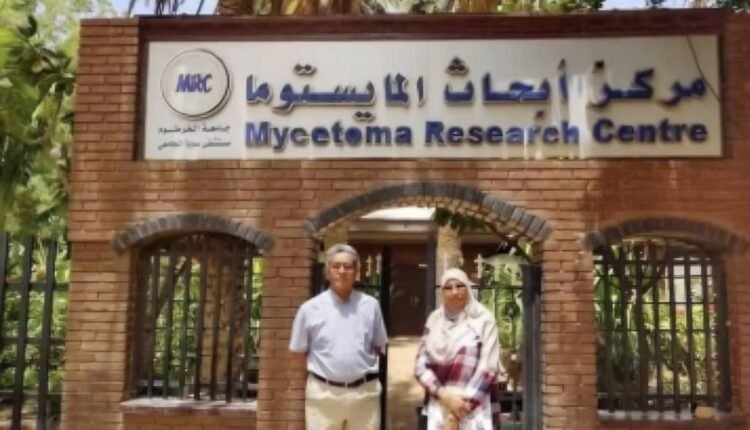
The Drugs for Neglected Diseases initiative (DNDi) has announced the successful rehabilitation of the Mycetoma Research Centre (MRC) in Khartoum, with the facility now fully operational once again. The development marks a significant step toward restoring essential healthcare services in Sudan after the centre was forced to suspend operations because of the war that erupted following the Rapid Support Forces (RSF) rebellion in April 2023.
The Mycetoma Research Centre, affiliated with the University of Khartoum, is the World Health Organization’s (WHO) only collaborating centre dedicated to combating mycetoma and other neglected tropical skin diseases. It plays a leading role internationally by conducting innovative clinical trials, advancing research into point-of-care diagnostic tools, promoting community awareness, and advocating for patients in some of the world’s most underserved communities.
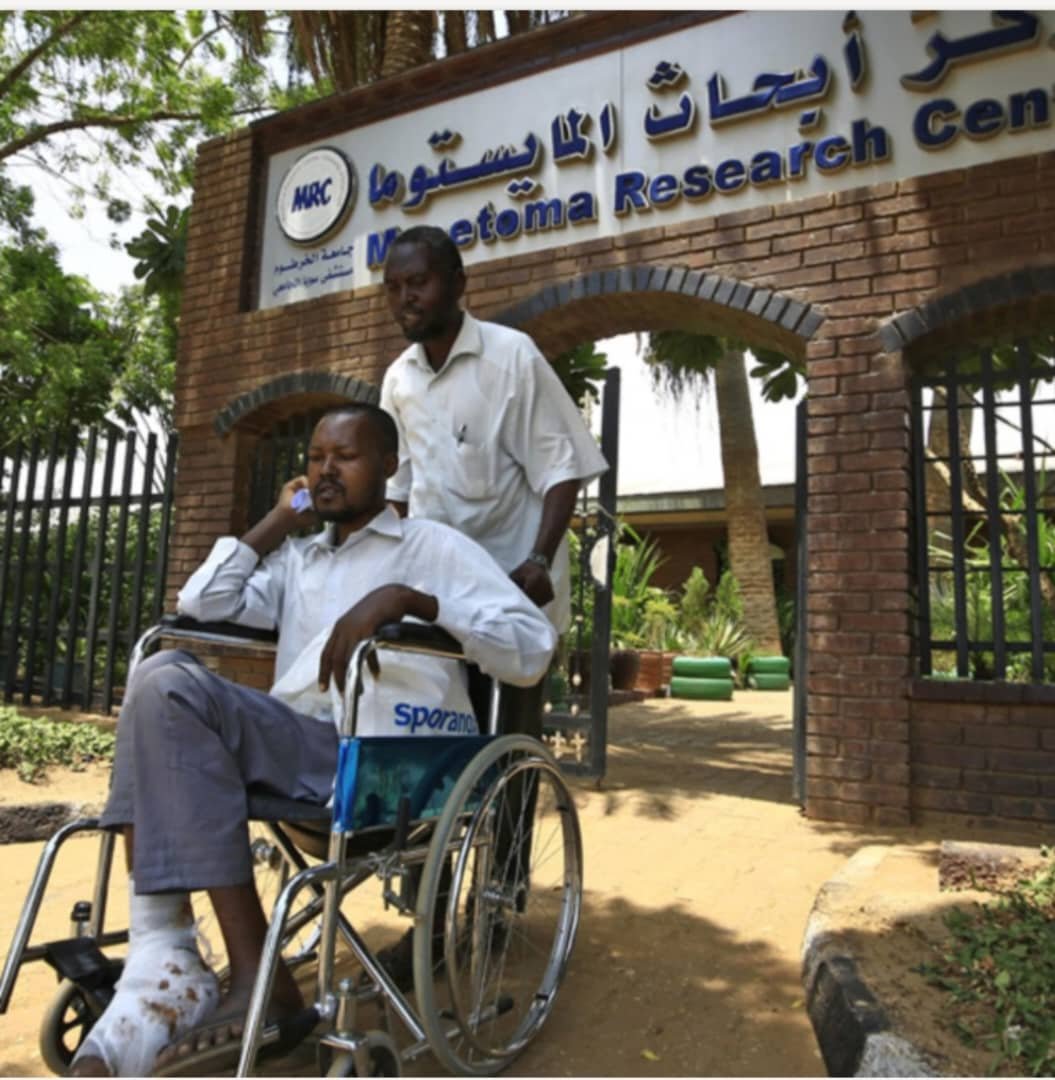
Since its establishment in 1991, the Centre has spent more than three decades serving patients, providing treatment and long-term follow-up care to more than 10,000 people. Its services extend beyond medical and surgical treatment to include rehabilitation and vocational support for patients living with disabilities caused by the disease.
Professor Ahmed Hassan Fahal, Director of the Mycetoma Research Centre and Professor of Surgery at the University of Khartoum, expressed his delight at the resumption of the Centre’s activities.
“The Mycetoma Research Centre has resumed all of its medical and research activities. This is the only facility available for treating this disease in Sudan and the surrounding region,” he said.
Professor Fahal also described the extensive damage the Centre sustained during the conflict.
“In 2025, the Centre suffered severe destruction as a result of the armed clashes, which had a profound and direct impact on the healthcare we provide to patients who depend entirely on our services.”
Looking ahead, Fahal welcomed the Centre’s return to Khartoum and thanked those who supported its recovery.
“I am very pleased to announce that all of our activities and patient care services have now returned to Khartoum. I would like to express my sincere gratitude to all our friends, supporters, and sponsors who stood by the Centre and supported us during the extremely difficult period we went through.”
The reopening of the Centre represents a major milestone in restoring uninterrupted access to life-saving treatment for thousands of people affected by mycetoma, a chronic and severely disfiguring disease. It also renews hope for advancing efforts to eliminate the disease in Sudan and the wider region.
Shortlink: https://sudanhorizon.com/?p=15770