

Minni Minawi and the Sudanese Dialogue: Where Did This Idea Come From?!
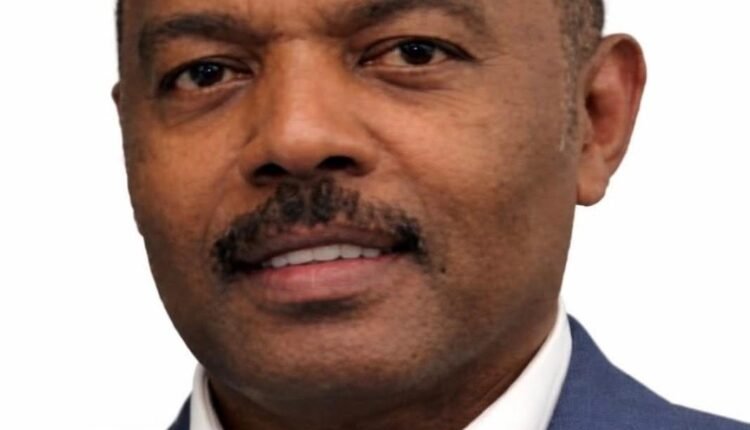
Mustafa Abdel Aziz El-Batal
In an interview conducted by the distinguished journalist Shamail Al-Nour and published in New Horizon newspaper, Mr Minni Arko Minawi expressed his opposition to, and categorical rejection of, the Sudanese-Sudanese dialogue and the preparations currently underway to convene it. That, of course, is his right, and there is no argument about that.
What genuinely astonished me, however, was the first and principal reason he gave for his opposition and rejection. Minawi said: “Political dialogue is not the responsibility of independent figures. Political organisations alone have the mandate to propose and conduct any dialogue.”
In my view, this is one of the strangest statements I have ever heard or read in my life. I do not think anyone preceded Minawi in coming up with such nonsense, nor do I expect anyone to follow him. Where, I wonder, did our dear Minawi come up with this extraordinary notion?!
Modern political history, in both the Western and Eastern worlds, is full of examples of men and women, academics, professionals, intellectuals and independent figures who were not formal political actors, yet succeeded in opening channels of dialogue, preparing the ground for major political settlements, and even helping to bring intractable wars and conflicts to an end.
Consider, if you please, the records of the Dartmouth Conference, which began in 1957 at the height of the Cold War, on the initiative of American and Soviet scientists and academics. It was not an official conference between the two governments. Instead, it was an informal channel that let scholars and intellectuals from the two hostile blocs sit together and discuss the most dangerous questions of war and peace. The process later continued as an unofficial channel of communication between the two sides.
The Pugwash Movement followed a similar path. Pugwash is a small town in eastern Canada where independent scientists and intellectuals from different countries, representing both the Western and Eastern blocs, came together to discuss the dangers of nuclear war and the arms race. They succeeded in creating a bridge for dialogue and in taking their ideas and proposals into policymaking circles. In 1995, the Pugwash Conferences on Science and World Affairs were awarded the Nobel Peace Prize in recognition of their efforts to reduce the threat posed by nuclear weapons.
Perhaps Mr Minawi is unaware that one of the important initiatives that helped pave the way towards the end of apartheid in South Africa was the Dakar Dialogue of 1987. On that occasion, a group of white South African intellectuals, academics, professionals, businesspeople and writers met with leaders of the African National Congress, which was then a banned organisation. The Institute for Democratic Alternatives in South Africa (IDASA) organised the meeting.
The participants who were not members of the African National Congress took part in their personal capacities, rather than as official representatives of any political party or government. The meeting produced important areas of agreement on the possibility of a transition to a democratic, non-racial political system. That dialogue became one of the milestones that contributed directly to opening the way towards the eventual dismantling of apartheid.
The same applies to the process that eventually led to the Oslo Accords between Israel and the Palestine Liberation Organisation. That process began through unofficial channels, with academics, researchers, and intermediaries operating outside formal governmental structures.
In Africa, churches, religious and civil-society organisations, and independent figures have played prominent roles in opening channels for dialogue and mediation in a number of conflicts. One of the best-known examples is the experience of the Community of Sant’Egidio in Mozambique. This faith-based civil organisation succeeded in bringing together the government and the RENAMO movement. It opened a negotiating process that lasted more than two years and culminated in the signing of a peace agreement that brought the civil war there to an end.
Perhaps the most successful and effective dialogue in Sudan’s modern history was the one led by the independent businessman Fath al-Rahman al-Bashir. Through that initiative, he defused tensions and reduced the possibility of renewed fighting between the army and armed groups affiliated with the National Front, based in Libya and Ethiopia. One outcome was the return of the National Front’s leaders, led by Sadiq al-Mahdi, to Sudan and their participation in government.
It is therefore simply not true—whether from a logical, historical or practical perspective—that political dialogue is the exclusive preserve of political organisations and parties. Political history contains ample evidence demonstrating that successful initiatives do not always have to begin from within political institutions.
Opposition to the Sudanese-Sudanese dialogue may be a perfectly legitimate subject for debate. Minawi, or anyone else, is entitled to refuse to participate, or to object to its agenda, participants or timing. But to claim that the mere fact that those organising it are “independent figures” deprives them of the right to initiate or organise dialogue is an assertion unsupported by political history or by the experience of nations in managing and resolving conflicts.
Shortlink: https://sudanhorizon.com/?p=17651