

After Geneva… Sudanese Dialogue Moves Towards the Forefront of a Solution
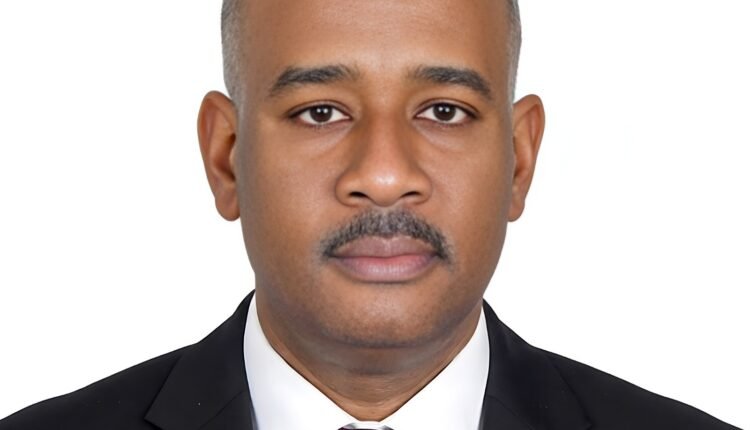
Muhannad Awad Mahmoud
I have reviewed the outcomes of the sixth consultative meeting on coordinating peace efforts in Sudan, held in Geneva on 21 October 2026, and I believe they create an opportunity for Sudanese dialogue to move towards the forefront of efforts to resolve the conflict. The outcomes brought together a rejection of a military solution, a commitment to Sudan’s unity and institutions, and support for a political process led by Sudanese people themselves. My reading is that reaching agreement on the country’s future has become essential to ending the war.
The Geneva meeting matters because it brings together neighbouring countries, the five permanent members of the UN Security Council, and influential regional and international actors around shared principles for ending the war and preserving Sudan’s unity. The challenge is to translate this declared agreement into practical measures: continuing efforts to halt the fighting, preventing the supply of weapons and funding to the militia, protecting civilians, and ensuring the delivery of humanitarian aid. At the same time, Sudanese people have a responsibility to build understandings that give any settlement clear substance and a firm basis of support within society.
Fear of what might happen after the fighting stops may lead some parties to cling to the war. The absence of guarantees on security, political participation, and the protection of rights makes accepting a settlement harder. Dialogue can help address these fears and establish clear understandings that give the parties and society greater confidence that the war can be brought to an end.
Security negotiations remain essential for reaching agreement on a ceasefire and monitoring its implementation. Broader Sudanese dialogue, however, can help answer the question that will confront any agreement: how will the country be governed once the fighting stops? Every step toward answering this question can advance security arrangements and reduce the likelihood of their collapse under the pressure of unresolved disagreements.
For this reason, making dialogue conditional on the end of the war may delay one of the very conditions that could help bring it to an end. Consultations, confidence-building and agreement on principles can begin while efforts to secure a ceasefire continue. At the same time, the protection of civilians and the provision of humanitarian assistance must proceed without waiting for the outcome of the political process. Saving lives is urgent, and consensus-building must begin now as well.
One of the most important points emphasised in the Geneva outcomes was the need to broaden participation to reflect the diversity of Sudanese society. Displaced people who want to return home, farmers waiting to regain access to their land, and families seeking security, education, and healthcare all have priorities that should shape the settlement. Their participation, alongside that of women, young people, political forces, and local communities, gives dialogue strength beyond the negotiating table: a social constituency that knows what it wants to reclaim and can demand it, while holding those who obstruct its aspirations accountable.
Commitment to Sudan’s unity and rejection of parallel governments and governing institutions also provide a foundation to build on. Agreement on preserving the state makes it possible to discuss its reform, the distribution of power within it, and the protection of citizens’ rights. Clear rules governing participation and accountability would make political differences easier to manage and reduce the fear that such differences might threaten the very existence of a community, region, or political movement.
In this context, the reference to the Sudanese Dialogue Preparatory Committee’s activities in Khartoum is significant. The meeting noted these activities, confirming the committee’s presence in international discussions and opening the way for further engagement. The value of this recognition, however, will depend on what its work achieves on the ground: reaching out to those with differing views and those who remain hesitant, listening to their concerns, providing guarantees of participation, and enabling Sudanese people, both inside the country and abroad, to influence the agenda.
Coordination among the Quad, the Quintet, and neighbouring countries could also reduce duplication and conflicting efforts while strengthening the effectiveness of pressure to end the war. Such coordination becomes more valuable when it is guided by clear Sudanese priorities that international partners can support. National ownership of dialogue means framing the questions, setting priorities, and making decisions, while drawing on external assistance and the guarantees international partners can provide.
This process must also address victims’ rights, justice, and security arrangements in a serious and meaningful way. Public confidence in peace depends on people believing it will protect them, acknowledge the harm they have suffered, and prevent it from recurring. Consultations must therefore lead to actionable steps, with clearly assigned responsibilities and transparent follow-up, so that participants can see their voices reflected in the outcomes.
For these reasons, I believe Sudanese dialogue is moving towards becoming a central pillar of efforts to end the war, provided it is accompanied by security understandings and effective pressure to halt the fighting. The Geneva outcomes offer an opportunity to bring these efforts together, but their value will depend on what Sudanese people and their partners do next.
Every step toward a broad-based Sudanese agreement will clarify a settlement and strengthen the position of those calling for an end to the war. This is the opportunity that must be seized in the wake of Geneva.
Shortlink: https://sudanhorizon.com/?p=19364