

The UN Security Council and El Obeid
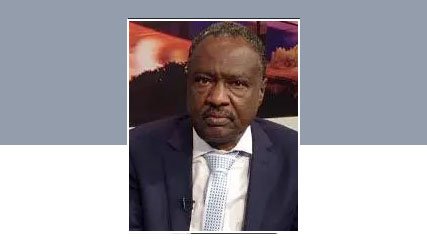
Rashid Abdelrahim
Yesterday’s statement by the United Nations Security Council regarding the Rapid Support Forces’ build-up around the city of El Obeid sends a clear message to the rebels: the world’s highest body responsible for maintaining international peace and preventing military aggression is either unwilling or unable to stop the imminent attack it has itself warned against. More troubling still, it appears incapable of taking any practical measures that might encourage others to act in preventing the assault.
It is both logical and reasonable to assume that the same eyes that observed the military build-up also identified the states behind it. The first meaningful step towards preventing aggression would therefore be to name the countries that support and facilitate it.
These actions echo the Security Council’s deeply disappointing response to the massacres in El Fasher, where it stood by as little more than a spectator.
The Council’s approach to El Fasher previously, and to El Obeid today, conveys a single message that the Rapid Support Forces are likely to understand: advance, kill, rape, violate every principle and norm of international human rights law, and nothing will happen to you. No state will stop you, no international institution will restrain you, for we are the highest and most influential of all international bodies.
The rebels’ motives for revenge are deep-rooted and manifold. They hold Kordofan and its people responsible for the resilience shown in Babanusa, where they resisted the Rapid Support Forces, and now for the steadfastness demonstrated in El Obeid. This rebel movement has consistently harboured resentment against communities, tribes, neighbourhoods and every locality that dares to resist its advances. It repeatedly returns with greater force, deadlier weapons and a spirit of vengeance that spares neither the young nor the old. The proud history and distinguished legacy of the Haggana Abu Rish forces will only fuel further bloodshed, casualties and destruction.
An international organisation such as the United Nations Security Council ought either to stand by its words and possess the will and ability to enforce them, or remain silent rather than reduce international institutions to objects of ridicule, contempt and disrespect.
Before and throughout the war, Sudan has been one of the countries with which the Security Council has maintained extensive engagement. Yet throughout that period, Sudan has derived neither benefit, protection, nor meaningful assistance. This alone should convince the Sudanese people that reliance on the international community will neither safeguard them from aggression nor secure their interests. The rebellion and its supporters, both within Sudan and abroad, will continue their activities unless they are confronted by the resolve and determination of the Sudanese people themselves, supported by partnerships with other major powers capable of providing assistance, solidarity and mutually beneficial cooperation.
Those Sudanese who continue to place their hopes in the international community are, in the author’s view, the very people who place little value on the safety of their country or its citizens. They align themselves with foreign states and lend support to aggression behind international positions that encourage and facilitate it.
They are, the author concludes, the same people who sided with and supported the enemy from the very beginning of the conflict.
Shortlink: https://sudanhorizon.com/?p=15032