

“Sudan and Egypt… A Partnership of Destiny and the Diplomacy of Water and Development”
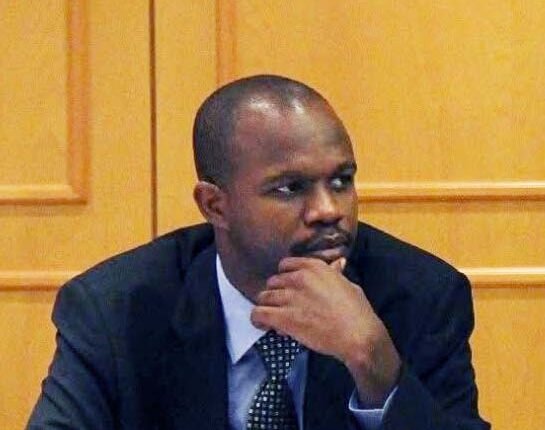
Dr Ammar Abkar Abdullah
Amid the delicate circumstances facing Sudan—and the unprecedented humanitarian, developmental, and security challenges confronting its people—the sincere and supportive موقف of sisterly nations emerges as a genuine pillar reflecting the depth of historical and human ties between peoples.
In this context, Egypt continues to present an advanced model of regional cooperation and developmental engagement, particularly within the Nile Basin. This is under the leadership of Abdel Fattah el-Sisi, Prime Minister Mostafa Madbouly, and the efforts of Dr Hani Sewilam, who leads the regional water cooperation file with a balanced technical and diplomatic vision that reflects Egypt’s central role in supporting development and stability across Africa.
Following a review of what was published by the Egyptian Cabinet and statements from the Ministry of Water Resources and Irrigation and the Nile Water Sector on Monday, 11 May 2026, the scale of Egypt’s contribution to supporting southern Nile Basin countries becomes evident—not merely through political rhetoric, but via tangible, sustainable development projects that directly impact citizens’ lives.
Egypt has reaffirmed its firm commitment to development in Nile Basin countries by launching a $100 million financing mechanism—under direct directives from President Sisi—to fund studies and development projects. This is in addition to implementing projects exceeding $115 million in value, including:
drilling groundwater wells
constructing underground reservoirs
establishing flood forecasting centres
improving water management systems
facilitating technical cooperation, capacity building, and training
These efforts represent a clear embodiment of development diplomacy and responsible regional cooperation.
Amid these initiatives, Sudan—with its strategic location and vast water, agricultural, and human resources—remains in urgent need of strengthening pathways of regional and international cooperation, particularly in the water and basic services sectors, which have been severely affected by the current crisis.
In this regard, Sudanese–Egyptian cooperation can play a pivotal role in supporting the restoration of drinking water and sanitation services—sectors closely tied to public health, community stability, and the return of normal life to affected cities and villages.
Sudan today urgently requires:
rehabilitation and operation of drinking water stations
maintenance of water supply networks
provision of treatment units
reactivation of pumping stations
expansion of groundwater well drilling, especially in areas where traditional water sources have been disrupted
The sanitation sector also poses a major challenge, requiring urgent technical and engineering support through:
rehabilitation of sewage networks
restoration of treatment plants
improvement of safe wastewater disposal systems
These measures are essential to reduce environmental and health risks and limit the spread of disease.
Within this framework, Egypt possesses extensive and accumulated expertise in:
implementing drinking water and sanitation projects
managing and operating water facilities
drilling wells
utilising solar energy to power water systems
It also has well-established technical institutions and national companies with wide experience in delivering infrastructure and essential services projects at both domestic and regional levels.
Furthermore, Egypt’s experience in executing water projects across Nile Basin countries—such as in Uganda and Rwanda—offers a practical model that can be replicated in Sudan, whether through:
technical support
training and capacity building
or the implementation of urgent and sustainable projects
These efforts can significantly improve access to safe drinking water and sanitation services for Sudanese citizens.
Restoring water and sanitation services in Sudan is not merely an urgent humanitarian response—it is a fundamental entry point for stability, recovery, and reconstruction. These services are directly linked to:
public health
education
social stability
the return of displaced populations
and the revival of economic and agricultural activity
Therefore, standing with Sudan at this stage requires coordinated efforts at the Arab, African, and international levels, and the effective utilisation of available expertise and capacities—foremost among them those of Egypt—to enhance prospects for recovery and stability, and to restore hope for a safer and more secure future for the Sudanese people.
May God protect Sudan and its people, and safeguard Egypt and its people, and preserve the bonds of brotherhood, history, and shared destiny between the two nations.
Shortlink: https://sudanhorizon.com/?p=13760