

From Khartoum, Greetings (1)… A Series of Observations by the Editor-in-Chief
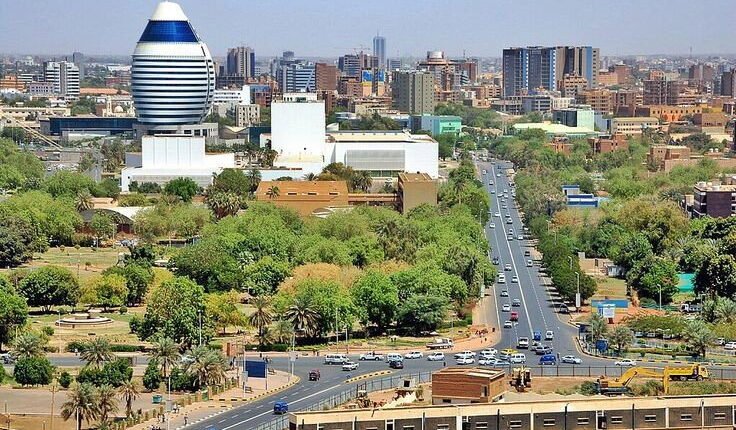
On Wednesday afternoon, 29 April 2026, our Tarco flight touched down at Khartoum International Airport. As the aircraft’s wheels descended towards the runway, I glanced at the man seated beside me—tears were streaming down his face as he whispered prayers of gratitude to God for allowing him to live to witness this moment. A wave of mixed emotions swept through the cabin: joy, astonishment, and sorrow. The passengers on Tarco Flight 201 had come from different destinations, brought together in Port Sudan Airport before heading to their final destination. Some had also crossed paths in the SAS lounge.
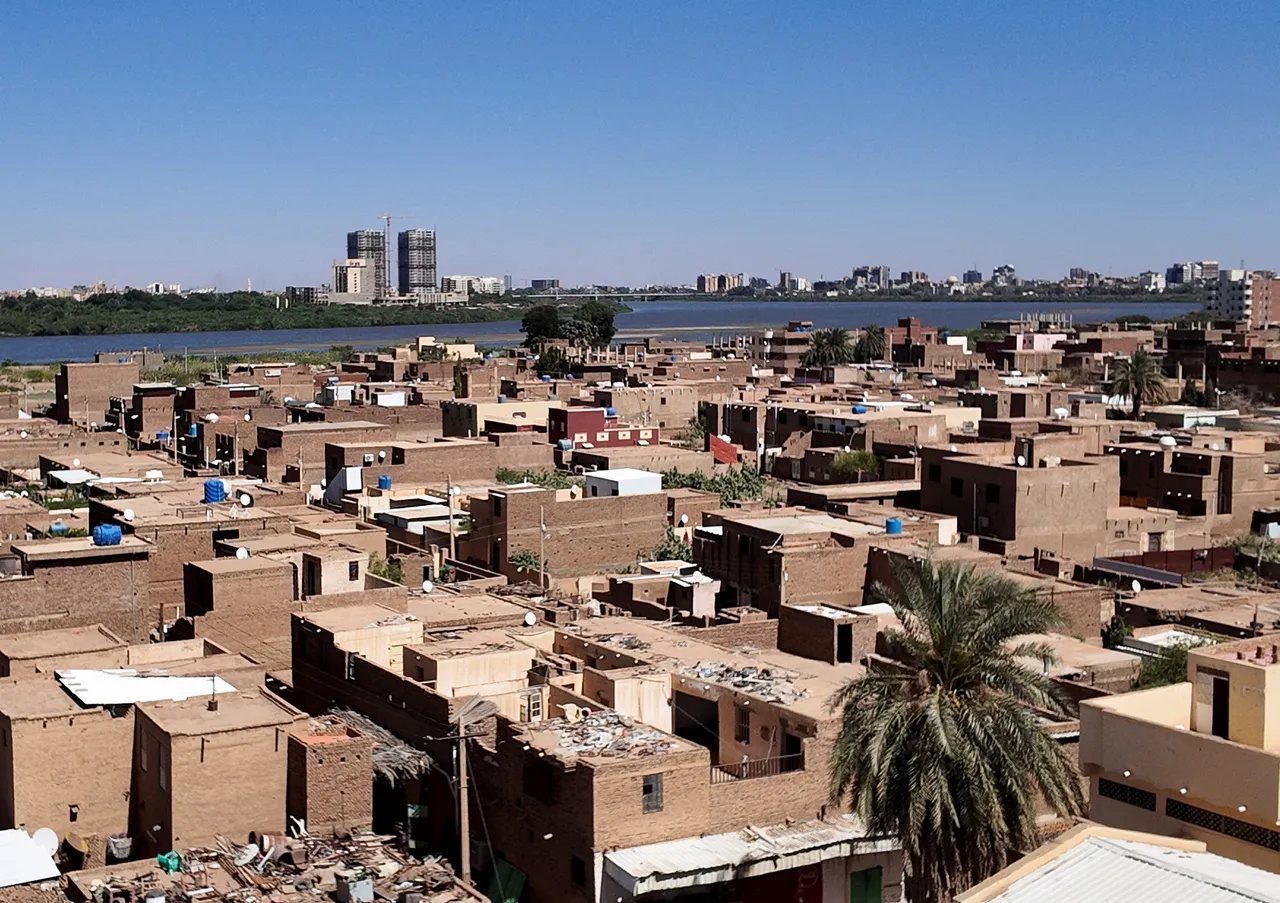
SAS and Excellent Service
At the lounge of SAS Airport Operations Company in Port Sudan Airport, the flow of travellers never seems to cease. Passengers arrive from Cairo, Jeddah, Riyadh, Muscat, and Istanbul en route to Khartoum. Despite the heavy traffic, the young staff make you feel as though you are their only guest—greeting each arrival personally and asking whether they need anything beyond the already high standard of service.
There, one encounters Sudanese from all walks of life—people long separated by the war. You hear countless stories of those scattered across the world after the conflict, forming a diaspora bound by solidarity, generosity, and deep national longing—though sometimes also marked by a degree of disorderly behaviour, as if some interpret the saying “when you’re not in your own country, you can behave however you like” a bit too literally.
Khartoum Airport Up Close
Our flight path took us over southern Khartoum as the sun was setting. By fortunate chance, my seat was on the left side of the aircraft, giving us a clear view of the White Nile flowing towards the confluence, and in the distance we could see the Al-Dabbasin Bridge—a lingering testament to successive governments’ failure to prioritise and fulfil both domestic and international commitments.
The committee led by General Ibrahim Jaber selected the Hajj and Umrah terminal, at the far southern end of the airport complex, as a temporary facility for arrivals and departures—and rightly so. The condition of the main airport buildings, visible to passengers as the aircraft taxied slowly to its final stop, revealed the extensive damage sustained. Restoring the main terminal will clearly require substantial time and resources.
From the runway, we could see the devastation affecting the airport façade, aircraft stands, and cargo facilities. The plane came to a halt near the Hajj and Umrah terminal, and passengers were allowed to unfasten their seatbelts.
Before we had even fully stopped, we saw a Sudan Airways aircraft preparing to land, also arriving from Cairo. It had dropped off passengers in Port Sudan, flown to Riyadh, returned with passengers, and joined those already waiting. Then came the Tarco flight attendant’s announcement:
“Passengers arriving from Port Sudan, please disembark first.”
At that point, I realised we were effectively three groups on one flight:
One group (including myself) had arrived earlier from Cairo via Port Sudan and had already completed entry procedures there.
A second group had come from Jeddah and remained on board, needing to complete immigration procedures in Khartoum.
A third group was on a domestic leg from Port Sudan to Khartoum, requiring no entry stamp.
Passengers from two simultaneous flights crowded around a single, short baggage carousel—the only one in the arrivals area. There was barely any space to retrieve luggage. Travellers, greeters, airport staff, and workers all mingled in the same tight space. Yet remarkably, there was little sign of frustration. Many had been away for nearly three years—waiting an extra hour for luggage felt insignificant compared to the emotional reunions unfolding in embraces and tears.
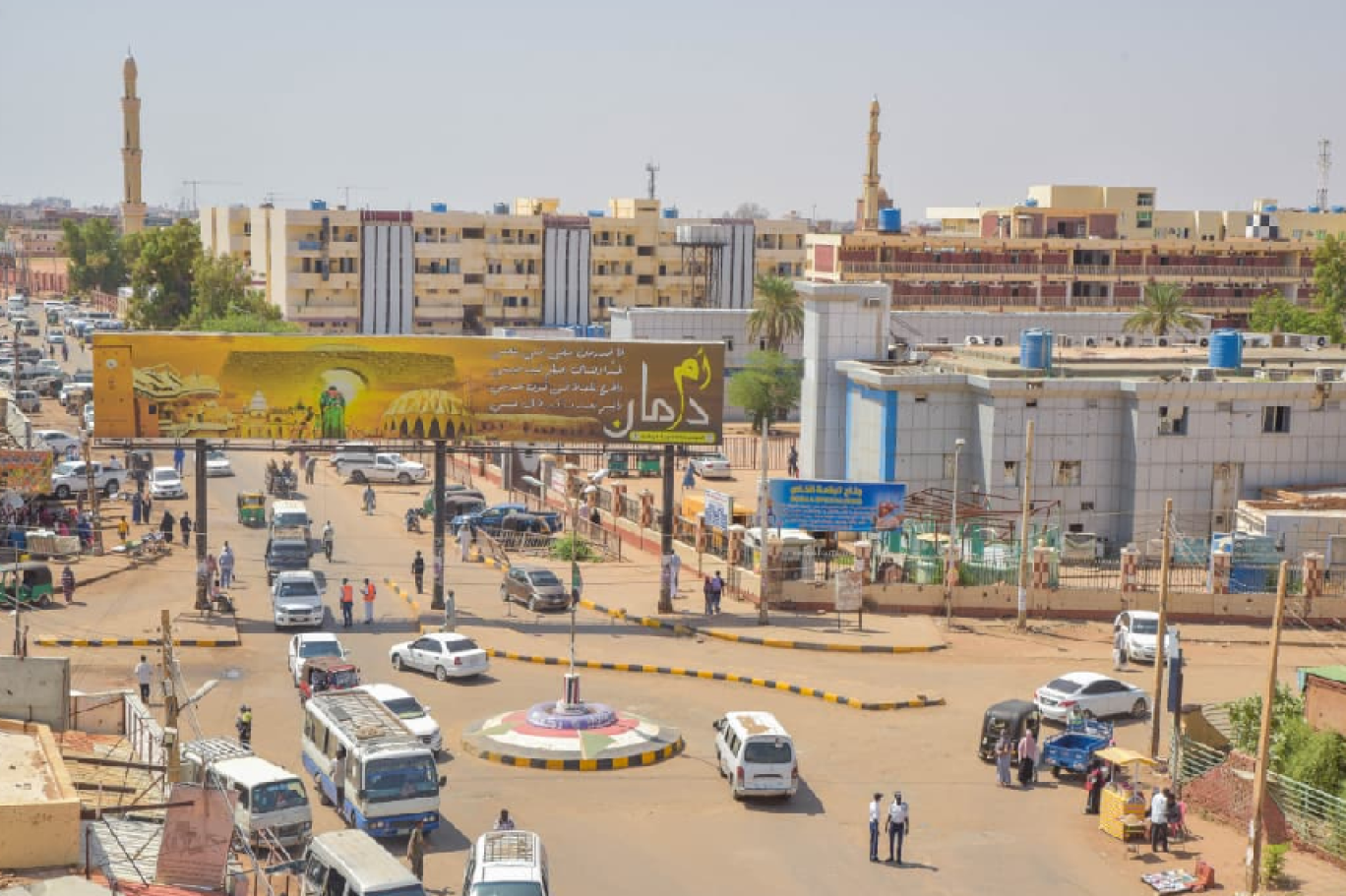
To Al-Jereif West
As you exit the airport, representatives from limousine companies approach you, offering transport. I chose one and was taken to their office in the parking lot. When I told the employee my destination—Al-Jereif West, Block 4—she checked her tablet and quoted a fare: “Eighty thousand.”
I wondered if she had misheard me and clarified that I meant Al-Jereif on the western bank, not the eastern. She confirmed she had understood correctly. A long negotiation followed—she citing fuel prices and drivers’ demands, and I appealing to my emotional state as someone returning after three years of forced absence, eager to see my home without delay.
Eventually, after consulting her colleagues, they reduced the price. I thanked them sincerely and set off, thinking to myself: This kind of human consideration only happens in Sudan.
Back Home
The eastern districts of Khartoum—Riyadh and Taif—through which I passed on my way to Al-Jereif West, looked like a patient in recovery: visibly exhausted, slowly regaining strength. Traffic was sparse, both vehicles and pedestrians. Occasionally, a building materials shop would be open, or a vegetable stall, a tyre repair shop, or a bakery—but with few customers.
Yet once you cross Sixty Street heading east, the picture changes. In Al-Jereif, the streets are alive. Most residents never left. The committee led by Ibrahim Jaber fulfilled its promises, replacing damaged electrical transformers with new ones, prioritising populated areas.
In late April 2023, I left my home with my family for northern Omdurman—specifically Al-Islanj Island—expecting to return within days, like many Khartoum residents. But that journey stretched into three years. Today, I return at last, after it became possible thanks to the immense sacrifices of the Sudanese Armed Forces, the fighters, and supporting forces of all kinds—whose efforts led to victory and the expulsion of the militia from Khartoum State a year ago.
Without those sacrifices, I would not be here today—telling this story from my own home.
Shortlink: https://sudanhorizon.com/?p=13391