

Sudan Between Relief and Development (3): Small Recovery… The Big Solution to Sudan’s Crisis
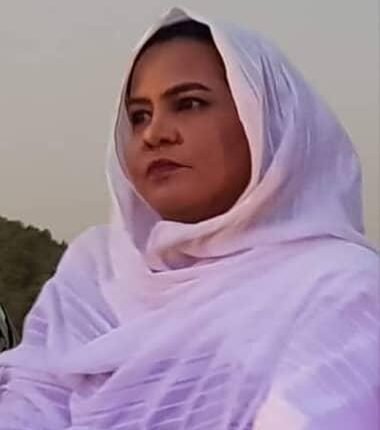
Omaima Abdullah
Over ten years of moving between conflict zones, I have come to a firm conviction: Sudan, despite its abundant resources, is a country where people live in poverty—yet, even in that poverty, they are capable of coexistence. They possess a remarkable resilience that allows them to adapt and patiently wait for the realisation of their dream of stability.
I carry with me unforgettable images: the faces of families and individuals I met along their journeys of displacement; the tents whose daily realities I shared; stories of sorrow that began with war and have yet to end. Humanitarian work has allowed me to see Sudan from within—not as numbers or statistics, but as a living reality shaped by loss, poverty, and displacement.
Sudan is not unique in this regard. Its story mirrors that of many nations that have walked the same difficult path—countries that eventually emerged because they learned how to begin again: from the ground up, from the people themselves, through long but productive processes of recovery. Nations that endured internal wars and large-scale displacement succeeded because they managed their crises effectively—starting at the grassroots level, supporting their citizens, and enabling their return to their original homes.
Although we are still living through war, something has begun to change. In some towns once abandoned, Sudanese people are returning home. The desire to return remains strong—not because the war has ended, but because the place itself no longer feels threatening.
Reclaiming homes is not merely about rebuilding structures; it is about restoring a sense of safety and reassurance. People are beginning to rebuild their former lives through small-scale activities and the revival of simple, meaningful routines: sitting outside their homes in the afternoon, reopening small neighbourhood shops, and children returning to play football in open spaces. The ordinary rhythms of life are re-emerging—because, above all, a person needs a home and a sense of stability.
Yet despite these returns, reality remains fragile. Small businesses are still vulnerable, the آثار of war persist, and displacement camps remain on the outskirts of cities. These individual attempts at stability place a responsibility on the state: to protect them from collapse and transform them into a broader pathway for rebuilding society. The question is: how can these small beginnings be protected?
The ongoing discussions about large-scale reconstruction plans, major projects, and long-term strategies will not, in themselves, restore life or protect society at this stage. Nor do they offer an immediate solution to current realities. What the state urgently needs now are small beginnings—initiatives capable of reviving local economies and reopening homes.
This is where the idea of small-scale economic recovery becomes essential—not as a theoretical concept, but as a practical necessity. People cannot wait for large plans delayed by political instability or massive projects that take years to complete. They do not have the luxury of waiting—they need to return, now.
The small neighbourhood shops that have reopened, the blacksmith workshops, limited farming, poultry rearing, and small restaurants—these are not trivial details. They represent the real starting point: the nucleus of a living economy and vital local movement. If supported by the state, they can grow and endure.
Support must take the form of enabling measures: simplifying licensing procedures, protecting markets from collapse, and backing community initiatives. Treating small businesses merely as new sources of state revenue suffocates them rather than allowing them to grow. The state’s role is to protect and empower these enterprises.
Reviving these small-scale activities restores daily income to ordinary people in neighbourhoods, villages, and local markets. This is the true beginning of economic recovery—a modest recovery, but one capable of restarting life itself.
After the genocide, Rwanda rebuilt its shattered society through small household enterprises and cooperatives, generating quick income for families and laying the foundation for larger growth. Similarly, Uganda relied on livestock rearing, small-scale agriculture, microfinance, and local trade—simple economic activities that gradually restored stability.
Experiences from countries such as Rwanda, Bosnia, and Sierra Leone demonstrate that recovery does not necessarily begin with grand projects. What they shared was a common starting point: small activities that restored income and paved the way for development.
In Sudan, we need to ensure a minimum level of institutional stability to protect and support these economic activities, so that these early efforts succeed and community initiatives continue. This is a step forward—restoring people’s ability to earn, which is the foundation for rebuilding the future, rather than dependence on relief, which provides only temporary survival through food and shelter.
The real challenge we face today is not the people’s ability to return—it is the absence of an enabling environment that allows that return to become lasting stability.
Shortlink: https://sudanhorizon.com/?p=13190