

The Geography of the Parallel Economy and the Banking Confidence Crisis
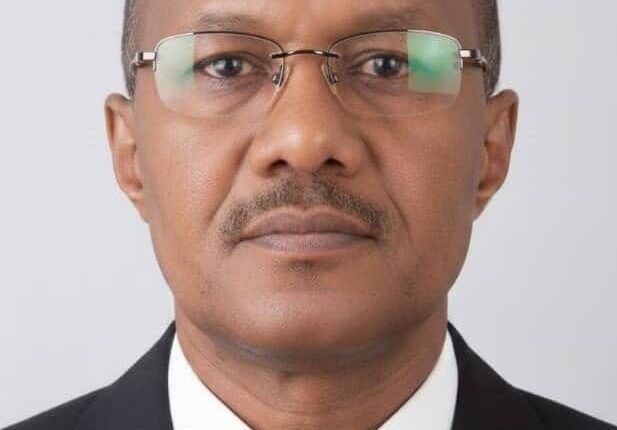
Dr Mohamed Awad Mohamed Metwally
At its core, Sudan’s national economic crisis remains a crisis of resource management and mobilisation rather than one of an absolute shortage of wealth. A widely repeated observation in economic and analytical circles carries considerable weight: Sudanese society does not suffer from a comprehensive shortage of money or an inability to generate wealth; rather, it suffers from the expansion of the parallel economy and the accumulation of large volumes of cash outside the state’s formal financial channels.
The country’s real structural problem does not lie in the absence of capital, but in the way capital circulates—and more importantly, in the fact that it is held outside the banking system. Vast quantities of domestic currency, foreign exchange, and physical gold are concentrated in the hands of networks, individuals, and business groups that conduct their commercial activities entirely beyond the formal banking sector. As a result, the broader economy is deprived of the financing and liquidity needed to support productive investment and economic expansion.
Traditional financial practices have cast a long shadow over the national economy. The phenomenon of “household hoarding” has become deeply entrenched, with citizens and traders alike reluctant to deposit their savings in banks. This pattern of behaviour cannot be understood without recognising the historical and operational factors that have reinforced it over decades. Chief among these are cumbersome bureaucratic banking procedures, the constant fear of sudden restrictions on withdrawals and deposits, and the poor investment returns on savings, which are steadily eroded by accelerating inflation and the declining purchasing power of the national currency.
Collectively, these factors have transformed private safes, homes, and commercial premises into alternative financial repositories, offering holders of wealth a sense of complete control and immediate access to their liquidity for meeting urgent obligations. However, this practice often overlooks the significant risks it poses, both to individuals and to the wider economy, by undermining monetary stability and weakening the country’s financial system.
The consequences of the recent war and armed conflict provided a harsh and tragic lesson regarding the dangers of physically hoarding wealth. Cash, savings, and valuables stored in homes and shops across Khartoum and several other states were looted, destroyed, or permanently lost. These catastrophic losses could largely have been avoided had those assets been held as secure digital assets or in protected bank accounts within the formal payment system.
Despite the profound shock that these events inflicted on public consciousness, the exceptional measures adopted by the authorities—including the partial currency replacement programme—have not succeeded in fully redirecting the enormous volume of cash into the banking system. Commercial activity and the movement of goods between different regions of the country continued, albeit under wartime conditions. Moreover, the uneven implementation and limited geographical coverage of the currency exchange process in certain states and uncontrolled areas created opportunities for the informal economy to adapt, circumvent precautionary measures, and exploit gaps in the financial system.
Addressing the deep-rooted crisis of confidence between citizens and banks requires a decisive confrontation with the shortcomings of banking performance and a comprehensive reassessment of prevailing monetary policies. Fear of depositing money is no longer merely a psychological perception or a temporary behavioural tendency; it is the product of years of difficult experience during which depositors endured slow banking procedures, unreliable communications and electronic payment networks, and the inability to access their own funds when they were most urgently needed.
Restoring this missing link and revitalising the banking sector requires tackling the institutional weaknesses that have fostered this mistrust. The banking environment must be rebuilt so that it once again becomes a secure, efficient, and attractive option—one that offers simplicity, flexibility, and tangible financial incentives for citizens to transfer their money from locked safes into the productive circulation of the national economy.
Drying up the sources of the parallel cash economy and closing informal financial channels cannot be achieved through administrative decrees or routine security measures alone. It requires a qualitative transformation capable of absorbing these hoarded funds through innovative investment instruments and a comprehensive digital transition.
This places Sudanese banks, the Ministry of Digital Transformation, and the Central Bank of Sudan before a genuine test. They must redefine their institutional roles, move beyond traditional banking practices, and develop innovative financial products and services capable of attracting savings back into the formal financial system. These proposals and practical solutions will be explored in greater detail in the next article.
Shortlink: https://sudanhorizon.com/?p=16773