

Sudanese Government and UNICEF Warn of Deteriorating Health Conditions
Sudanhorizon – Agencies
The Sudanese government and the United Nations Children’s Fund (UNICEF) have warned of a worsening malnutrition crisis among children in Sudan, as the war enters its fourth year. They emphasized that the expanding conflict and the lack of access to food and health services are pushing millions of children into danger, amidst a humanitarian funding shortage that fails to meet the growing needs.
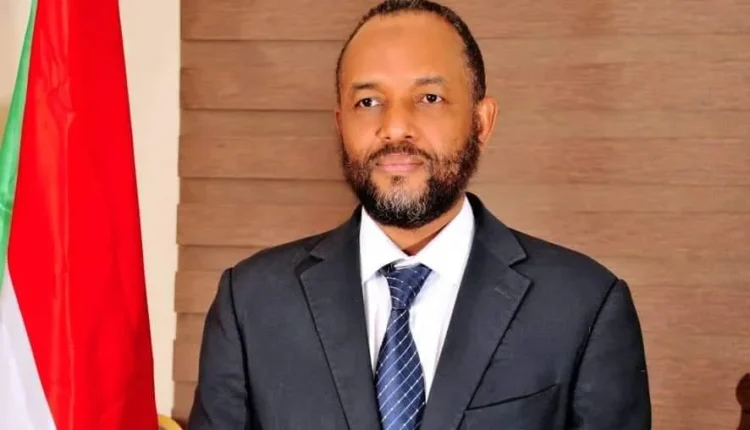
Sudanese Health Minister, Haitham Mohamed Ibrahim, told Al Jazeera TV from Washington that malnutrition among children is one of the most serious health consequences of the war. He noted that the impact of the conflict on the health system varies from one state to another. While the northern and eastern states are enjoying a degree of stability, they still bear the burden of hosting large numbers of IDPs. Meanwhile, the Darfur and Kordofan states continue to suffer extremely difficult humanitarian and health conditions due to the ongoing fighting.
The Minister explained that healthcare workers in conflict zones work under extremely complex conditions, and that providing health services is a very difficult task. He noted that studies conducted by the Ministry of Health in collaboration with international partners indicate that the rate of acute malnutrition among children has reached approximately 15% nationally, while it rises to about 30% in some areas of Darfur and Kordofan.
Haitham Mohamed Ibrahim emphasized that the crisis is not due to a shortage of food in Sudan, but rather to the difficulty people encounter in accessing food supplies as a result of the blockade and the closure of supply routes. He pointed out that areas such as El Fasher and parts of Kordofan have experienced restrictions that have prevented families from accessing food, which has led to increased malnutrition rates.
The Minister revealed that his current visit to the United States aims to discuss two main issues with UN agencies, international organizations, and donor countries:
The first is increasing funding allocated to the health sector, as current resources cover less than a third of the needs, at a time when approximately 30 million Sudanese require humanitarian and health assistance, including about nine million children.
The second focus is on ensuring the delivery of health services to populations in war-affected areas, particularly in Darfur and Kordofan, by strengthening coordination with UN agencies and humanitarian organizations to open safe corridors that allow medical and humanitarian aid to reach civilians.
The Minister of Health described the international conference he attended in the United States as one of the most successful conferences supporting the Sudanese health sector, noting that the pledges, totaling approximately $150 million, stemmed from the donors’ conviction in the Sudanese health system’s ability to continue providing services despite the exceptional circumstances the country is experiencing.
The Minister explained that the announced support includes funding for projects in the areas of health, nutrition, water, and basic health determinants in various Sudanese states, including Darfur and Kordofan.
He also mentioned the establishment of monitoring and coordination mechanisms to ensure the implementation of these projects in cooperation with international organizations and supporting entities.
For his part, UNICEF Representative in Sudan, Sheldon Yett, told Al Jazeera that malnutrition rates among children have risen sharply since the outbreak of the war. He stressed that the current crisis is not caused by drought or climate change, but rather by the ongoing conflict and its resulting collapse of markets, disruption of supply chains, and families’ inability to access food.
Yeat noted that the highest rates of malnutrition are recorded in the areas most affected by the fighting, particularly Darfur, North Darfur, and the Kordofan regions, where cases of acute malnutrition are increasing as military operations continue.
UNICEF representative warned that the organization, like other humanitarian agencies, is facing increasing difficulty in meeting needs due to limited funding. He explained that the organization has received only a quarter of the required funding, which forces it to make “painful choices” and prevents aid from reaching all children in need, despite the crisis expanding daily.
Shortlink: https://sudanhorizon.com/?p=15818