

A Decision Worth Its Weight in Gold
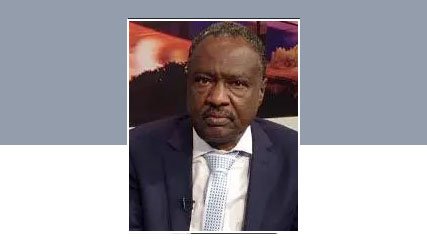
Rashid Abdelrahim
The decision issued by the Central Bank of Sudan requiring fuel import companies to deposit a guarantee of 200 kilograms of 21-carat gold in exchange for an import licence and a certificate of no objection is, without doubt, a historic one—a decision that is quite literally made of gold.
This single measure has the potential to address three of the country’s most pressing economic challenges at once: the currency crisis, fuel supply problems, and the trade and smuggling of gold, all of which intensified after the national gold refinery ceased operations due to the war.
The Central Bank’s approach goes beyond securing control over essential commodities. It also tackles a far more complex issue: the flow of Sudan’s gold resources into countries accused of supporting and financing the rebellion. In effect, wealth that should have been used to improve the lives of Sudanese citizens has instead been transformed into a source of destruction, financing the purchase of weapons, the recruitment of foreign mercenaries, and the mobilisation of tribal fighters.
Bringing these strategic commodities under effective control also entails greater control over the foreign exchange market, regulating import financing, and directing national resources towards goods that serve the state’s priorities. It allows imports to be limited to essential items while concentrating resources on supporting production and critical public services such as healthcare, education and other vital sectors.
What is remarkable is that such a decision—one that was both possible to formulate and practical to implement—was delayed for so long, during a period in which the Sudanese people have endured a war financed, in part, by Sudanese gold, alongside deteriorating public services and declining production caused by shortages of essential inputs, foremost among them electricity. The lack of reliable power has brought considerable hardship, contributed to the spread of disease, disrupted education, and hindered industrial and agricultural activity.
The obvious question is whether this represents a belated recognition of urgent national priorities or whether it reflects complacency and negligence on the part of the state and government in fulfilling their obligations to serve the people.
The Sudanese people have endured war with remarkable patience. They have also endured weak government performance and the absence of representative institutions capable of safeguarding rights, ensuring public accountability and guaranteeing that government action is directed towards serving citizens in a manner worthy of their resilience and consistent with what the Sudanese people deserve.
Shortlink: https://sudanhorizon.com/?p=15178