

UN and Switzerland Host Discussions Seeking to Unify Sudan Peace Initiatives
Geneva – Sudanhorizon
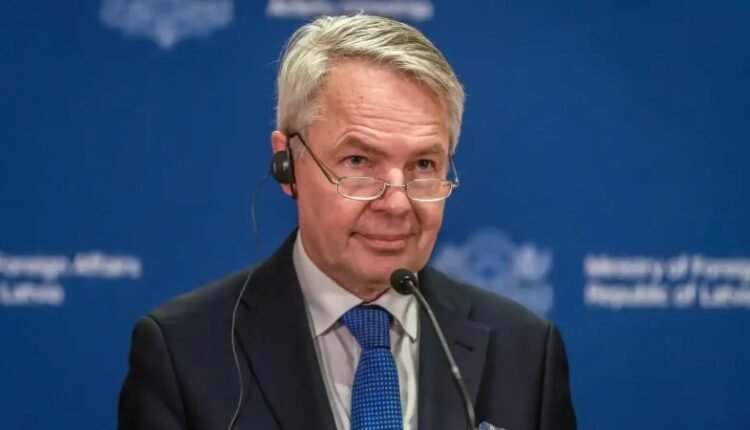
In Geneva, Switzerland, a group of regional and international organizations—along with several nations that had previously proposed initiatives to end the war in Sudan—met the day on Wednesday to discuss ways to coordinate and integrate these efforts toward achieving peace in Sudan. The meetings were co-chaired by the UN Secretary-General’s Special Envoy for Sudan, Pekka Haavisto, and the Swiss government.
According to a statement issued in Switzerland on October 21, the meetings aimed to “enhance the complementarity of peace initiatives and ensure they are mutually reinforcing.” Participants expressed “grave concern over the unabated armed conflict,” citing reports of atrocities and an escalating use of drones, which have caused immense civilian suffering and exacerbated the humanitarian crisis.
The participants emphasized that the ongoing fighting, restrictions on humanitarian access, and climate-related shocks—such as drought conditions and delayed rainfall—are heightening the risk of famine. They stressed that “the war must end so that the Sudanese people can live in safety and gain access to the relief and aid they urgently require.”
Furthermore, the participants reaffirmed their commitment to the sovereignty, unity, and territorial integrity of Sudan, as well as the preservation of its state institutions. They rejected the establishment of any parallel governments, institutions, or governance structures, and opposed any actions that would undermine Sudan’s unity. They called for concrete measures to uphold these fundamental principles and to refrain from any action that could lead to the division of the country or exacerbate the regional repercussions of the conflict.
The participants affirmed their consensus that there is no military solution to this war. They urged foreign states and non-state actors to desist from fueling the conflict—specifically by employing mercenaries, supplying military equipment (notably drones, which have proven highly lethal to civilians across the country), and providing financial support that could contribute to the country’s fragmentation.
The participants expressed their support for the “Quint” (the five-member group) in its efforts to facilitate dialogue.
They further warned of the growing risk that the conflict could spill over into the wider region, emphasizing that the consequences of such an escalation would be catastrophic and difficult to reverse.
The statement underscored that the priorities, as viewed by the hosts, are clear: the parties to the conflict must engage in the process and make tangible progress toward de-escalation, the protection of civilians, the facilitation of humanitarian aid to those in need, the preservation of Sudan’s unity, and support for a credible, civilian-led political process that is owned and driven by the Sudanese people.
Shortlink: https://sudanhorizon.com/?p=19343