

Does Sudan Need an Alfa?
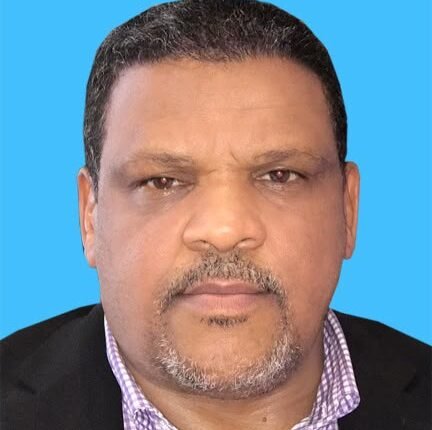
Adil Al-Rifai Abulhassan
In our primary schools, we knew the alfa—the pupil entrusted with maintaining classroom discipline, keeping the class quiet, and preventing rowdiness and disorder. He recorded attendance and absences, wrote down the names of disruptive pupils to report to the class teacher, and, if the teacher was absent from a lesson, took charge of keeping the class under control so that things did not descend into chaos.
His duties did not end with the school day. They could extend into the study period, whether in the afternoon or evening. During these sessions, he became even more vigilant about maintaining order, ensuring that every pupil made good use of their time for learning, revision and homework. He would also check in advance that lighting was available. If an electricity problem arose, he would contact the teacher on duty or the supervisor to resolve it before the session began, ensuring the pupils found the room ready and could concentrate on what they had come to do.
The alfa was a pupil among his peers, yet he took his responsibilities seriously and conscientiously, fulfilling his role despite his young age and limited experience. He did not wait for problems to escalate before taking action. Instead, he took the initiative, identified shortcomings, sought solutions and helped his classmates create suitable conditions for their studies. He felt a sense of responsibility and acted accordingly, not because someone was watching his every move, but because he understood that being entrusted with a duty meant carrying it out without delay or negligence.
In our country, exhausted by war and facing mounting civilian suffering, the overall situation sometimes resembles a classroom whose teacher has disappeared, where voices are raised, priorities have become confused, and disorder prevails. Crises continue to accumulate while citizens wait for the most basic necessities of life: security, food, water, electricity, medical care, and the means to move around and travel.
Herein lies the paradox: who is to be Sudan’s alfa if not the Prime Minister, given his position at the head of the executive branch? Is it not central to his responsibilities to monitor the performance of state institutions, ensure every body fulfils its duties, and prevent the country’s affairs from being left to confusion and the unchecked accumulation of problems?
We do not need miracles or announcements of grand projects whose immediate benefits citizens cannot see or feel. What we need is an administration that prioritises matters that cannot wait and follows through on implementation on the ground, rather than relying solely on reports and statements.
Protecting citizens begins with establishing security and strengthening the role of the police, ensuring the uninterrupted flow of goods and transport services, maintaining electricity stations and water networks, providing spare parts, supporting hospitals and health centres, and keeping schools operating regularly whenever circumstances permit. Resources may not be sufficient for everything, but managing them wisely and directing them toward essential needs is no less important than securing them.
Let us remember that the alfa did not wait for chaos to take over before acting, nor did he wait until the study period was over to discover that the lights were out. He anticipated problems and took the initiative to address them before they disrupted what the pupils had come to do. If this is what we expect of a young pupil in a school classroom, should we not expect at least as much from a Prime Minister leading the executive branch of an entire country?
Citizens do not measure the state’s performance by the number of official statements it issues, but by what they experience in their daily lives: security, public services, and the ability to make ends meet. In times of war and hardship, administrative competence, rapid response and a willingness to accept responsibility become more urgent than ever.
So, Prime Minister, we are not asking you to perform miracles. We ask you to set the pace of government work, monitor officials’ performance, and put people’s needs at the top of the priority list. No matter how severe its crises become, the state must never lose sight of its responsibility to care for its citizens.
Perhaps the Sudanese people, and God knows best, are no longer asking for the impossible. All they want is someone who accepts responsibility, takes the initiative to find solutions, and manages the country’s affairs conscientiously and seriously. If miracles are beyond reach, then the Prime Minister should, at the very least, perform the role of the alfa: keep the classroom in order, ensure the lights stay on, and make certain pupils have what they need to continue their studies.
How desperately Sudan needs an alfa who can maintain calm, regulate the rhythm of daily life, ensure things run smoothly and public services keep flowing, and who won’t leave his post until he is satisfied everything is working as it should!
Returning to the Alfa
The alfa did not stand alone. Behind him was a teacher to guide him, a headteacher to lead, a ministry to provide oversight, an educational curriculum to shape character, and a family to take an interest in the pupils and instil values.
Have we lost only the alpha, or have we also lost part of the system that used to produce and support him?
Shortlink: https://sudanhorizon.com/?p=19188