

Where Do Forgiveness and Justice Stand in the Upcoming Sudanese Dialogue?
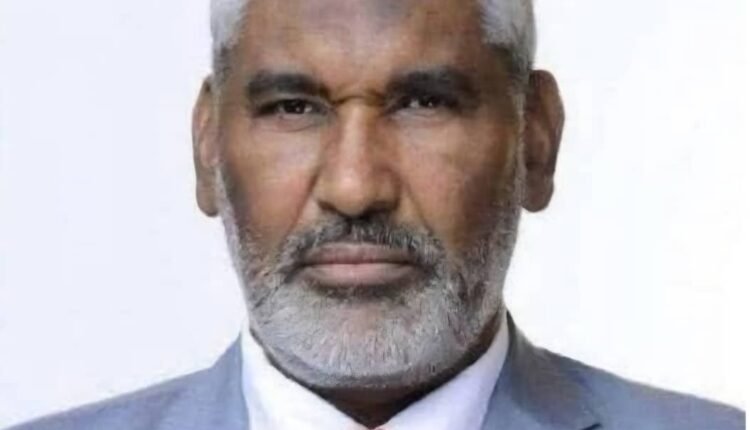
Abu Ubaidah Ahmed Ali
There is perhaps nothing more difficult for nations exhausted by war than having to choose between forgiveness and justice, as though the two were mutually exclusive. And nothing is more dangerous to the future of a country than raising the banner of reconciliation before the truth is known, or opening the doors of dialogue before knocking on the doors of justice.
Sudan today stands at one of the most dangerous crossroads in its modern history. A war has bloodied the country, torn apart its social fabric, claimed lives, destroyed property and institutions, and forced millions of Sudanese people onto the paths of displacement, exile and destitution.
Amid all the talk of peace, dialogue and settlement, one question remains—one that no one can bury beneath an avalanche of words: Where are the rights of the victims? And who will be held accountable for Sudanese blood?
I believe that Sudan cannot live forever in a cycle of revenge, that the homeland is too great to be surrendered to the hatreds of war, and that national reconciliation is an indispensable necessity. But I believe equally that reconciliation which does not pass through truth and justice is not reconciliation at all; it is merely a temporary truce between wounds that have not healed.
Forgiveness is an authentic Sudanese value. One of the defining qualities of this people is that, despite the severity of adversity, they have tended more towards pardon than revenge, and towards bringing people together rather than tearing them apart. But forgiveness does not mean telling a mother who has lost her son: Forget. Nor does it mean telling a child displaced from his home: Move on from what happened. Nor does it mean telling someone whose property has been looted and whose life has been destroyed: The country needs reconciliation, so forgive before you even know who did this to you. Nor does it mean telling survivors of violations that speaking about their rights obstructs peace.
No. Forgiveness is the victim’s choice; it is not a privilege that politicians may grant themselves. Genuine forgiveness does not erase the truth; rather, it prevents the truth from becoming fuel for another cycle of revenge.
Since the outbreak of the war on 15 April 2023, Sudan has suffered enormous human and material losses, and multiple parties have been accused of serious acts and violations against civilians and civilian infrastructure. Here, we must be clear: we are not calling for revenge; we are calling for justice. Revenge is governed by emotion and may punish the innocent for the crimes of the guilty. Justice, by contrast, is governed by evidence and the law; it distinguishes between those who committed crimes and those who did not.
For this reason, Sudan needs national, professional and independent justice—not political trials, not lists of revenge, and not collective immunity. If we want a country with room for everyone, we must establish a justice system capable of distinguishing the guilty from the innocent and holding individuals accountable for their own actions, not for their tribe, region, or political affiliation. Justice is not the opposite of forgiveness; rather, it is the path that makes forgiveness genuine and sustainable.
Sudan therefore needs truth to be established, justice to be served, and then reconciliation to bring its people together once again. There can be no peace that buries the truth, and no forgiveness that abolishes justice.
Shortlink: https://sudanhorizon.com/?p=17220