

Religious Affairs Undersecretary Urges Media to Refer Fatwa Matters to the Islamic Fiqh Council
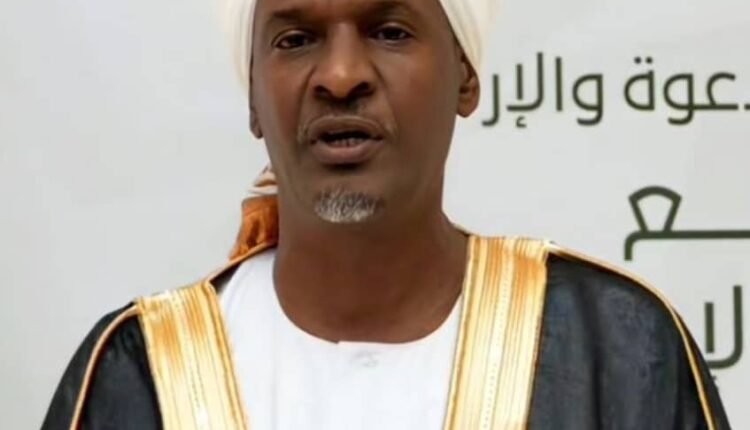
Khartoum – Sudanhorizon
Sudan’s Undersecretary of the Ministry of Religious Affairs and Endowments, Dr. Osama Hassan Al-Bathani, has called on all media outlets and platforms covering religious affairs to limit the hosting of muftis to qualified scholars from the Islamic Fiqh Council who are recognized for their expertise in Islamic jurisprudence and the issuance of fatwas. He stressed that issuing fatwas is a specialized discipline governed by established principles and entrusted only to qualified scholars, not to everyone engaged in preaching or delivering sermons.
In a statement carried by the Sudan News Agency (SUNA) on Friday, Al-Bathani said there is a clear distinction between a preacher, a sermon-giver, a jurist, a religious guide, and a mufti, with each serving a specific role and area of expertise. He compared this to other fields of knowledge, noting that scientific opinions in medicine, engineering, astronomy, and other disciplines are accepted only when issued by qualified specialists.
Al-Bathani emphasized the need to review the way fatwas are presented through the media and online religious platforms. He urged both public and private media institutions to adhere to this approach in order to safeguard the integrity of religious discourse, preserve the status of fatwas, and prevent confusion among the public.
Commenting on a fatwa discussed during a television program on Thursday evening, Al-Bathani said that a preacher had responded to a question concerning a man who physically abuses his wife over trivial matters and ruled that the man had become an apostate and was no longer a Muslim. He said the fatwa itself required no further comment as much as it highlighted the importance of recognizing the proper authority responsible for issuing religious rulings.
He added that the official religious authority for issuing fatwas in Sudan is the Islamic Fiqh Council, whose members are respected scholars and jurists known for their knowledge, integrity, and competence, and who enjoy the confidence of the public in religious and jurisprudential matters.
Shortlink: https://sudanhorizon.com/?p=16016