

Sudan: From a Revenue-Extraction Budget to a Production-Based Budget
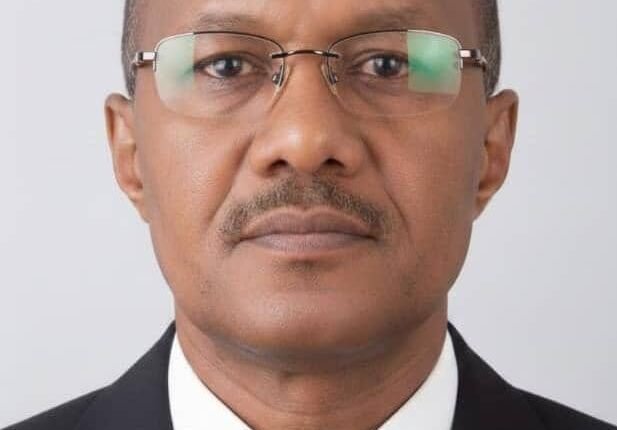
Dr Mohammed Awad Mohammed Metwally
Sudan’s economy today is awakening to a harsh structural reality—one that admits no ambiguity and tolerates no half-measures. The administrative model that has prevailed for decades, rooted in a “philosophy of scarcity” and a doctrine of “revenue extraction”, has reached its limits. It has left behind a crippled budget that seeks stability from the exhausted pockets of citizens, while chasing the rise of the customs dollar in a futile race towards the abyss.
What Sudan is experiencing at this historic juncture is not merely a temporary fiscal deficit or a passing imbalance in the trade account. It is a deep structural disconnect between extraordinarily rich resources and ineffective monetary and fiscal policies. This makes the “science of alternatives” an existential necessity rather than an academic luxury—shifting from a mindset of “closing deficits through taxation” to one of “creating surpluses through sovereign national production”, placing citizens’ dignity above sterile financial considerations.
The economic independence we seek—central to this strategic vision—begins with redefining the state’s functional identity and its financial institutions. The Ministry of Finance must transform from a mere collector of fees and overseer of current expenditure into an architect of economic revival and a leader of comprehensive structural transformation. This requires imposing strict legal authority over all public funds without exception and dismantling the system of “off-budget accounts” that has turned state institutions, universities, and public companies into isolated financial islands that drain national liquidity beyond central oversight.
Integrating these budgets into a Treasury Single Account would restore lost fiscal sovereignty and provide a substantial liquidity base, sparing the state from the grave error of deficit financing and money printing—practices that erode purchasing power, fuel runaway inflation, and effectively take bread from the mouths of the poor.
At the heart of this approach lies gold—not as a speculative commodity or a vehicle for smuggling in the hands of vested interests, but as a strategic monetary anchor and a final safeguard for the value of the Sudanese pound. This requires a bold sovereign decision to grant the state full control over gold purchasing and exports at competitive global prices, transforming it from a “black hole” of resource leakage into a formal lifeline that stabilises the foreign exchange market and finances essential imports such as medicine and fuel. Such a policy would mitigate the effects of foreign currency dependency and curb the pervasive “dollarisation” affecting both the economy and society.
This path is inseparable from a revolution in the philosophy of import substitution, aimed at breaking the structural link between consumption and imports. By operationalising the “science of alternatives” in sectors such as oils, sugar, and grains, and redirecting financial incentives from import-driven consumption to domestic production inputs—while implementing smart tariff protection—Sudan can shield local industries from dumping and allow national producers to thrive within their own market.
A careful reading of Sudan’s macroeconomic trends confirms that a “free float” exchange rate in the absence of structural prerequisites amounts to a declared act of monetary suicide, borne by ordinary citizens. The viable alternative lies in a managed exchange rate, supported by gold reserves and strategic commodities, alongside rebuilding market confidence. Exchange rate stability cannot be imposed administratively—it must be underpinned by a robust production base that enhances the value of exports. It is illogical for Sudan to remain an exporter of raw materials—such as gum arabic, sesame, and live livestock—only to import them later as processed goods at significantly higher prices.
Prohibiting raw exports and initiating an era of value-added industrialisation is the only path to achieving a sustainable trade surplus. This requires innovative, non-inflationary financing instruments, such as investment sukuk (Islamic bonds), which can mobilise savings from citizens and the diaspora, making them partners in national energy and agricultural projects rather than passive observers of declining purchasing power.
Since Sudan’s economic crisis is fundamentally a governance crisis, reforming the state’s administrative structure is the backbone of this transformation. The state must shift from a model of “coercive revenue extraction” to one of “participatory financing and results”. The budget itself must evolve from a rigid line-item system based on historical expenditure to a programme- and performance-based budget, linking every public pound to measurable social and economic outcomes.
This reform demands comprehensive and radical governance, including bringing the civilian operations of companies affiliated with security and military institutions under the authority of the Ministry of Finance—not for confiscation, but as a matter of competitive fairness, to ensure equal opportunity and strengthen public revenues. Expanding the tax base horizontally to include the informal sector through smart integration incentives is the only sustainable way to reduce the burden on the formal sector and compliant citizens, paving the way for genuine social stability rooted in transparency and accountability.
In conclusion, this strategic vision is not merely a collection of figures or abstract theories—it is a manifesto for national dignity. Sudan does not suffer from a scarcity of resources, but from a scarcity of will in managing them. The roadmap for peace and sustainable growth we propose links conflict resolution with a comprehensive agricultural and livestock renaissance—transforming Sudan into a genuine global breadbasket, not just a rhetorical slogan.
Transitioning to a production-based budget represents a new social contract—one that makes the citizen a partner in surplus rather than a victim of deficit. It turns the “science of alternatives” into a national culture.
Today, Sudan needs a firm sovereign will—one that dares to pursue structural transformation and can declare to both its people and the world that it holds the reins of its economic destiny. The dawn of production must now replace the long night of extraction and dependency. For economics is the art of the possible—and the only alternative to failure today is success grounded in sovereignty, justice, and knowledge.
Shortlink: https://sudanhorizon.com/?p=13200