

When Islam Threatened Power: Abu Sufyan, Heraclius, and What We Still Refuse to Surrender
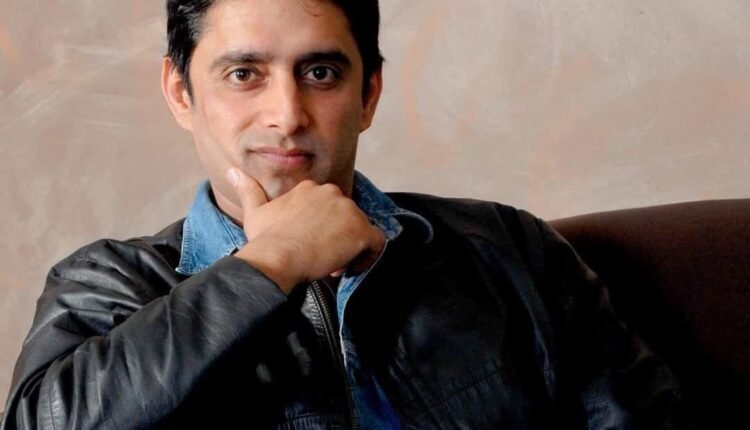
By: Salim Mohamed Badat **
The chamber was heavy with authority. Marble and gold framed a throne that ruled half the known world, and before it stood a man whose power came from bloodline, tribe, and inherited dominance.
He was Abu Sufyan, chief of Quraysh, and the most formidable enemy of the man whose name now unsettled emperors: Muhammad (saw).
The ruler who summoned him was Heraclius, Emperor of Byzantium. A Christian steeped in scripture and prophecy, he had received a letter from Arabia calling him to worship one God alone. Wanting to test the claim, he ordered that Arab merchants in his lands be brought before him. Circumstance, and divine irony, placed Abu Sufyan at the front.
Heraclius was careful. He warned Abu Sufyan’s companions to expose any lie. Abu Sufyan later confessed that the only thing that stopped him from lying was fear of disgrace. And so, against his will, he spoke the truth.
Heraclius asked about Muhammad’s (saw) lineage. Abu Sufyan answered that he was noble. Heraclius nodded, messengers always came from respected families.
He asked whether any of Muhammad’s (saw) forefathers had been kings. Abu Sufyan said no. Heraclius replied that had this been the case, he might have suspected a man seeking to reclaim a lost throne rather than deliver revelation.
He asked whether Muhammad (saw) had ever lied before claiming prophethood. Abu Sufyan answered no. Heraclius responded with quiet certainty: a man who does not lie to people will not lie about God.
Then came the deeper questions. Who followed him? The weak, the poor, those without power. Do they increase? Yes. Do any abandon the faith after entering it? No.
When Heraclius finally asked what Muhammad (saw) commanded, Abu Sufyan summarized the message plainly: to worship Allah alone, abandon the gods of their fathers, establish prayer, speak truthfully, remain chaste, and uphold family ties.
Nothing irrational. Nothing violent. Nothing chaotic.
Heraclius leaned back and said words that revealed his understanding more clearly than many believers ever would: If what you say is true, he will soon rule the land beneath my feet.
Then came the question that cut through every pretense. If Muhammad (saw) was truthful, noble, and consistent, why did Quraysh oppose him?
The answer did not need to be spoken. Abu Sufyan understood it fully.
Islam was not merely a change of belief, it was a collapse of the entire social order Quraysh stood upon. It meant no man could claim superiority by lineage. It meant no tribe could dominate another by inheritance. It meant no master could see himself as inherently above the slave. It meant no elite could cling to privilege while preaching submission to God.
Muhammad (saw) was calling toward a world where power bowed to truth, where status dissolved before righteousness, and where authority belonged to Allah alone.
These were the things Abu Sufyan feared losing: tribal supremacy, inherited command, social hierarchy, and the unchallenged distinction between master and servant. He was not confused about Islam. He understood it perfectly. That was precisely why he resisted it.
Years later, after battles, treaties, and broken alliances, the inevitable arrived. The Conquest of Mecca unfolded with almost no bloodshed. The idols fell. Quraysh’s power evaporated. The world Abu Sufyan had defended his entire life was gone in a single day.
Only then did Abu Sufyan accept Islam.
By that moment, there was nothing left to protect. His authority had ended, his dominance dissolved into a new moral order. Allah alone knows whether his acceptance was purely faith, or also a recognition that resistance was no longer possible, that embracing Islam was the only way to salvage himself in a world that had already moved on.
And it is here that the story turns its gaze toward us.Abu Sufyan did not reject Islam because he misunderstood it. He rejected it because he understood exactly what it demanded of him. The question that follows is uncomfortable but necessary: the things he could not let go of, are we still holding them?
Have we truly released the idea that one Muslim is superior to another by class, race, wealth, or lineage? Have we accepted, not just in words but in practice, that the master and the servant are equal ? Or have we entered Islam while quietly preserving the hierarchies of Jahiliyyah, the very structures Abu Sufyan clung to?
It is possible to accept Islam outwardly while guarding power inwardly. To pray like believers while thinking like Quraysh. To speak of brotherhood while living by privilege.
Heraclius recognized the truth and feared losing his empire. Abu Sufyan recognized the truth and feared losing his status.
Islam did not come to negotiate with either fear.
It came to strip false power of its authority and false superiority of its illusion. And the real test was never whether Abu Sufyan eventually accepted Islam, but whether those who came after him truly let go of the things that stopped him from accepting it sooner.
** Salim Mohamed Badat
Author exploring the intersection of faith , politics and justice.
Shortlink: https://sudanhorizon.com/?p=12385