

Responsibility After the Accident… Protecting the Rights of Orphans and Deterring Negligence
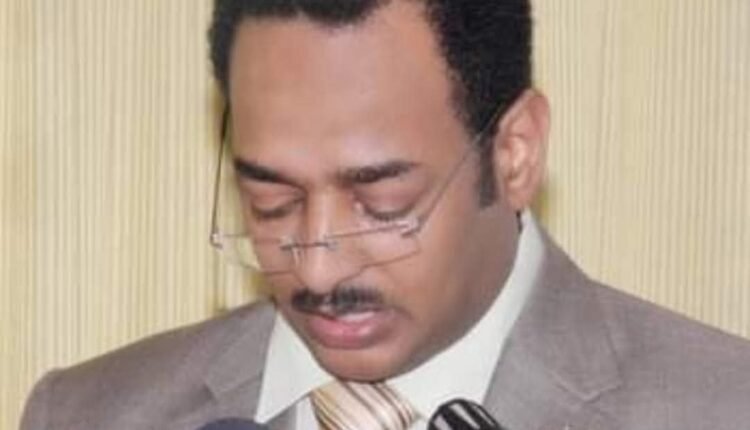
Dr Salah Da‘ak
Some countries have introduced legal provisions requiring individuals convicted in traffic accidents that result in the death of a parent or guardian—while driving under the influence of alcohol—to provide ongoing financial support to the children who lost their caregiver because of that negligence. These laws have already come into force in several jurisdictions as part of efforts to strengthen justice and protect the rights of affected children.
Under such legislation, a person convicted of manslaughter resulting from driving under the influence is obliged to pay financial compensation to the affected child until the child reaches the age of eighteen, or until they graduate from secondary school, whichever occurs later. The judge determines the amount of support based on what is considered reasonable and necessary to assist the child, taking into account several factors, including the child’s financial needs and the offender’s financial capacity.
Such legislation deserves serious consideration and study in our own country, given the role it could play in reducing negligence resulting from reckless driving or driving under the influence of alcohol and drugs. Limiting accountability in cases of unintentional killing to the payment of blood money (diya)—without requiring the responsible party to assume additional responsibilities towards the children who have lost a parent—has contributed to the worsening of many social problems and left deep scars on orphans and their families.
Moreover, the current value of diya applied in cases of accidental killing, when compared to compensation awarded internationally in similar cases, is significantly lower. In some instances, it does not exceed one-tenth of what is awarded in other legal systems. This disparity may inadvertently encourage carelessness and negligence, while also leading to the loss of rights for the children and families of victims.
Considering the introduction of such legislation—guided by the principles of preventing harm and providing fair redress—could strengthen social responsibility, safeguard the rights of the vulnerable, and serve as a real deterrent against those who treat human lives and public safety with disregard.
We pray that peace and stability prevail across Sudan, that the country is restored to security and tranquillity, prosperity and wellbeing, and that the entire Islamic nation may enjoy safety and peace.
Shortlink: https://sudanhorizon.com/?p=11961