

Prisoners and the Abducted: The Forgotten File
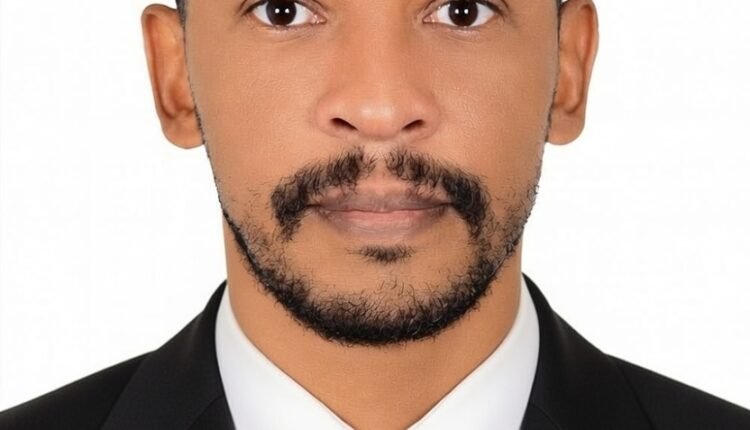
Dr Al-Haitham Al-Kindi Yousif
Amid the dust of battle and the thunder of artillery that has reduced Sudan to ruin, a silent humanitarian tragedy lies hidden behind the daily war reports and military communiqués. It is the file of prisoners and abductees held by the Rapid Support Forces (RSF) militia — a file that appears to have been dropped, or deliberately sidelined, from the agendas of international initiatives and regional mediation efforts, becoming a genuine and profound tragedy.
A clear distinction must be made between those detained by the militia. Not all of them are combatants captured on the battlefield. The majority — numbering in the thousands — are civilians abducted from their homes and from the streets of cities seized by the militia. Legally, they cannot be classified as prisoners of war; rather, they are victims of abduction and enforced disappearance, arrested from their homes and thrown into unlawful detention centres and makeshift prisons.
In conflicts across the world, the Red Crescent and Red Cross typically serve as bridges for prisoner exchanges or, at the very least, for verifying detainees’ conditions. In the Sudanese war, however, a pressing question arises: why has no genuine initiative yet emerged to facilitate prisoner exchanges?
Where is the international pressure compelling the militia to disclose the names and fate of those detained?
Why does this file appear forgotten — or conveniently overlooked — in negotiation agendas, while thousands of families remain suspended in anguish?
Testimonies from the few survivors who have emerged from RSF detention centres recount harrowing scenes. Suffering does not end with deprivation of food and medicine; it extends to systematic physical and psychological torture — inflicted to extract confessions or simply as an act of vengeance. Health conditions are reportedly catastrophic: detainees crammed into poorly ventilated rooms, the spread of infectious and skin diseases, and the complete absence of medical care. Such treatment violates human dignity and stands in stark contradiction to all religious teachings and international legal standards. Many detainees are said to have died in custody without their names ever being disclosed.
“We died a thousand times a day — not only from hunger and lack of treatment, but from watching our companions breathe their last beside us, powerless to save them,” one survivor recounted.
Behind every abductee or detainee is a family living in torment: mothers whose tears do not dry, wives suspended between hope and despair, and children asking whether their fathers are alive or dead. Almost every Sudanese family has been touched by this ordeal — directly or through someone close to them.
The absence of information constitutes one of the harshest forms of psychological torture. A family that does not know the fate of its son lives in perpetual uncertainty — unable to mourn and find closure, yet unable to rejoice in his return. Particularly distressing are reports that some of the abducted women have been subjected to sexual exploitation — a sensitive and painful dimension of this crisis that words scarcely capture.
The issue of detainees and abductees is not merely a political or military matter; it is a moral stain upon the conscience of the international community. We can only appeal to the global humanitarian conscience: the file of prisoners and abductees in Sudan must be placed at the forefront of any forthcoming dialogue.
Silence regarding what is occurring in RSF detention centres amounts to complicity. International organisations — foremost among them the Red Crescent and Red Cross — must exert genuine pressure to gain access to the detainees, ensure their treatment in accordance with international conventions, and urgently facilitate exchanges and the unconditional release of civilian detainees.
How long will this file remain consigned to oblivion?
And how long will the tears of their families remain the only testimony to the absence of their loved ones?
Shortlink: https://sudanhorizon.com/?p=11375