

5 Arab Countries Most Affected by the Closure of the Strait of Hormuz
Sudanhorizon – Agencies
Bloomberg quoted analysts at the American Investment Bank Goldman Sachs as predicting that Saudi Arabia and Oman would reap significant benefits from the closure of the Strait of Hormuz, while other countries, including the UAE, would be negatively impacted.
The Goldman Sachs analysts explained that while Saudi Arabia is unable to export its crude oil through its Gulf ports, it has successfully exported substantial quantities via the port of Yanbu on the Red Sea, simultaneously benefiting from high global crude oil prices.
Goldman Sachs estimates that Saudi Arabia’s weekly oil export revenues have risen by 10% in recent weeks compared to pre-war levels, before the US-Israeli war against Iran began on February 28, which led to Tehran closing the Strait of Hormuz.
In contrast, Goldman Sachs analysts report that the UAE’s oil revenues have been severely impacted by the strait’s closure, and its oil exports have declined significantly.
Bloomberg noted that this divergence in Saudi and Emirati oil export positions could exacerbate the rivalry between the Middle East’s two largest economies, a rivalry that was at the heart of the UAE’s surprise decision to withdraw from the Organization of the Petroleum Exporting Countries (OPEC) earlier this week.
Since the start of the war on February 28, Riyadh has diverted approximately 4 million barrels of oil per day to its East-West pipeline, which connects the fields to the port of Yanbu on the Red Sea. Meanwhile, the UAE has increased its exports via the pipeline that runs through its territory and bypasses the strait, reaching approximately 2 million barrels per day in March, which is less than two-thirds of its pre-war exports.
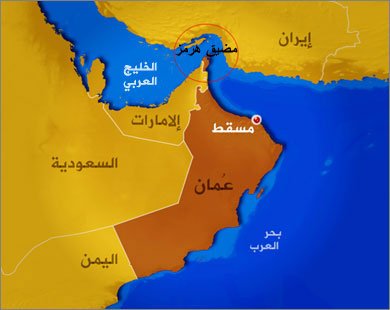
Meanwhile, Oman, whose main oil ports lie outside the strait, did not have to reduce its exports and saw its revenues rise by 80% since the outbreak of the war, according to Goldman Sachs estimates.
Kuwait, Qatar, Bahrain, and Iraq were the hardest hit by the strait’s closure, as they have few alternative routes to transport their production to world markets.
Shortlink: https://sudanhorizon.com/?p=13431