

The Crisis of Sudanese Nationals Stuck Between Aswan and Halfa
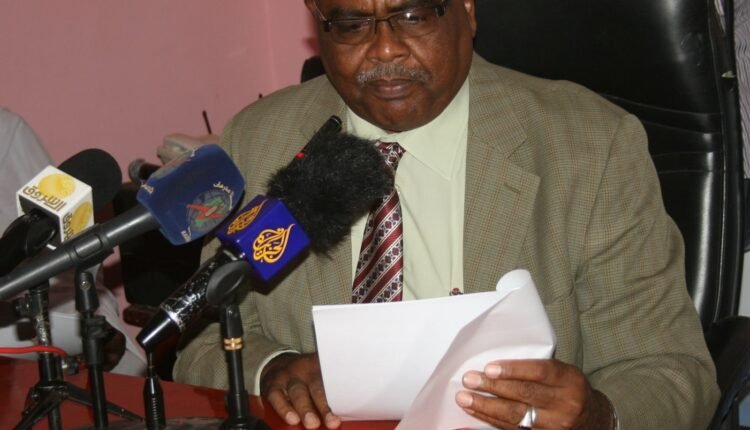
By Dr. Abdel Azim Awad
The curtain has quietly fallen on the crisis involving South Sudanese nationals who, through a twist of fate, found themselves among the passengers of a voluntary repatriation convoy aboard the vessel Sinai, traveling between Aswan, in southern Egypt, and Wadi Halfa, in northern Sudan.
I say “through a twist of fate” because these voyages are intended exclusively for Sudanese citizens returning home under the voluntary repatriation program organized by the Al-Amal Committee for Voluntary Repatriation, headed by engineer and journalist Mohamed Wadaa.
More than one hundred South Sudanese nationals—most of them women and children—joined the voluntary return train traveling from Alexandria to Aswan. It was therefore natural for Sudanese immigration authorities in Wadi Halfa to withhold permission for them to enter Sudan, as they lacked documentation proving Sudanese nationality. Likewise, Egyptian authorities could not permit them to re-enter Egypt. Faced with this situation, the stateless travelers had no option but to remain aboard the Sinai, where they were stranded for more than two weeks.
Intensive diplomatic efforts led by Sudan’s Embassy in Cairo and its Consulate General in Aswan, working closely with the relevant Egyptian authorities as well as Sudanese passport and immigration officials, ultimately produced a practical solution. Sudanese authorities agreed to receive the stranded passengers temporarily while arrangements were made for their onward transportation to their homeland in a dignified manner.
Some commentators sought to exaggerate the incident and exploit it amid the country’s broader crises. However, these attempts were overshadowed by the extensive efforts of Sudan’s Consulate General in Aswan, which effectively operated as a round-the-clock operations center under the leadership of Consul General Ambassador Abdel Qader Abdallah. Working in coordination with the Wadi El Nile River Navigation Authority, consular staff maintained constant communication with the Sudanese Embassy in Cairo and with the stranded South Sudanese passengers. They even shared their food with those aboard and devoted themselves to caring for the children, including a newborn baby delivered by his mother aboard the Sinai during the ordeal.
In conclusion, the efforts of the Al-Amal Committee in facilitating the return of Sudanese citizens deserve recognition. At the same time, the committee should ensure more rigorous verification of the identity documents of all passengers seeking to join future return convoys.
Equal praise is due to Sudan’s Embassy in Cairo and its Consulate General in Aswan for their tireless work—often continuing day and night—until the crisis was resolved through God’s grace and their sustained efforts.
Shortlink: https://sudanhorizon.com/?p=15512