

Teachers’ Breakfast
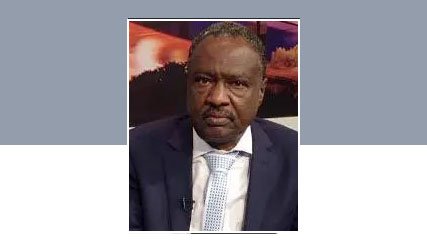
Rashid Abdelrahim
In our schooldays, carrying the teachers’ breakfast tray from where it was prepared to the teachers’ seating area was a task of great importance, one associated with countless stories and memories among pupils. Those entrusted with it were four of the toughest boys in the school, chosen for their sturdy physiques and well-developed muscles.
Among the amusing anecdotes surrounding this task were the stories the four boys would tell about the contents of the large tray, from which wafted the enticing aromas of liver, grilled meat and fish, alongside other dishes with less pungent smells, such as fried eggs, as well as sweets like basbousa and vermicelli pudding. The four boys’ reward was merely to look at the food and inhale its aromas. Anyone who dared go beyond that and sample it would face severe punishment. This happened to some of them when they ate the liver and concealed the dish by burying it, only for their trick to be discovered.
Teachers’ breakfasts were prepared on the outskirts of towns and villages, either through donations from some well-to-do residents or by women who were paid from teachers’ contributions. I once worked for a year as a teacher at Sheikh Mustafa Al-Amin School in the Arab Market area, where breakfast was prepared by the owner of the school canteen at heavily discounted prices. Perhaps this was part of the concession he had been granted to run the canteen.
Residents of neighbourhoods surrounding schools would sometimes provide teachers with food and drinks, particularly on special occasions, as an expression of respect and appreciation. This was not because teachers were in need or unable to meet their living expenses. Their salaries were sufficient, and private tuition was not commonly used to supplement their income. Nor was a teacher forced to make do with plain bread because he could no longer afford ful, or to fill his bread with falafel or tahini.
Pupils in villages would have breakfast at home because their schools were nearby, or bring their food with them, while pupils in towns received pocket money sufficient to buy a meal. It was unheard of for providing breakfast to become a burden on families, or for charitable benefactors to have to provide it on parents’ behalf.
Today, however, the circle of deprivation has widened to encompass the inability to afford even the most basic necessities. Even a staple food such as kisra is now beyond the means of many families. This starkly reflects the profound transformation in people’s lives and the decline in their ability to meet their most basic living needs.
Generosity is an innate virtue and deeply rooted trait of the Sudanese character. It knows no geographical boundaries and is not diminished by changing circumstances. This was clearly demonstrated during the war, when takayas—community kitchens—sprang up in many areas to feed those in need and displaced people. They were sustained by the contributions of well-to-do individuals and the efforts of young people, who took on the burdens of cooking and distributing food, setting an admirable example of solidarity and compassion.
Yet it is shameful that soaring prices, poverty, destitution and hunger should become widespread realities in a country endowed with resources and capabilities sufficient to provide its citizens with a dignified life. The war inflicted enormous damage on the economy, production, and public services, but the state’s failure, poor management, corruption, and misguided economic decisions have made people’s suffering even more severe and widespread.
Sudan is not a country poor in resources. We possess wealth capable of bringing about a genuine economic transformation, foremost among it gold, whose revenues could have helped address many of the country’s crises, had the amounts reaching the state treasury reflected the scale of what is extracted.
It is corruption, the sale of licences and concessions, and the empowerment of vested interests and monopolistic cartels to control markets that drive exorbitant prices and inflation, while squandering the country’s potential.
Shortlink: https://sudanhorizon.com/?p=20619