

Have Mercy on Sudan
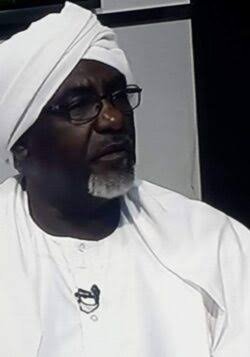
Dr Osman Abu Zaid
A report circulating on social media says female teachers at a school in Al-Fitihab, Omdurman, found one of their pupils, during the breakfast break, eating the remnants of a ta’miyya (Sudanese falafel) mixture scraped from a cooking griddle behind the classrooms.
According to the teachers, this girl is not alone. There are other pupils from disadvantaged families who silently endure hunger, going without food and struggling because they have no breakfast to eat during the school day.
The hardships of daily life and the rising cost of living that we face in our country are, in fact, of our own making.
Ever since Sudan gained independence, we have been caught up in political conflicts, wars and revolutions (glorious though they may be)!
One war ends only for another to begin, even though we could live together, coexist and build our country in peace and harmony.
In his memoirs, Professor Ahmed Abdel Rahman recounts an incident from 1957, when he was a student at the University College of Khartoum and represented the Islamist leadership of the time. Dr Saad al-Din Fawzi, Dean of the Faculty of Economics (who died in 1959), invited him to a meeting, together with the student Qaribullah al-Ansari, who represented the communists.
Dr Fawzi was a political science specialist. He had written his doctoral thesis at the University of London on the labour movement. He told the two students that Sudan needed to build its future by developing a corps of qualified specialists capable of addressing the many challenges that lay ahead.
He then offered them some words of advice:
‘You, on the right and the left, represent no more than 10 per cent of the students. It is unfair of you to obstruct the aspirations and ambitions of those who wish to work, study and specialise, while poisoning the university environment by perpetuating conflicts. Have mercy on Sudan!’
He also urged them to organise student union elections under a system of proportional representation, which would give students from different affiliations a greater opportunity to be represented.
Sadly, the students did not heed their professor’s advice. Instead, they listened to their party leaders, who turned universities into battlegrounds where stones and iron bars were wielded, and sometimes even knives and other bladed weapons were used.
University students became adept at argument and sharp-tongued rhetoric at the so-called Arkan al-Niqash (open discussion forums), only to graduate as champions of pointless disputation, fanaticism and conflict.
Our poet, Mohamed Saeed Al-Abbasi, describes this state of affairs in the following verses:
Were the people to know where Sudan stands today,
In relation to other nations, they would be overcome
With grief and compassion.
Ignorance and poverty, and parties wreaking havoc,
Have shattered the strength of patience,
With thunder and lightning.
Partisanship is poison, so let there always be,
O my people, an antidote within you to this poison.
Do not despair of becoming a beacon of guidance,
For every one of you has noble roots,
And a seed that has flourished well…
Shortlink: https://sudanhorizon.com/?p=20412