

“Sumoud” and Dialogue Within Sudan: Who Has the Right to Choose on Behalf of the Sudanese?
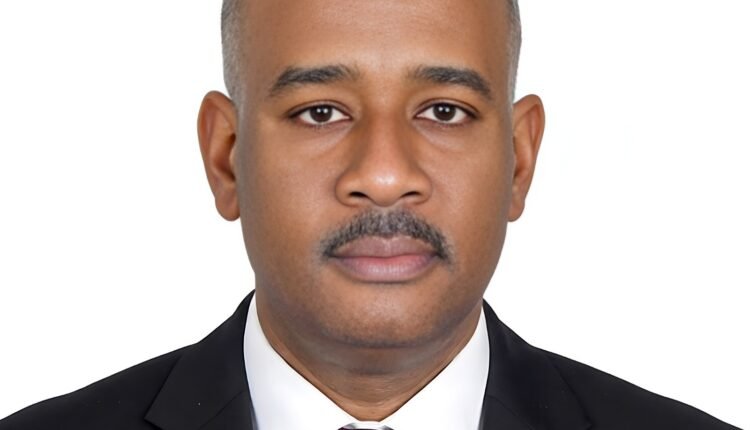
Muhannad Awad Mahmoud
“Sumoud” presents itself as a civilian representative. Yet, it is reluctant to support dialogue within Sudan, the very country where the Sudanese people for whose sake the dialogue is supposedly being held actually live, and where a wide range of political and social forces are present. This raises a fundamental question: if “Sumoud” represents civilians, why is it reluctant to support a dialogue that would allow them to participate and express their views in their own country?
In my view, dialogue does not mean handing power to a political bloc as part of a settlement, nor does it mean endorsing or politically supporting an incumbent government. Rather, it is a process of consultation on how the country should be governed, how the transitional period should be managed, how state institutions should be built, and how relations between civilians and the military should be organised, ultimately leading to free elections in which the Sudanese people choose their leaders.
In its first position on dialogue within Sudan, “Sumoud” made its participation in any political dialogue conditional on ending the war first. However, following the joint meeting of the Quad and the Quintet in New York, held on the sidelines of the United Nations General Assembly meetings on 23 September 2026, the African Union issued a statement supporting Sudanese–Sudanese dialogue. The statement stressed that efforts to end hostilities and reach a permanent ceasefire, the humanitarian track, and the establishment of an inclusive Sudanese dialogue owned and led by the Sudanese themselves should proceed in parallel, with no track waiting for the completion of another and none conflicting with the others.
This position ran counter to “Sumoud’s” proposal, prompting it to swiftly change its stance and call for dialogue to be restricted to just three blocs: “Sumoud”, “Tasees” and the Democratic Bloc. On 15 October 2026, the Al-Muhaqqiq news website reported, citing sources close to the Quintet Mechanism meetings, that “Sumoud” demanded that participants in the dialogue be limited to these three blocs. It is as though Sudan, with all its political forces and social components, could be reduced to three seats around the table!
This raises the question: where do all the other forces that do not belong to these blocs fit in? Political parties, community-based groups, native administrations, women and young people, internally displaced persons and refugees, and local initiatives all have a direct stake in the country’s future. Restricting dialogue to a handful of specified groups runs counter to the call for an inclusive Sudanese dialogue.
This position also raises questions about “Sumoud’s” claim to represent civilians. Representation cannot be established merely by addressing the international community. It requires engaging with the Sudanese people, listening to the diversity of their views, and accepting the participation of those who do not agree with the coalition. How can a coalition that claims to represent civilians substantiate that claim if it excludes broad sections of them from the dialogue?
The state has taken a step towards addressing some of the legal issues involved. In September, Decision No. 363 of 2026 was announced, providing for the dismissal of public-prosecution criminal cases against Sudanese nationals living abroad if they enter Sudan to participate in the dialogue, and granting them temporary procedural immunity during their participation. This measure enables forces with reservations to clearly set out their demands for participation and discuss them within a practical framework.
Holding the dialogue in Sudan, with the participation of various political and social forces, would enable Sudanese people to take part in discussions about their country’s future. Holding it abroad, by contrast, would restrict participation to certain political elites and exclude broad sections of the Sudanese people who are bearing the consequences of a war arising from disagreements among politicians, even though they will be the first to be affected by the dialogue’s outcomes.
If “Sumoud” is calling for inclusive dialogue, it must accept the participation of political and social forces rather than confining the process to blocs of its own choosing. Those who claim to represent the people must be willing to engage in open dialogue with them, rather than deciding for themselves who has the right to sit at the table.
Shortlink: https://sudanhorizon.com/?p=19916