

Abbas Sharaky: Calling GERD Egypt’s “Strategic Reservoir” Was a Response to Ethiopian Provocations, Not a Denial of Its Harmful Effects
Cairo – Sudanhorizon – Sabah Mousa
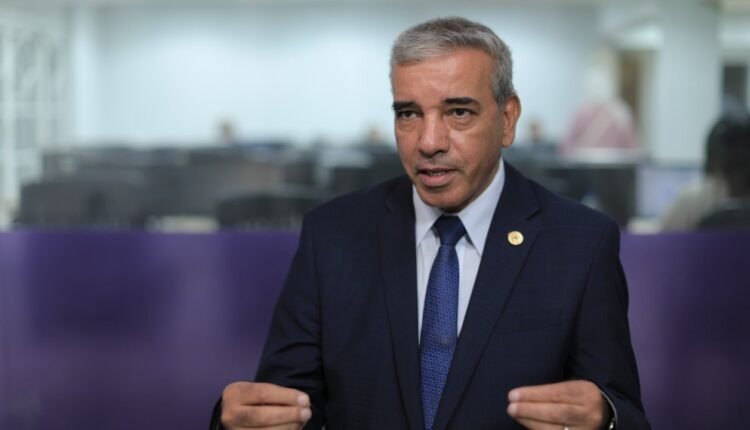
Egyptian water expert and Professor of Geology and Water Resources at Cairo University, Dr. Abbas Sharaky, has clarified that his recent television remarks describing the Grand Ethiopian Renaissance Dam (GERD) as “a strategic reservoir for Egypt”, storing an estimated 64 billion cubic meters of water reserves, were made in response to what he described as “Ethiopian provocations.”
In an exclusive statement to Sudanhorizon, Sharaky said his comments were a response to repeated Ethiopian statements asserting that Addis Ababa has full control over the GERD because it is an Ethiopian dam built on Ethiopian territory, and that Ethiopia therefore has the exclusive right to manage it. He added that Ethiopian officials have also claimed ownership and control over the Nile River.
“My remarks were a response to these provocations,” Sharaky said, stressing that the water stored behind the dam will ultimately flow downstream to Egypt.
Sharaky emphasized, however, that unilateral operation of the GERD, if accompanied by poor management, could inflict serious damage, particularly on Sudan. He pointed to the recent sharp decline in Blue Nile water levels as evidence, noting that similar problems occurred during previous filling phases, when falling water levels displaced communities and forced numerous drinking water stations in Sudan out of service.
He added that the subsequent opening of the dam’s spillway gates released approximately 750 million cubic meters of water, causing flooding in Sudan. While Egypt’s High Aswan Dam helps mitigate the impact of such fluctuations, Sharaky stressed that this does not diminish the seriousness of the damage, as the situation also creates operational challenges for Egypt.
According to Sharaky, Sudan remains the country most affected because it becomes dependent on decisions to open or close the GERD’s gates in the absence of adequate information sharing, with significant consequences for its water management.
He warned that the most dangerous scenario would be a structural failure of the dam, saying such an event could result in the loss of a vast number of lives, widespread destruction, and severe disruption in Egypt.
“We do not know what will happen with the gates—whether they will be opened or closed, or whether operators will wait for additional rainfall. We simply do not know,” he said.
Sharaky reiterated that although the stored water will eventually reach Egypt, his objections remain focused on the manner in which the dam was constructed and the way water was impounded over the five-year filling period.
He concluded that without the High Aswan Dam, Egypt would have faced a major catastrophe. Nevertheless, he said the current method of operating the GERD continues to cause significant problems, emphasizing that resolving these issues requires a legally binding agreement and full coordination among Egypt, Sudan, and Ethiopia.
Shortlink: https://sudanhorizon.com/?p=16202