

Experts Warn of Rising Extremism Risk from Alleged RSF Weapons Diversion in West and Central Africa
Geneva – Sudanhorizon
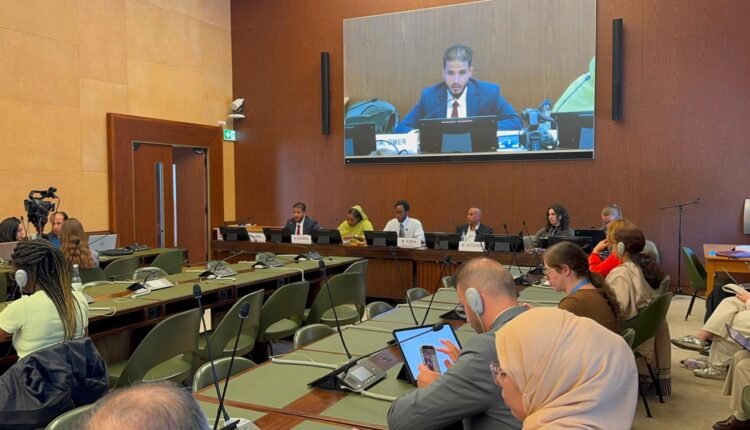
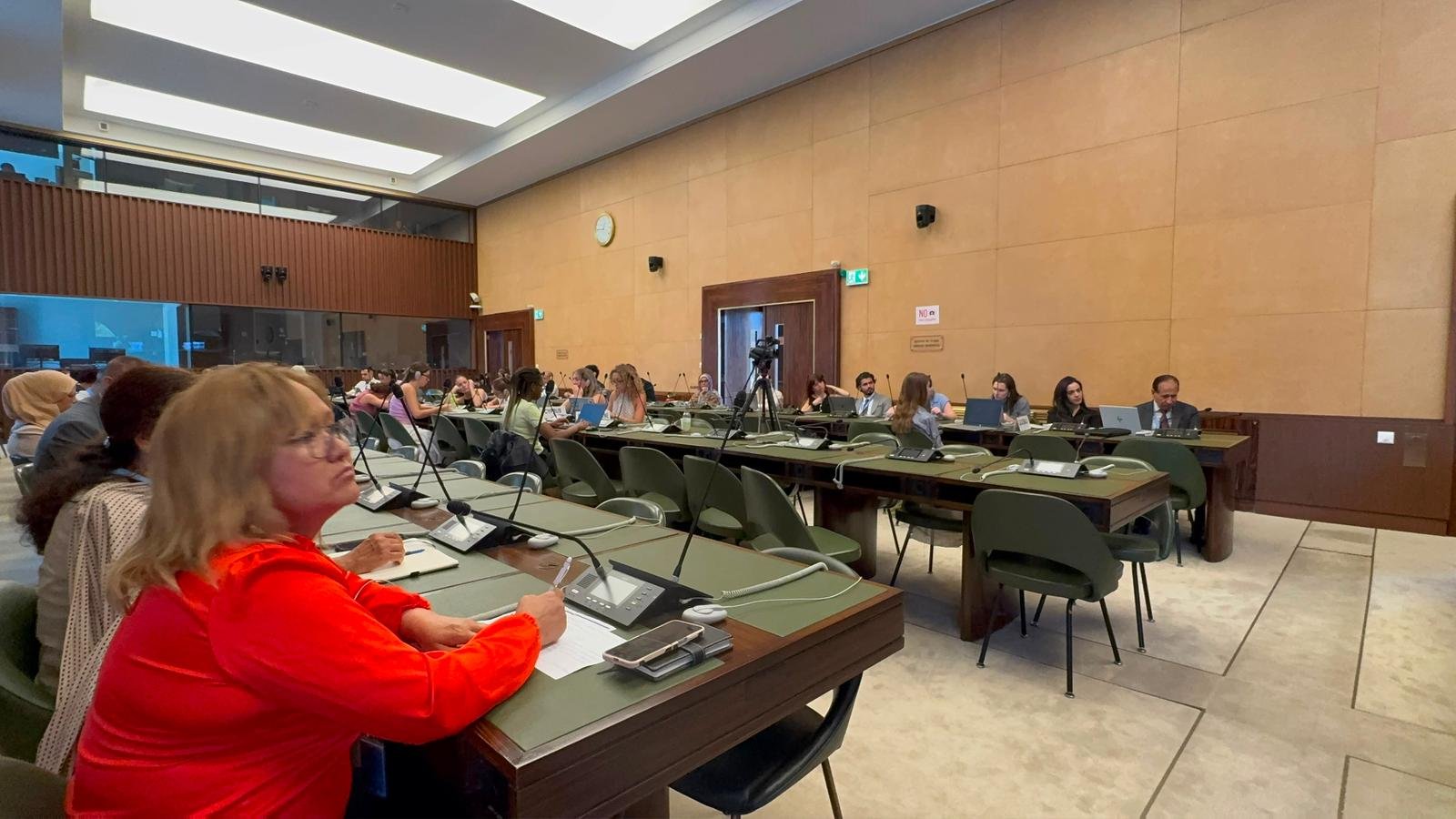
Sudanese experts, human rights advocates, and journalists on Friday issued what they described as a serious strategic warning from the Palace of Nations in Geneva during a high-level human rights event held on the sidelines of the 62nd session of the United Nations Human Rights Council.
The seminar, organized by the International Organization for the Elimination of All Forms of Racial Discrimination (EAFORD) under the title “Transitional Justice and the Rule of Law in Post-Conflict Societies,” examined the humanitarian and security situation in Sudan and its broader implications for regional and international security.
A central focus of the event was the proliferation of weapons and the unprecedented spread of military equipment outside formal state institutions. Conflict journalist and human rights advocate Mohamed Al-Tayeb presented an assessment of the security challenges facing Sudan in the post-conflict period.
Al-Tayeb argued that large stockpiles of weapons allegedly seized by the Rapid Support Forces (RSF) from Sudanese Armed Forces garrisons in Darfur, combined with advanced weapons that he said had reached the group from multiple sources, were circulating without institutional oversight or effective control. Based on what he described as field observations and journalistic investigations, he claimed that these weapons were likely crossing porous borders and reaching extremist organizations operating across the Sahel and sub-Saharan Africa.
He further warned of what he described as the potential emergence of new terrorist organizations originating from within the ranks of the RSF itself. According to Al-Tayeb, the group’s operational methods resemble those employed by transnational extremist organizations such as ISIS, Boko Haram, and Al-Qaeda, including the use of intimidation, mass violence, and kidnapping for ransom as a source of financing. He argued that such developments could destabilize West and Central Africa and pose a significant threat to regional and international security.
Addressing the humanitarian dimensions of the conflict, women’s and children’s rights advocate Amira Al-Raih discussed the deep social trauma caused by the war. She argued that the collapse of the rule of law had enabled the RSF to use sexual violence, including mass rape and forms of enslavement, as systematic tactics to terrorize civilians, alter demographic realities, and subjugate local communities.
Al-Raih cited reports issued by the Office of the United Nations High Commissioner for Human Rights, Human Rights Watch, and the African Centre for Justice and Peace Studies, which document numerous cases of abductions and serious violations against women and children. She stressed that rebuilding society requires robust accountability mechanisms, support for survivors, and efforts to overcome stigma and social isolation.
Independent journalist and human rights advocate Ahmed Omar addressed what he described as the conflict’s parallel information war. He argued that Sudan’s independent media landscape had been devastated through the destruction and militarization of newspaper offices and independent television stations by parties to the conflict. Citing reports from UNESCO and the Sudanese Journalists Syndicate, he said journalists had been killed and abducted over recent years, contributing to information blackouts in regions such as Darfur and Kordofan.
Omar also highlighted the work of youth-led volunteer groups and emergency response rooms, which he said continue to counter misinformation despite facing disinformation campaigns, accusations of disloyalty, and sophisticated AI-generated propaganda. He noted that these groups have developed local verification mechanisms to combat hate speech, protect civilians, and facilitate the delivery of life-saving humanitarian assistance.
The participants concluded the event by presenting a series of recommendations to the UN Human Rights Council. They called for stronger diplomatic and legal pressure on regional actors alleged to be supplying weapons to the RSF in order to prevent their diversion to extremist groups. They also urged the international community to establish urgent victim rehabilitation programs and develop an early strategy for disarmament, emphasizing that any political settlement that fails to prioritize social reconciliation and accountability for perpetrators would be unlikely to achieve lasting implementation on the ground.
Shortlink: https://sudanhorizon.com/?p=15515