

Cash Liquidity Crisis Hits Khartoum Markets Ahead of Eid al-Adha
Khartoum – Nazik Shammam
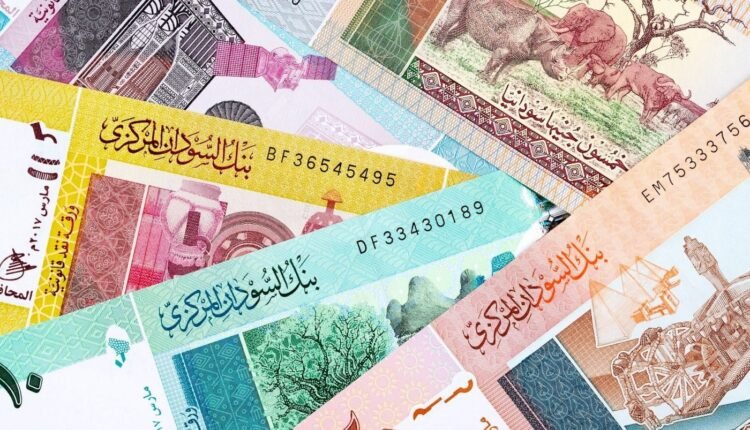
Sudan’s capital, Khartoum, is witnessing a cash liquidity crisis following the completion of the replacement and exchange process for the 500 and 1,000 Sudanese pound banknotes.
Markets across various areas of Omdurman and Khartoum are suffering from a shortage of cash circulation, alongside instability in banking applications.
Al-Sirr Abdullah, a trader at the Spice Market in Omdurman, explained that the shortage of cash liquidity began after the currency exchange operations ended.
Speaking to Sudanhorizon, he said the cash crisis has negatively affected commercial activity in the market during the Eid al-Adha season.
Meanwhile, Al-Tayeb Ibrahim, a trader at Al-Shajara Market, confirmed the instability of banking applications.
Ibrahim told Sudanhorizon that banking apps “work for an hour and stop for an hour,” as he described it.
He pointed to heavy pressure on banks and overcrowding by customers seeking to obtain cash before the Eid al-Adha holiday and travel to the states.
Economic expert Dr. Haitham Mohamed Fathi believes the solution lies in printing and supplying the new currency. However, Fathi told Sudanhorizon that this solution would have negative consequences for the national economy.
He said, “Any new issuance of currency by the central bank to address the liquidity crisis will lead to an increase in the money supply and worsening inflation, which will result in the deterioration of the Sudanese pound’s value.”
Fathi added that one way to ease the crisis is electronic payments through banking applications. However, this option remains limited due to electricity outages and weak internet services, which disrupt transfers and delay purchasing operations.
He stressed that this solution has also created price distortions in goods sold through banking applications, which are often priced higher than goods sold through paper currency. It has also contributed to the spread of usurious practices in the exchange between paper and electronic money.
Fathi further revealed that unofficial reports indicated that nearly 80% of the cash mass circulating in the country — estimated at around 900 trillion Sudanese pounds — had been circulating within the shadow economy, while the remainder was not fully under the supervision of the central bank.
Shortlink: https://sudanhorizon.com/?p=14220