

UNDP: Sudan’s Electricity Sector Sustained $3 Billion loss, More Reliance on Solar Energy
Khartoum – Sudanhorizon
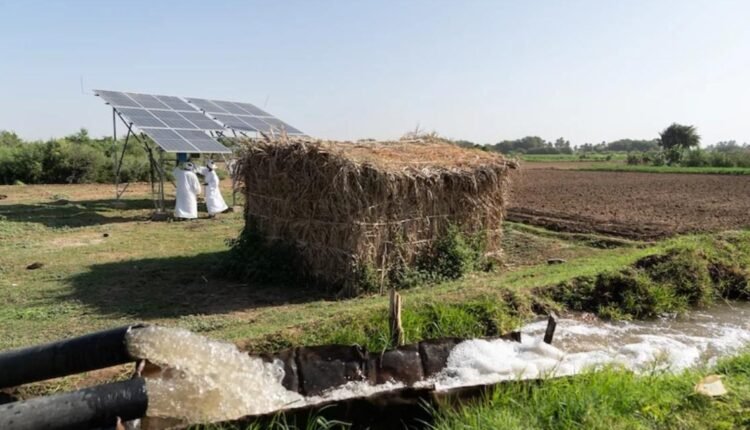
The United Nations Development Programme (UNDP) in Sudan on Monday said the electricity sector has incurred losses of up to three billion dollars. The report also noted the increased reliance on solar panels despite their rising prices.
In a report, the UNDP stated that “damage to electricity generation and transmission networks is estimated at approximately three billion dollars, leading to a significant increase in imports of solar energy panels.”
The report explained that this damage has prompted shop owners, telecommunications companies, and households to rely on solar energy, which can bypass the dilapidated electricity grid and avoid the high cost of diesel.
It pointed out that the solar energy supply is vulnerable to disruptions due to the devaluation of the local currency and supply chain constraints.
The UNDP stated that electricity access in Sudan ranges between only 45% and 60%, with national grid services concentrated in major cities. This has made off-grid solar energy a primary option for rural and conflict-affected areas.
He noted that Sudan’s installed solar power capacity reached approximately 190 megawatts by 2025.
The report stated that the government had planned to provide 2.5 million residential solar power systems by 2023 in areas far from the national grid, but most of these projects were hampered by funding shortages and the ongoing conflict.
He explained that Sudan’s imports of solar panels increased significantly after the war, particularly during 2024 and 2025, due to the destruction of the electricity grid and the surge in demand for alternative power sources.
The report indicated that the value of imported solar panels saw substantial increases, with shipments of the same value now providing significantly higher electricity capacity compared to previous years due to lower global prices.
He emphasized that all components of solar power systems in Sudan, including panels, batteries, and inverters, are imported, making the sector vulnerable to exchange rate fluctuations, foreign currency shortages, inflation, customs duties, and high transportation and shipping costs.
Data published in the report revealed disparities in solar energy use, with Khartoum recording the highest residential solar energy usage rate at over 7%, followed by Kordofan at approximately 6% and Darfur at around 5%, while the rate dropped to about 3% in eastern and central Sudan.
The report stated that small and medium-sized enterprises (SMEs) suffered significant losses due to power outages and fuel shortages.
It cited farmers in Gadarif who reported a decrease in production from 60 sacks to 35 sacks as a result of the power disruptions, while fuel prices in Blue Nile State rose from 70,000 Sudanese pounds to 250,000 pounds for some types of batteries, and diesel prices reached between 80,000 and 100,000 pounds.
The report further explained that some farmers in White Nile State were unable to irrigate their crops for 12 days due to fuel shortages, while many business owners were forced to reduce operating hours or rely on manual labor due to the high cost of running generators. The report stated that financing represents the biggest obstacle to the widespread adoption of solar energy, with available loan interest rates ranging from 20% to 35% and repayment periods as short as six to eight months.
The report also noted that the telecommunications sector, which boasts approximately 23.9 million subscribers and covers 80% of the country, is increasingly reliant on hybrid systems that combine electricity, generators, solar power, and batteries, given the collapse of the national grid.
The report urged the Sudanese government and international partners to adopt urgent interventions to support solar energy supply chains, expand microfinance, establish maintenance networks and train technicians, and develop renewable energy policies, recognizing solar energy as a crucial tool for economic recovery and for bolstering essential services during the conflict.
Shortlink: https://sudanhorizon.com/?p=13995