

The Dalgo Sedition
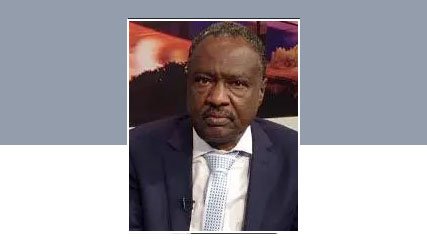
Rashid Abdel Rahim
Since the outbreak of the war, Northern Sudan has remained a fixed point in the rebellion’s rhetoric and imagination. They have repeatedly threatened to invade and occupy it, with their first attack targeting Merowe Airport in northern Sudan.
They claim that the northern tribes are responsible for oppressing them, classifying them along ethnic lines, monopolising power, and excluding them from governance. The rebellion has also sought to resettle African tribes within Sudan.
In Darfur, the hawakeer system prevails, whereby tribes exercise control over land, often leading to conflicts and disputes—such as those historically witnessed between the Ma’alia and the Rizeigat.
For this reason, there are no northerners working in gold mining in western Sudan. In contrast, no such hawakeer system exists in the North, and it is relatively easy for people from western Sudan to work in mining areas such as Argo and elsewhere.
Providing employment opportunities for people from western Sudan is important, particularly as the war has spread across many of their regions. It is far better for them to find work than to be driven towards rebellion, displacement, or migration.
Mining areas have now become targets for the rebellion and its allies—among them Sumoud coalition and other opposition forces—who weave narratives and fictional accounts alleging discrimination and hostility against those working in the sector.
Confronting these campaigns requires honesty and courage, foremost among which is acknowledging the acts of discrimination committed by the rebellion during the war against unarmed civilians—many of which were based on tribal and racial grounds.
At the same time, it must be recognised that many northern communities will not accept organised resettlement on their lands, whether involving people from western Sudan or even neighbouring regions. These areas have long suffered from weak public services, neglect, and underdevelopment—often more so than western, eastern, or southern Sudan. The limited services available in healthcare, education, electricity, and other sectors are insufficient even for the local population, let alone any increase in demand.
The tribes of northern Sudan—such as the Mahas, Ja’aliyyin, Shaigiya, Danagla, and others—have historically served as agents of development and social cohesion through professions such as medicine, teaching, and engineering. Hardly any part of Sudan is without a teacher, doctor, or engineer from the North. One often finds them in towns and villages serving as mosque imams, officiating marriages, actively participating in sports, and playing leading roles in cultural, social, and athletic clubs.
The people of northern Sudan do not practise discrimination, racism, or hostility on the basis of colour, language, or region.
Shortlink: https://sudanhorizon.com/?p=12792