

US Sanctions on Three RSF Leaders
Washington – Sudanhorizon
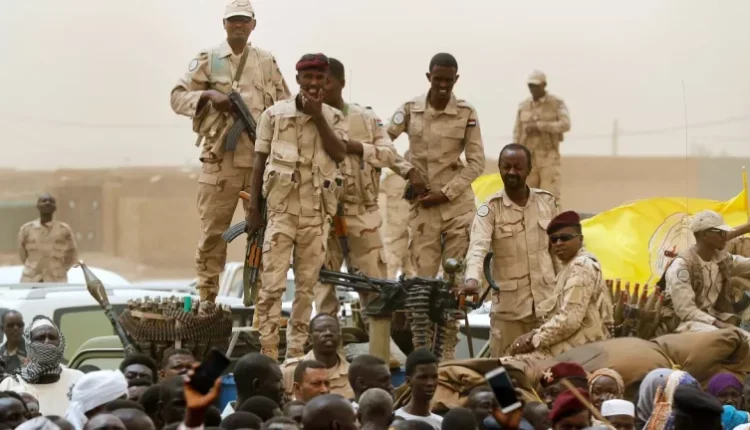
The United States Administration has imposed sanctions on Thursday on three leaders of the Rapid Support Forces (RSF) for their involvement in horrific abuses committed in El Fasher after the city’s capture in late October 2025.
The sanctions targeted Al-Fatih Abdullah Idris, known as “Abu Lulu,” Ahmed Mohamed Jadu, known as “Abu Shouk,” and Tijani Ibrahim, known as “Al-Zeer Salem.”
The US Treasury Department stated that the three individuals participated in the 18-month siege of El Fasher and subsequent events during the city’s capture.
The statement asserted that the RSF committed crimes including ethnic cleansing, torture, starvation, and sexual violence.
According to the statement, the RSF and affiliated militias have committed widespread atrocities, including war crimes, crimes against humanity, and genocide, since the beginning of the war in Sudan in April 2023. This action follows similar sanctions imposed by the UK and the EU on the same individuals in December and January, respectively. The statement affirmed the United States’ commitment to working with the international community to achieve lasting peace in Sudan, resolving the conflict that has caused the world’s worst ongoing humanitarian crisis, claiming the lives of more than 150,000 people and displacing over 14 million others.
The sanctions targeted Al-Fatih Abdullah Idris Adam, also known as “Abu Lulu,” a brigadier general in the Rapid Support Forces (RSF). He filmed himself in El Fasher killing unarmed civilians and boasting about the thousands of deaths.
Idris also interrogated civilians and Sudanese Armed Forces prisoners, mocking and verbally abusing them, asking about their tribal affiliations, forcing them to chant slogans in support of the RSF, and in some cases threatening them with rape, according to the US statement. He also executed prisoners by shooting them at close range while they were in defensive and defenseless positions. The Rapid Support Forces (RSF) had previously announced the arrest of Idris for human rights abuses, but the US Treasury Department suggested that the arrest was a mere formality to deflect responsibility for the atrocities committed by its leaders and members in El Fasher. The Treasury noted that Idris had committed similar atrocities in other parts of Sudan, including the March 2024 execution of members of the Sudanese Armed Forces at the Al-Gaili oil refinery north of Khartoum.
The US sanctions also targeted Ahmed Mohamed (Jidu), known as Abu Shouk, an RSF brigadier general who has served as commander of North Darfur since 2021, and Tijani Ibrahim Musa, known as Al-Zeer Salem, a field commander in the RSF.
The Treasury stated that both Jidu and Tijani appeared in videos filmed inside an abandoned Sudanese Armed Forces base in El Fasher after the RSF seized control of it. The U.S. Treasury Department stated that “from May 2024 to October 2025, the Rapid Support Forces (RSF) and allied militias imposed a siege on El Fasher and carried out continuous attacks on the city and surrounding camps for internally displaced persons (IDPs)
It added that “over 18 months, the RSF gradually tightened its siege, intensified its indiscriminate attacks, and constructed an earthen berm around the city to prevent the entry of food and aid, trapping approximately 260,000 civilians and causing widespread disease and famine.”
The statement further noted that “during clashes between the RSF and the Sudanese Armed Forces, the RSF committed a horrific campaign of extrajudicial killings, torture, and sexual violence, targeting civilians based on their ethnicity and tribal affiliation, regardless of gender or age.”
The RSF also committed “massacres against civilians who attempted to flee El Fasher or seek refuge,” according to the U.S. Treasury Department statement. Treasury Secretary Scott Bisent called on the Rapid Support Forces to “immediately commit to a humanitarian ceasefire,” emphasizing that the United States “will not tolerate the ongoing campaign of terror and senseless killing in Sudan.”
The Secretary added that “without an urgent end to this conflict, the war in Sudan threatens to further destabilize the region and create conditions for the growth of terrorist groups that threaten the security and interests of the United States.”
Shortlink: https://sudanhorizon.com/?p=11499