

Sudan After the War: Building the State or Reproducing Militias?
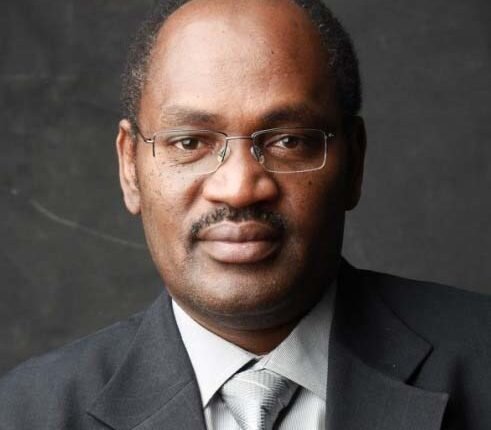
Ramadan Ahmed
The Sudanese political landscape grows increasingly complex each time people believe the war has reached its peak and that the end is near. Citizens long for the day when they can finally close the chapter on this conflict and return to their daily lives, in the hope that stability will return and conditions improve. I have always tended towards optimism, but what is happening today makes it difficult to find anything reassuring or capable of inspiring genuine hope amid this deeply troubling scene.
There is no doubt that regional developments — most notably the American-Israeli confrontation with Iran — have had a direct impact on the war in Sudan. The level of support previously received by the Rapid Support Forces (RSF) has declined, something clearly reflected in the fractures and divisions now emerging within its senior leadership.
Under such circumstances, the state ought to adopt a new approach by opening direct negotiations with those willing to abandon the fighting to reach a peaceful settlement that would end the war. If that proves impossible and the withdrawal of fighters from the RSF becomes the dominant scenario, the situation must be handled through clear, carefully considered measures.
The first of these measures should be the complete disarmament of those surrendering, so that both they and society fully recognise that they are no longer part of the war or an armed force within it. This step is not merely a security requirement; it also carries an important psychological dimension that prepares the ground for a return to normal life.
The second step would involve placing these individuals into rehabilitation and training programmes that would help them adapt to civilian life and emerge from the atmosphere of violence and conflict in which they have lived for years.
The third step would then be to offer them, after rehabilitation, a choice between integration into the armed forces in accordance with recognised professional standards and conditions, or demobilisation and return to civilian life, accompanied by financial support to help them begin a stable new life.
It is equally important that these same standards be applied to the other armed movements and armed groups allied with the army once the war ends, so that the post-war period concludes with a single military institution monopolising the use of force and all armed formations falling under its authority. Clear laws must also be enacted, criminalising the possession of weapons outside the official security and military institutions.
Yet what is currently taking place appears both different and deeply worrying.
The government is not merely receiving defectors from the RSF; it is organising welcoming ceremonies and public celebrations for them. Even if one assumes good intentions and argues that this is designed to encourage further defections and weaken the leadership still engaged in combat, it does not justify allowing these defectors to retain their weapons and fighters within the very communities that previously suffered extensive abuses at their hands.
The danger of this approach lies in the possibility that it could effectively lead to the reassembly of RSF elements within a new structure under a different leadership — perhaps under a figure such as Musa Hilal or someone similar. Even more concerning is the possibility that this newly reconstituted force could become a tool for pressuring or blackmailing the armed movements that signed the Juba Peace Agreement, particularly amid the political and media campaigns currently targeting those movements.
If the RSF is indeed reassembled under a different name and a new leadership aligned with the army, Sudan may find itself paving the way for another round of conflict — potentially even more violent and destructive than the war of the past three years.
It is critically important that the state not adopt a mentality that manages conflicts by pitting rivals against one another, or by employing militias and armed balances as instruments of political struggle. Such a mentality cannot build a stable state; rather, it opens the door to further division and destruction.
With many indicators suggesting that the war may be approaching its final stages, the country urgently needs a different vision for managing the post-war period — one that moves beyond the logic of revenge and conflict, seeks to dismantle the culture of war itself, and creates the conditions for a culture of peace, reconstruction, and development, so that Sudan may finally emerge from this exhausting cycle.
Shortlink: https://sudanhorizon.com/?p=13935