

South Sudan Erupts
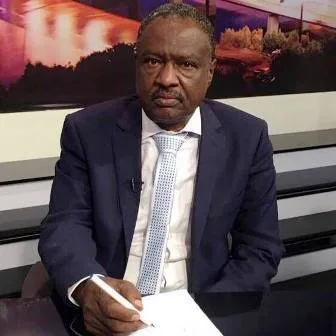
Rashid Abdelrahim
Suddenly, high-level developments have erupted in South Sudan. The opposition, led by Riek Machar, ordered its forces two days ago to move towards the capital. The order was issued by the Deputy Chief of Staff, Wesley Samson.
Fighting began in northern Jonglei, where opposition forces advanced and seized control of the strategic area of Magot.
This escalation followed a series of ministerial and senior-level changes issued by President Salva Kiir, under which the Minister of Interior, Angelina Teny—the wife of opposition leader Dr Riek Machar—along with the head of intelligence and other opposition figures, were dismissed.
These developments come as Dr Machar remains under detention, suggesting that the escalation will be particularly intense and forceful.
This represents the most serious breach of the peace agreement between the government and the opposition, brokered by Sudan in 2018 after fighting that left more than 400 people dead. Two years later, further clashes erupted following large-scale movements by the White Army forces affiliated with the Nuer tribe.
South Sudan has been experiencing severe political and national suffocation, especially since President Salva Kiir assumed power. This impasse revolves around two core issues that persist as a source of tension.
The first is the rivalry between two men with long and prominent histories in war and governance: Dr Riek Machar (71) and President Salva Kiir (74). This rivalry is reinforced by a prevailing narrative that contrasts Machar’s academic background and international connections with a rival who is viewed positively for his early involvement in the liberation movement and his contributions to its war effort, yet negatively on account of what is seen as a weak personal formation—having risen within the movement from a lowly position in the Sudanese army, holding the rank of shawish (sergeant).
The second, more combustible factor is tribalism, which continues to inflame the conflict. Forces loyal to Salva Kiir are unwilling to accept that a man from the Nuer tribe should assume the presidency. Although the Nuer constitute one of the largest tribes, attempts to agree on a rotational presidency between the two men were made and ultimately failed.
External factors have also entered into South Sudan’s crisis, notably the ambitions of Kenya and Uganda in a country endowed with significant natural resources.
External influence has intensified since the outbreak of the war in Sudan, as Nuer forces supported Sudan’s Rapid Support Forces, further complicating matters alongside Emirati intervention backing Salva Kiir’s forces and acting as the principal financier of the Rapid Support Forces.
An escalation of fighting between the southern factions will place severe economic pressure on the South Sudanese state, which has already lost its principal source of revenue—oil—after exports were halted by the war in Sudan.
The Government of South Sudan does not hold particularly positive sentiments towards Sudan, and the influx of Gulf money and the buying of loyalties have further widened the distance between them.
By contrast, the people of South Sudan harbour warm feelings towards Sudan, as was clearly evident during football matches, when South Sudanese fans enthusiastically supported Sudanese teams with a fervour no less than that of Sudanese supporters themselves.
Beyond oil, essential goods reach South Sudan from Sudan—goods that cannot be sourced elsewhere with the same quality and price, given the ease of transport between the two countries. These include staples central to the daily life of South Sudanese citizens, such as sugar, salt, clothing and other necessities.
The country best placed to mediate and reconcile the two sides is Sudan itself, given its deep knowledge of the South and the broad acceptance it enjoys among the warring parties. The question is whether Sudan is ready to undertake such mediation, and whether Salva Kiir would accept it.
That, however, lies in the realm of the unseen—and time will tell.
Shortlink: https://sudanhorizon.com/?p=10602