

Sadiq Ismail: External Rejection Will Not Halt Internal Dialogue; Process to Proceed Without Exclusion
Cairo – Sudanhorizon – Sabah Musa
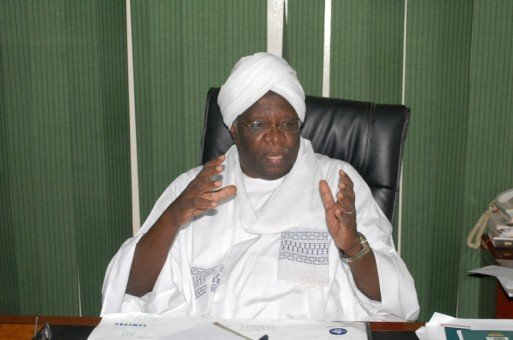
Deputy Acting Chairman of the National Umma Party, Lieutenant General Sadiq Ismail, affirmed that Sudanese-Sudanese dialogue is a demand shared by all Sudanese, both inside and outside the country. He stressed that an internally led dialogue, under the proposed guarantees, could serve as an inclusive platform for all Sudanese.
In an exclusive statement to “Sudanhorizon,” Ismail said some political forces have become accustomed to conducting dialogue from abroad and reject internal dialogue unless it is tailored to their preferences and demands.
He added that the proposed guarantees make an internal dialogue suitable as a forum for all Sudanese. He noted that the prevailing view is that the dialogue should take place inside the country and that no one should be excluded, except those proven to have committed crimes.
He stressed that the dialogue should be open to everyone and address all of Sudan’s problems, ultimately leading to a national project that strengthens stability and secures peace.
Commenting on the outcome of a meeting held by a number of Sudanese political forces in Addis Ababa today (Sunday), which rejected internal dialogue, Ismail said claims that an internally led dialogue would deepen divisions and fail to represent genuine peace because it would be managed by one of the parties to the war were “baseless arguments.”
He questioned their alignment with the Rapid Support Forces (RSF), adding that the majority of people inside Sudan, who represent the will of the Sudanese people as a whole, welcome internal dialogue, while those abroad constitute only a small minority and do not represent the Sudanese people.
Ismail stressed that dialogue is an issue open to all Sudanese who wish to participate. He acknowledged that there may be reservations regarding security arrangements, but said these could be discussed by those genuinely concerned about Sudan’s interests.
He added that those rejecting internal dialogue are not genuinely concerned about Sudan’s interests and have other objectives and agendas.
Regarding the possibility of holding internal dialogue among forces that share common positions while excluding external forces that oppose it, the Deputy Chairman of the National Umma Party explained that there are differences in political visions even among forces inside Sudan.
These range from those seeking democracy, those supporting the existing system, and those calling for a different system, in addition to disagreements over other fundamental issues.
He said differences clearly exist among domestic political forces, but stressed that this should not mean “throwing oneself into the arms of foreign powers.”
Ismail said the internal dialogue would begin even if external forces reject it, as long as there are major national forces, such as the National Umma Party, the Democratic Unionist Party, and other national forces that do not seek to impose a predetermined solution on the dialogue.
He confirmed that the absence of external forces would not affect the internal dialogue as long as the process follows an agreed methodology, remains comprehensive and free, excludes no one, and provides all necessary guarantees.
Ismail explained that the preparatory committee for the dialogue is currently meeting with political forces to exchange ideas and develop the dialogue process, describing the current stage as “a phase of consultation and deliberation.”
He said an initiative had been put forward by a number of Sudanese to present a vision for an internally led dialogue. The proposal, he noted, had received acceptance from the leadership and various political forces, which welcomed it.
He added that the current committee is “exploratory” and is not responsible for managing the dialogue itself. Rather, it is working to gather views and achieve convergence among different perspectives.
Ismail noted that the idea of an internal dialogue was proposed by Ambassador Noureddine Satti and others, who put forward a vision aimed at bringing all Sudanese together around the dialogue process.
Shortlink: https://sudanhorizon.com/?p=17306