

Meat Exporters Division: Importing Brazilian Chicken Is a Sound Decision That Will Bridge the Domestic Supply Gap
Sudanhorizon – Hala Hamza
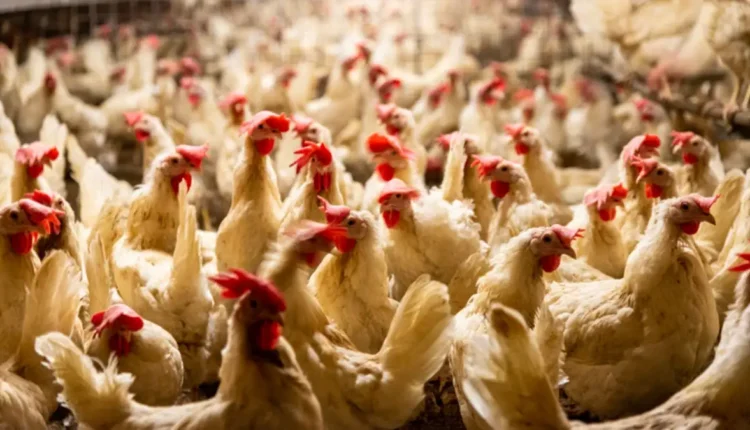
Experts in the livestock production sector are divided over the Ministry of Animal Resources and Fisheries’ announcement that Sudanese markets will be opened to a new range of Brazilian products and inputs, including day-old chicks, fertilised hatching eggs, cattle embryos, meat, and poultry and cattle by-products.
Speaking to Sudanhorizon, supporters said the decision would help bridge the domestic chicken supply gap and lower meat prices. Opponents, however, described it as an attempt to avoid addressing underlying problems while draining foreign currency to import products that are available locally.
Ali Al-Hussein, an analyst specialising in the agricultural and livestock sector, told Sudanhorizon that the decision amounted to moving forward without addressing the root causes of the crisis and treating problems with imported temporary fixes. He stressed the need to tackle structural weaknesses and activate existing domestic and national capabilities.
Al-Hussein called for protecting local breeds rather than replacing them, arguing that doing so would contradict the fundamental principles of sound production planning. He emphasised that Sudan is rich in livestock and genetic resources and does not need to import embryos and chicks. The country possesses indigenous breeds, including Kenana and Butana cattle and local sheep, which are exceptionally well adapted to the local environment and naturally resistant to disease.
He noted that these characteristics are often lacking in imported breeds, which require highly specialised and costly environmental conditions, care and feeding.
“From a technical standpoint, it would have been better to establish a partnership with Brazil to localise technologies and transfer knowledge to Sudanese scientists, universities, and agricultural and livestock research centres, rather than simply consuming ready-made products that keep the country permanently dependent on imports,” he said.
For his part, Mahdi Al-Rahima, deputy head of the Meat Exporters Division, told Sudanhorizon that opening the market to Brazilian chicken and meat imports would help address the substantial domestic chicken shortage, which has driven prices up to around SDG 40,000 per kilogram due to limited supply and declining production.
He pointed out that Brazilian chicken is inexpensive and provides an alternative to meat, whose prices have also doubled. This would ease the cost-of-living burden on citizens and could lead to lower red meat prices as consumers reduce their purchases.
Khalid Mohamed Khair, former rapporteur of the Meat Division, told Sudanhorizon that importing from Brazil was a sound decision, given the country’s shortage of meat, particularly chicken, and its production difficulties. He added that the livestock sector is facing major challenges, including a feed shortage, smuggling, extensive depletion of livestock resources, diversion of revenues, and substantial losses caused by the war.
Shortlink: https://sudanhorizon.com/?p=19465