

Gold in the Northern State: From Underground Wealth to Sustainable Development
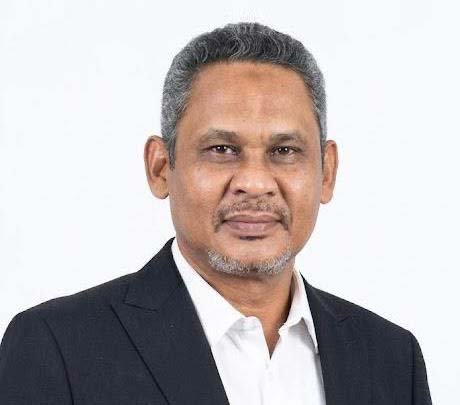
Tariq Al-Kindi Yousif
The Northern State possesses considerable mineral wealth, with gold at the forefront. This wealth could genuinely drive economic and social development if invested and managed properly. The true value of gold lies not merely in extracting and selling it, but in converting its revenues into sustainable productive and service-oriented assets and projects that benefit both the state and local communities.
The mining sector in the Northern State is expanding exploration and production activities, alongside the continued presence of artisanal mining. This has stimulated economic and commercial activity and made Dongola’s gold market one of the key centres of this activity. However, the sector’s expansion makes it essential to regulate and control it by strengthening oversight of production, purchasing, and trading; improving testing and assaying procedures; organising markets; curbing smuggling; and coordinating efforts between the state government and relevant authorities.
Artisanal mining remains an important economic opportunity, particularly for young people. However, it needs to move from an informal, haphazard activity to one that is organised, safe, and productive. This requires registering miners, regulating mining sites, developing markets, encouraging mining associations and cooperatives, providing training and modern equipment, and strengthening occupational health and safety standards.
This highlights the importance of establishing and developing training and mining-service centres in Halfa, Delgo, Dongola, and Al-Dabbah. Such centres would help improve workers’ skills, transfer knowledge and modern technologies, create new employment opportunities and enhance the sector’s productivity.
Gold extraction, however, should not come at the expense of the environment or human health. Protecting the Nile and agricultural land—particularly islands and areas close to water sources—must therefore be an integral part of the mining system. This requires safe waste management, reduced use of highly hazardous substances, expanded adoption of less harmful technologies, and requiring mining operators to rehabilitate sites affected by mining activities.
More importantly, gold revenues should be used to build a more diversified economy. The Northern State has significant agricultural and livestock potential, and some mining revenues could be directed toward developing irrigation systems, drilling wells, agricultural mechanisation, providing agricultural inputs and energy, improving livestock breeds and feed, and establishing agro-processing and livestock-related industries.
This is precisely where the central idea becomes clear: gold is a finite resource, whereas productive projects are a form of wealth that can be renewed and sustained.
Corporate social responsibility among mining companies can likewise evolve from scattered initiatives into genuine partnerships for local development. This could be achieved by supporting road, water, electricity, education and healthcare projects, as well as financing youth enterprises, based on clearly defined priorities established in coordination with the state government and local communities.
The future of gold in the Northern State should not be measured solely by how much is extracted from beneath the ground. Rather, it should be measured by how much of that gold is transformed into productive agriculture, functioning industries, employment opportunities, better services, infrastructure, a safe environment and communities better equipped to build their own future. The real question, therefore, is not simply about gold itself, but what we do with the gold.
When mining becomes properly regulated, the environment is protected, young people are adequately trained, and revenues are directed towards production and essential services, gold can be transformed from a mere resource extracted from beneath the earth into a bridge connecting the state’s natural wealth with the future of its people—and into a genuine engine of sustainable development in the Northern State.
Shortlink: https://sudanhorizon.com/?p=18215