

Banking Experts: Daily Central Bank Currency Injections Risk Depleting Gold and FX Reserves
Sudanhorizon – Hala Hamza
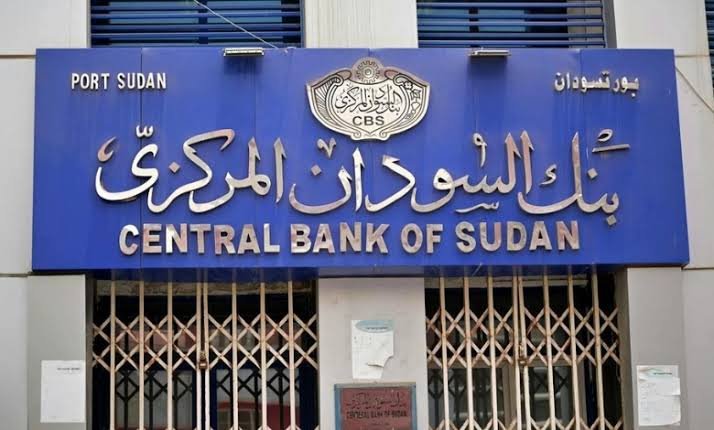
Banking specialists have cautioned that the Central Bank of Sudan’s continued intervention in the foreign exchange market through daily hard currency injections may prove difficult to sustain unless supported by long-term financing mechanisms.
In interviews with Sudanhorizon, banking experts addressed three key questions: whether the financing mechanisms underpinning the Central Bank’s interventions to stabilize the exchange rate are sustainable, the challenges facing those mechanisms, and their long-term viability.
The discussion follows earlier remarks by Sudan’s Finance Minister, Dr. Gibril Ibrahim, who denied media reports that Sudan had received a foreign financial deposit that helped strengthen the Sudanese pound. He said the reports were unfounded and attributed the recent relative stability of the exchange rate to government measures and monetary policies adopted to manage the currency crisis.
Banking expert Noaman Youssef told Sudanhorizon that relying on direct intervention in the foreign exchange market without stable foreign currency reserves presents a significant challenge to the Central Bank’s ability to manage the exchange rate. He noted that the parallel market had recently seen the dollar exceed SDG 5,000 before the Bank began its intervention.
Several banking observers also questioned the sustainability of relying on gold purchases and exports to generate foreign currency and build reserves. They argued that converting gold into foreign exchange to finance current imports effectively turns reserve accumulation into a tool for financing ongoing consumption rather than safeguarding the economy against future shocks.
According to the analysts, this approach amounts to crisis management rather than pursuing the structural reforms needed to strengthen Sudan’s economy.
A banking source, who requested anonymity, told Sudanhorizon that maintaining exchange rate stability requires moving beyond a policy of direct market intervention toward monetary policies that increase foreign currency inflows through official channels, stimulate domestic production, and create a more attractive investment climate.
The source added that while continuous liquidity injections may help absorb exchange rate shocks and contain inflation in the short term, the key question remains whether the Central Bank’s financing mechanisms are sustainable and where the foreign currency used for these daily interventions is being sourced.
On Wednesday, the Central Bank of Sudan announced that it remains fully prepared to continue meeting eligible foreign exchange requests submitted through commercial banks in accordance with approved regulations. The Bank said the policy is intended to facilitate imports and ensure the availability of strategic goods needed by the national economy.
It also reassured importers and commercial banks that all qualifying requests would continue to be processed in line with established procedures.
Former Bank of the Family Managing Director Dr. Saleh Gibril told Sudanhorizon that if the Central Bank succeeds in accumulating sufficient gold reserves, it could maintain the financial capacity to fund imports, improve Sudan’s balance of payments, and help reduce the economic burden created by the ongoing war.
Meanwhile, banking expert Waleed Dalil described the Central Bank’s current approach as “a financing model rather than a sustainable model.”
He argued that Sudan’s ability to finance imports of fuel and essential goods is being tied to a single, highly volatile source—official gold production and exports—while a substantial share of the country’s actual gold output continues to leave the country through smuggling channels beyond the Central Bank’s oversight.
“When monetary coverage depends on a resource from which a significant portion is diverted outside the official system,” Dalil said, “the Central Bank’s capacity to inject foreign currency depends on what actually reaches the national treasury, not on the country’s true production.”
He added that sustained currency injections are not being matched by corresponding growth in other sources of foreign exchange, raising concerns about the long-term sustainability of the current policy.
Shortlink: https://sudanhorizon.com/?p=15729