

Abdul and Trump: An Electoral Battle That Reveals Profound Changes in American Society
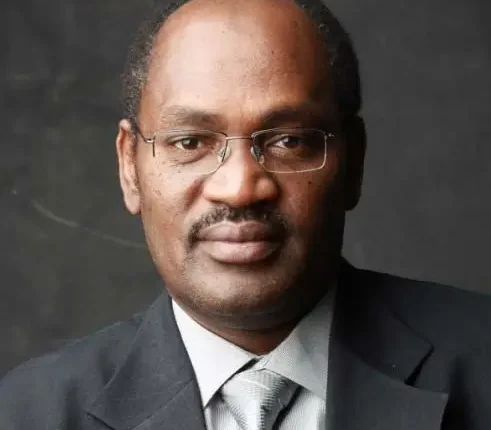
Ramadan Ahmed
Anyone wishing to witness one of the most significant transformations taking shape in the United States in the twenty-first century should follow the current midterm election campaign. One striking feature of this campaign is that US President Donald Trump, his vice-president and several of the Republican Party’s most prominent hardliners have devoted considerable attention to attacking Abdulrahman Al-Sayed, a Muslim candidate of Egyptian origin known in American circles as ‘Abdul’. These attacks have taken the form of insults, smear campaigns and attempts to associate him, at different times, with the Muslim Brotherhood and Al-Qaeda.
This raises a number of questions. What would drive the highest office in the land to target Abdul so fiercely? Could this campaign affect his electoral prospects? What might his victory over his Republican opponent, Mike Rogers, signify? More importantly, are we witnessing merely a passing electoral battle, or are there signs of a deeper transformation in American politics and society, one whose repercussions could extend to the Arab region and the wider world?
This article seeks to answer these questions by examining the significance of the current electoral contest and the changes it may reveal in the American political landscape.
The Smear Campaign and the Limits of Its Influence
Trump has not limited himself to opposing Abdul’s victory. He has gone further, accusing him of belonging to the Muslim Brotherhood, having links to Al-Qaeda and receiving funding from terrorist organisations. He went further still, saying that if Abdul won, he should not be allowed to enter the Senate without first passing through metal detectors, clearly implying he might pose a security threat.
These statements did not occur in isolation. Similar positions were expressed by US Vice-President JD Vance, while media outlets aligned with the Republican Party continued to repeat the same allegations. As a result, targeting Abdul has become a prominent feature of the rhetoric directed against him.
Abdul, meanwhile, has continued his campaign without letting these attacks distract from the issues he is raising. Several commentators believe his responses to Trump’s personal attacks have undermined the latter’s moral and political standing, giving Abdul’s campaign more room to focus on the everyday concerns of American citizens.
Rather than being drawn into personal disputes, Abdul has concentrated on healthcare, the cost of living, education and the need to direct public money towards improving Americans’ lives instead of financing wars or supporting countries accused by international bodies of committing genocide. In this context, he poses a direct question: why should taxpayers’ money be spent on bombs that kill children and innocent people when it could instead fund education, develop the healthcare system and improve public services?
Through this message, Abdul seeks to shift the debate away from accusations, religious identity, and his name toward social and economic priorities—issues that resonate with broad sections of the electorate.
The Election Debate and the Consequences of Trump’s Intervention
The latest debate between Abdul and his Republican rival, Mike Rogers, marked an important moment in the campaign. According to the polling figures cited in accounts of the contest, Abdul’s support rose to more than 60 per cent, while Rogers’s fell to below 40 per cent.
Facing this decline, Rogers turned to Trump for help bolstering his campaign. However, the President’s appearance, judging by impressions from several observers, failed to achieve the desired effect. Some voters expected a speech that addressed their concerns and offered convincing answers, but instead faced another wave of insults and harsh language that critics considered unbecoming of the President of the United States.
If assessments of its electoral impact are accurate, this episode reveals an important paradox: a figure expected to give a Republican candidate an additional advantage can instead become a liability when personal feuds take precedence over the issues that matter to voters.
Why Are Abdul’s Opponents Concerned About His Message?
One possible explanation for the intense focus on Abdul lies in the clarity of his political message, his personal presence and his ability to communicate with the public. In his supporters’ eyes, he offers a different model of leadership from those that have dominated American political life in recent decades. He also brings renewed attention to questions concerning the nature of power, the sources of influence and the limits of money’s impact on political decision-making.
This interpretation suggests that Abdul’s message challenges entrenched vested interests that rely on the influence of wealthy individuals, major corporations and campaign donors. Financing candidates, whether Republican or Democrat, gives economic interest groups considerable power to influence politicians’ agendas and shape the choices available to voters. From this perspective, the call to remove money from politics directly challenges the traditional rules of the game.
Abdul campaigns under the slogan ‘Get Money Out of Politics’, signalling the need to curb the influence of private funding in public life and strengthen the independence of political decision-making from powerful financial interests. If this proposal attracts broad popular support, it could open the door to a deeper debate about the relationship between democracy and money, and about political institutions’ ability to represent citizens independently of pressure from vested-interest groups.
According to this reading, the challenge is not confined to economics and politics; it also extends to prevailing ideas about the individual and society. Abdul’s emphasis on the family, social solidarity, and public responsibility raises, directly or indirectly, questions about the limits of individualism promoted by certain liberal currents and the possibility of building a political model that prioritises collective interest and public services.
His focus on America’s domestic problems also shifts the debate away from foreign interventions and the imposition of Western perspectives on others toward addressing the crises American society faces. This may give his message a significance extending beyond the electoral contest, making it part of a wider debate about the United States’ role in the world and its future priorities.
Islam and Muslims at the Heart of Social Change
Another paradox worth considering is that the rise of anti-Islamic and anti-Muslim rhetoric may lead some Americans, rather than distancing themselves from Islam, to become more curious about the faith and more interested in learning about Muslim communities.
Public debates about Islam and Muslims have often helped create opportunities to present a different picture of them, particularly when Muslims can express their ideas and share their experiences directly, free from stereotypes. In this way, attempts to discredit them can become an opportunity to revisit assumptions, ask questions and learn about Islam through a wider range of sources and personal encounters.
Nevertheless, claims that the number of Americans converting to Islam has increased significantly, or that any such increase is directly linked to anti-Muslim political rhetoric, require reliable data to establish both the scale of the phenomenon and its causes. What is clear, however, is that debate about Islam has become part of a broader discussion concerning religious pluralism, American identity and the limits of tolerance in society.
From Midterm Elections to Presidential Ambitions
According to the optimistic expectations expressed by his supporters, Abdul’s victory in the midterm elections is no longer a remote possibility. Some commentators go further, suggesting that his rise could make him one of the figures the Democratic Party might consider for the 2028 presidential election. They point to what they regard as his leadership qualities, his ability to appeal to different voter groups, and his focus on issues that directly affect people’s daily lives.
However, moving from success in one electoral contest to competing for the presidency is no easy task. The gap between a candidate’s popularity at one stage and building a broad national electoral coalition remains considerable. Political institutions and centres of economic and media influence also have tools to shape electoral competition.
Talk of Abdul’s presidential future should therefore remain within the realm of possibilities and expectations, rather than being treated as a foregone conclusion. Nevertheless, the emergence of a figure who places social justice, campaign financing, military spending, and the relationship between religion and society at the centre of his political message may indicate changing political attitudes among sections of the American public.
American Transformation and Its Global Repercussions
Developments in the United States merit close attention not only for their possible electoral consequences, but also for what they may reveal about changing relationships between citizens and institutions, money and politics, and domestic priorities and the country’s international role.
If voices calling for political reform, limits on the influence of vested interests, and the redirection of public spending toward essential services become a significant electoral force, we may see a reassessment of some of the foundations that have shaped American politics for decades. If traditional forces contain or weaken these demands, however, the struggle may continue in other forms, both within and beyond the two major parties.
If these changes become firmly established, they could have repercussions for the Arab region, particularly for foreign aid, US policy toward regional conflicts, military spending, and the nature of Washington’s relationships with its allies. A realignment of priorities within the United States could affect the policies it pursues beyond its borders. However, the scale and direction of that impact would depend on the outcome of domestic political struggles and the wider international context.
Ultimately, we should not reduce what is happening to Abdul himself or to Trump’s attacks on him. The deeper issue concerns the transformations taking place in American society and the ability of emerging political forces to turn popular discontent into tangible institutional change.
These elections alone may not be sufficient to bring about a radical transformation of the American political system. They may, however, outline a new phase in which questions about money, power, social justice, identity, and the United States’ global role become increasingly prominent.
Following developments in America today is therefore about more than keeping up with an election campaign. It is an attempt to understand history as it unfolds before our eyes.
Shortlink: https://sudanhorizon.com/?p=19532