

Siddiq Ismail: Saudi Arabia Seeks to Unify Factions of the National Umma Party
Cairo – Sudanhorizon – Sabah Mousa
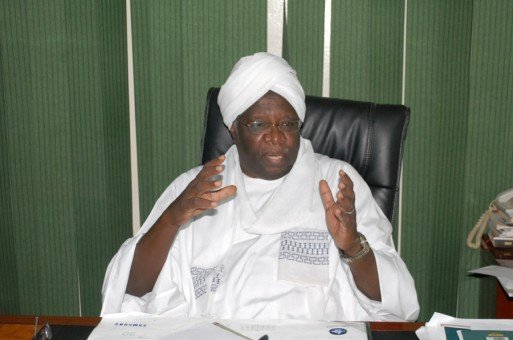
Siddiq Ismail, Deputy Chairman of the National Umma Party, has denied traveling to Saudi Arabia in response to an invitation concerning a new political plan for a resolution of the crisis in Sudan, asserting that the press report circulating about his visit was not accurate.
Ismail—whose name appeared in a report attributed to “Africa Intelligence” as one of the individuals contacted by Saudi Arabia—stated that Saudi Arabia is seeking to bridge the gaps between various factions within the National Umma Party. This effort, he noted, stems from an appreciation for the party’s historical role, its broad grassroots base, and its significance in shaping and stabilizing the Sudanese political landscape. He added, “I do not believe that Saudi Arabia intends to grant any role in the coming phase to the ‘Sumoud’ (Steadfastness) alliance or its affiliates.”
At the same time, Ismail welcomed the prospect of an intra-Sudanese dialogue, noting that political forces are monitoring its progress and working to steer its course to ensure the desired success.
Ismail’s remarks followed a widely circulated press report from November 10, which revealed a Saudi initiative—led by a high-level diplomatic and security team—aimed at restructuring the Sudanese political landscape. The initiative reportedly seeks to engage civilian leaders and persuade them to enter into a political partnership with the Chairman of the Sovereign Council, General Abdel Fattah al-Burhan. The report noted that, since March 2026, Riyadh has hosted various Sudanese political figures—including leaders from the “Sumoud” (Resilience) alliance, the National Umma Party, the Sudanese Congress Party, and the Sudan Liberation Movement.
It observed that Riyadh has preferred to engage with these figures on an individual basis rather than dealing with civil alliances as unified blocs. The report further indicated that this approach has raised concerns within Sumoud alliance regarding the potential weakening of its internal cohesion and negotiating position.
This comes amid reservations held by several civil leaders concerning the proposed political partnership with al-Burhan—stemming from their persistent concerns regarding the role of the army, its ties to the Islamist faction, and its responsibility for the continuation of the war.
Shortlink: https://sudanhorizon.com/?p=20186