

Abdul’s Victory… Messages from Americans to the World
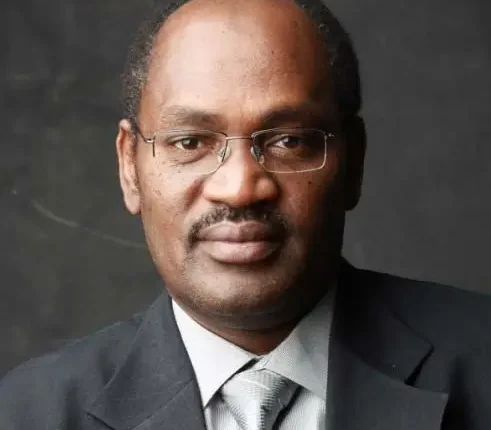
Ramadan Ahmed
A friend recently remarked that I predicted Abdulrahman Al-Sayed’s victory in the final election early on, after his success in the primaries. The truth, however, is that I was not making a prediction so much as reading the facts and indicators before me and drawing what seemed to me to be logical conclusions.
The most striking of these indicators was Abdul’s strong leadership presence and his ability to break away from the traditional political discourse that had dominated the American scene for decades. His personality stood apart from the stereotypical image shaped by pressure groups, particularly the Zionist lobby, to the point that many American politicians had become prisoners of repetitive rhetoric and lacklustre positions that failed to reflect the aspirations of broad sections of American society.
Abdul’s rise was not merely a passing electoral event. It came against a backdrop of profound changes within American society and declining confidence in the traditional political establishment. The stage, one might argue, was set for the emergence of a figure with genuine leadership qualities, someone able to speak directly to the public and address their concerns without being constrained by the calculations imposed by centres of power and money.
Abdul’s strength lies in his personal charisma and his ability to communicate complex ideas in simple, direct language that ordinary citizens can understand. More importantly, his political message emerged at a time when the American political landscape seemed to suffer from a shortage of leaders capable of inspiring people and earning their trust.
Perhaps one of the main reasons for this decline, according to this interpretation, is that political money and the influence of pressure groups have helped create a class of politicians dependent on campaign funding from wealthy and influential interests. This makes them more susceptible to their financial backers’ agendas. The result has weakened the independence of political discourse and stripped away much of its substance.
Against this background, Abdul’s position on political financing became one of the most distinctive features of his platform. He rejected reliance on wealthy donors and called for money to be kept out of politics, safeguarding the independence of political decision-making and ensuring it remains accountable to voters rather than to the interests of those who fund campaigns.
He also adopted a clear position against sending American taxpayers’ money abroad to finance wars or support countries accused of committing grave violations. He insisted that American citizens had a greater claim to these resources and that priority should be given to addressing domestic problems, particularly education, healthcare and improving living standards.
Abdul’s position on the Palestinian cause was not a secondary detail in his political discourse; it was one of the most prominent ways he differed from the prevailing position within the American political establishment. He opposed the use of taxpayers’ money to support a state accused, in his words, of committing genocide against the Palestinians. This position resonated with sections of the American electorate that have become increasingly critical of Israeli policies and unconditional American support for Israel.
From this perspective, any shift in the balance of political power within the United States that leads to a reassessment of the financial, military and political support provided to Israel would have far-reaching implications for the future of the Palestinian cause and Israel’s position in the region.
Recent developments have also pointed to growing concern in certain Jewish and Zionist circles about Israel’s future. Even some figures known for their support for the establishment of the Israeli state have expressed pessimism about its prospects. One statement cited in this context was made by the head of the World Jewish Congress, who spoke of donating his home in Tel Aviv and having no intention of returning there.
There is not enough space here to review all the statements and positions reflecting this anxiety. What is clear, however, is that Israel’s future is no longer beyond scrutiny and criticism, even within some circles historically associated with its support.
Nevertheless, any decline in American support for Israel, should it occur, would not necessarily mean its automatic or easy disappearance. Major political changes follow complex paths, and many Arab countries may have to bear the consequences of their previous positions and relations with Israel, in addition to the wider regional repercussions that could follow such a shift.
In terms of personal presence and the ability to communicate with the public, former President Barack Obama may be the American politician whose qualities most closely resemble those of Abdulrahman Al-Sayed. In my view, however, the difference between the two experiences lies in their relationship with the centres of influence within the American state.
Obama came to power carrying enormous public expectations, but found himself surrounded by entrenched institutions and centres of power that prevented him from fulfilling many of the promises and aspirations expressed in his political rhetoric. Abdulrahman Al-Sayed, by contrast, built his political message from the outset around challenging the influence of these centres and confronting the deep state’s role in shaping policy. This enabled him to reach a broad section of voters who feel that the political system is failing to respond to their priorities.
To be fair, Abdul’s rise cannot be explained by his personality alone. Domestic and international circumstances have also helped create the conditions for this shift. Two major developments stand out. The first was the events of 7 October and the devastating Israeli war that followed against the Palestinians, which sparked widespread debate within American society about the nature of US support for Israel. The second was the war against Iran and its adverse impact on economic and living conditions in the United States. This brought renewed attention to the cost of American military involvement abroad and the priorities governing public spending.
A sweeping Democratic victory in the elections, particularly in Michigan, would be more than an ordinary success in the familiar contest between the two parties. It could signal deeper changes in the American political mood and the beginning of a reassessment of several long-standing assumptions that have shaped US domestic and foreign policy for decades.
Domestically, this could mean growing demands to direct public resources toward education, healthcare, and essential services rather than spending them on wars and foreign interventions. Internationally, it could open the door to reassessing America’s traditional role as the world’s policeman and reconsidering its relations with regimes and governments that receive American support.
As far as the Palestinian cause is concerned, the growing presence of political voices critical of Israeli policies could mark an important shift in the nature of the American debate on Palestine and in the future of the support Israel receives from Washington.
I therefore believe that Abdul’s rise could pave the way for a broader political role within the Democratic Party and perhaps place him among the leading figures likely to play a central part in the next presidential election. If these changes continue, he could become one of the Democrats’ strongest political assets in their forthcoming electoral contest.
What is happening is not simply a matter of one candidate or one party winning an election. It is about the multiple messages American voters are sending to their political establishment and to the world: that domestic concerns can no longer be postponed; that political money should not continue to have the final say; and that foreign assistance and international policies must be subjected to genuine scrutiny in the light of citizens’ interests and the values of justice and human rights.
In my view, this is the most significant meaning of Abdul’s rise.
Yet the most profound message is directed at people who have surrendered to corrupt elites – whether political, military or dynastic – that have obstructed progress and development in their countries. It is that, despite all its shortcomings, a democratic system also possesses mechanisms for self-correction, allowing new blood and fresh ideas to enter public life and renew the political order.
Shortlink: https://sudanhorizon.com/?p=19849