

From Program Exchange to AI: The China-Africa Forum Shapes the Future of Media
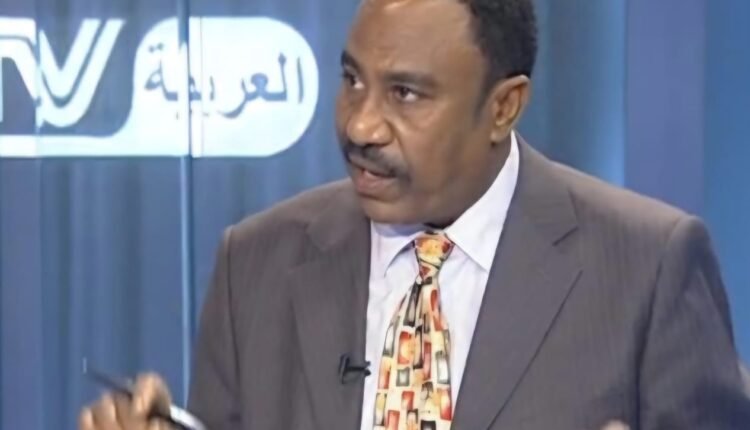
Osama Mokhtar*
The China-Africa Media Cooperation Forum (CMC) is one of the most prominent mechanisms for dialogue and cooperation between China and African countries in the media field, within the framework of the Forum on China-Africa Cooperation (FOCAC). Since its launch in Beijing in 2012, the forum has become a platform that brings together government officials, broadcasting and television organizations, media institutions, production and technology companies, and experts to explore ways to develop media and audiovisual cooperation between the two sides.
Over more than a decade, the forum has evolved from focusing on program exchange, broadcasting cooperation, and training to a broader agenda encompassing digital transformation, new media, co-production, technology, artificial intelligence, the audiovisual industry, and the development of young media professionals. Its previous sessions, held regularly in Beijing, have witnessed the signing of agreements and cooperation projects, as well as the launch of initiatives to exchange content and expertise and enhance the capabilities of African media institutions.
The seventh session of the Forum was held in Beijing in August 2016, with broad participation from China and 45 African countries, and the attendance of approximately 400 representatives, including a large number of African officials at the ministerial level, along with leaders of media institutions, experts, and companies operating in the audiovisual media sector.
The seventh session reflected the expanding agenda of Sino-African media cooperation, with a clear focus on the future of the media industry in light of rapid technological transformations, particularly artificial intelligence, digital transformation, and joint media production. This included developing audiovisual content, exchanging programs, providing training, and strengthening media, cultural, and economic cooperation.
Among the most prominent outcomes of the session was the adoption of the Forum’s joint declaration, in addition to the announcement of approximately 80 projects and results of cooperation in the field of audiovisual media. This reflects the shift in the partnership between China and Africa from simply exchanging experiences and programs to broader and more sustainable practical projects that capitalize on the rapid developments in technology and digital media.
In this context, Sudan continued its participation in the seventh session as one of the African countries represented by Mr Ibrahim Al-Buzaai, Director General of the Sudanese Radio and Television Corporation, who participated in the opening and plenary sessions of the forum. This participation reflects Sudan’s keenness to continue its contribution to the African-Chinese media dialogue and to benefit from the cooperation opportunities offered by the forum.
Sudan’s participation is particularly significant given the strong historical relations between Sudan and China, which have spanned decades and encompassed various political, economic, cultural, and media fields. The media has remained a vital bridge that has contributed to strengthening communication and understanding between the two peoples, which provides promising avenues for expansion in media cooperation between the two countries, especially in light of the rapid developments witnessed by the global media sector.
In this context, the importance of the forum transcends the traditional media framework, as cooperation between media institutions is no longer limited to news dissemination and program exchange, but has become linked to technology, economics, culture, and capacity building.
Deepening the Sino-African media partnership will contribute to strengthening Africa’s presence on the global media landscape, producing content that reflects its realities and diversity, and opening new horizons for its institutions to benefit from modern expertise and technologies.
For Sudan, the forum can serve as an important platform for building new media partnerships, especially in the post-war phase of rebuilding and modernizing state institutions. Opportunities for cooperation in areas such as infrastructure modernization, digital transformation, archiving, developing newsrooms and studios, training, co-production, and employing artificial intelligence technologies in media work are particularly noteworthy.
Capitalizing on these opportunities will help Sudanese media move beyond the recovery phase and transition to building a modern media institution capable of keeping pace with digital transformation, producing professional content that competes in the new media landscape, reflects Sudan’s richness and diversity, and builds broader bridges of communication with its African neighbors and international partners.
*Expert at China Media Group
Shortlink: https://sudanhorizon.com/?p=17670