

Eid ul Adha: A Sacred Legacy of Sacrifice in a World of Injustice.
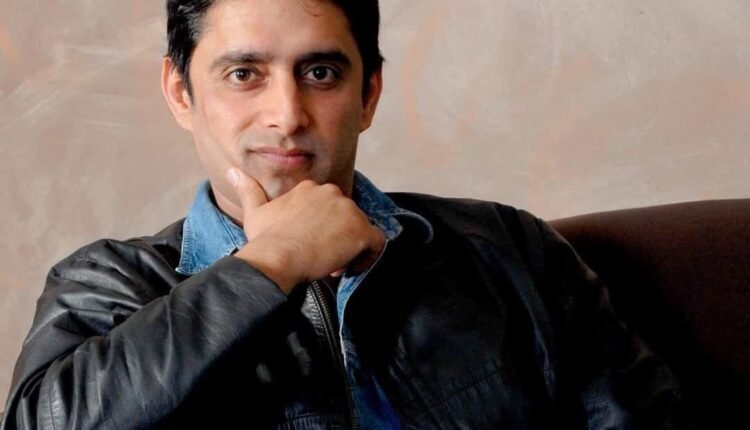
By: Salim Mohamed Badat
As the crescent moon signals the arrival of Eid ul-Adha, Muslims around the world prepare for one of the most spiritually and socially profound moments in the Islamic calendar. Often reduced to a ritual of animal slaughter in mainstream discourse, Eid ul-Adha, the Festival of Sacrifice, is a political, metaphysical, and ethical symbol with layers of meaning that transcend the personal.
It speaks to the very heart of justice, submission to divine will, and the moral responsibilities of leadership and power.
At the center of Eid ul-Adha is the act of Qurbani, the sacrifice that commemorates Prophet Ibrahim’s (Abraham’s) willingness to sacrifice his son in obedience to God’s command. This moment, profound in its historical narrative, is not a call to blind obedience but an awakening to moral clarity. Ibrahim does not act out of compulsion, but from the certitude (yaqin) that true nearness to God demands a surrender of the self.
Sufi metaphysics teaches that the real “son” we must sacrifice is the nafs, our ego, attachments, desires, and fears that obscure the Divine Light. As Rumi said, “The way of love is not a subtle argument. The door there is devastation.” Eid ul-Adha is that door.
The slaughtered animal becomes a mirror, revealing the beast within that clings to pride, comfort, tribal loyalty, and the fear of social alienation.
This internal jihad, is not separate from the outer world. It is its very root. For how can we challenge oppression outside if we remain enslaved within? How many Muslims remain silent about injustice in their families, masjids, or society because the nafs craves safety, approval, and belonging?
The Quran reminds us:
“It is not their meat nor their blood that reaches Allah: it is your piety that reaches Him.” (Surah Al-Hajj 22:37)
This verse strips away ritualism and calls us to sincerity (ikhlas). To reach Allah is to transcend form and enter essence. The knife must fall not only on the ram, but on our arrogance, cowardice, and complicity.
Today, the ummah watches in horror as genocide, apartheid, and occupation desecrate the sanctity of life. Yet many are frozen not for lack of empathy, but because the ego fears consequence. We denounce injustice abroad, yet tolerate racism, classism, and abuse in our homes and communities.
What is this if not idolatry? The Sufis called this hidden shirk, the worship of tribe, image, or self over the Divine command.
In the metaphysical realm, sacrifice is not about loss, it is about return. Every sacrifice made for the sake of Allah draws us closer to Him. It is an act of purification, a burning away of the veils that distance us from His presence. Through surrender, we taste freedom. Through loss, we are given intimacy.
As Ibn Arabi wrote, “The sacrifice is the secret of nearness. That which you give up for Him, He returns to you in Himself.”
Even in Western societies where Muslims live as minorities, Eid ul-Adha becomes an invitation to live with courage, not in reaction, but from inner illumination. It is not enough to organize protests and campaigns if we remain shackled by fear and ego. The real revolution begins in the heart.
The sharing of meat during Qurbani is not charity, it is solidarity. A manifestation of the Prophetic ethic: to care, to give, and to stand with the vulnerable, even when it costs us power or popularity.
Eid ul-Adha, therefore, is not merely a celebration. It is a confrontation. A confrontation with the nafs, with injustice, and with the illusions that veil us from Truth. Sacrifice is not symbolic, it is practical, painful, and necessary.
As the Prophet Ibrahim (AS) taught us, there can be no obedience to family, nation, or tribe if it means disobedience to the divine call of justice.
In the legacy of Ibrahim (AS), we are not asked to merely remember sacrifice, we are asked to live it. To walk the fire of surrender. To trade the illusion of control for the intimacy of nearness. To know that when the knife descends on ego, the gates of proximity open.
That is the true Eid.
That is the real Qurbani.
And that is the path to Allah.
Salim Mohamed Badat
Writer exploring the intersection of faith , politics and justice
Shortlink: https://sudanhorizon.com/?p=14287