

Defection or Agreement?
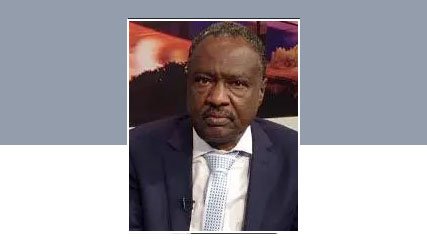
By Rashid Abdel Rahim
Is Al-Nour Qubba’s move to join the government a defection from the Rapid Support Forces (RSF), or is it part of an agreement with the government?
To answer this, we can compare the peace agreements the former Government of National Salvation made with South Sudanese factions to what’s happening now with Al-Nour Qubba and others.
In the case of the southern factions, agreements were formal, reached through negotiations between government political leaders and faction heads. They were clear, public, and only kept confidential in the early stages. Political figures like Ali Osman Mohamed Taha, Dr. Ghazi Salah al-Din, Dr. Magzoub al-Khalifa, and Dr. Ali al-Haj led those talks.
Those agreements enjoyed broad public acceptance and popularity. That was clear when Dr. John Garang returned to Khartoum and when figures like Arok Thon Arok and Riek Machar engaged publicly. These leaders and movements didn’t have a record of what the author calls a “dirty war” involving killings, rape, and looting—allegations now made in the RSF conflict.
In contrast, the groups and leaders involved in current arrangements with the RSF haven’t received similar public support. Instead, rejection and suspicion have prevailed. That was evident in the backlash over unverified footage showing individuals linked to these groups moving around Omdurman in military gear. After the southern peace deals, there were no scenes of their soldiers roaming the capital.
Also, negotiations with RSF defectors seem to have been handled by military or intelligence figures, not political leaders—unlike the southern process.
Structural Differences Between the Two Conflicts
The author highlights several key differences:
Composition of forces: The Sudan People’s Liberation Movement (SPLM) was mainly made up of African ethnic groups, and its goal was framed as independence or separation.
Nature of discourse: The RSF conflict, the author writes, involved explicitly racial rhetoric—including threats to northern cities like Shendi and Dongola, and targeting tribes such as the Ja’alin and Shayqiya.
Strategic objectives: The RSF aimed for demographic change by settling Arab tribes from across Africa—something the southern movements never sought.
Use of external fighters: The RSF reportedly relied on mercenaries and allied groups from Niger, the Central African Republic, and Chad.
Motivations: The author contrasts the “greed” driving the RSF with the “independence and separation” that motivated southern factions.
Trust and Political Conduct
Another fundamental difference is trust. The author argues the RSF deceived the state: they used their ties with the Forces of Freedom and Change to consolidate economic power, access state resources, and control gold assets.
One of the most serious breaches, he writes, was the alleged seizure of strategic state facilities—such as national radio and TV—right at the start of the war, despite having been entrusted with protecting them.
The Central Question
The peace agreement with the South achieved its goal: it ended the war. So the question remains:
Will the current arrangements with RSF-affiliated figures lead to the same outcome—ending the war and achieving peace?
For the author, that question is still open, and the answer depends on how events unfold.
Shortlink: https://sudanhorizon.com/?p=13305