

Concerns Over Shortage of Seeds and Fertilizers (DAP and Urea) for Upcoming Planting Season
Sudanhorizon – Hala Hamza
Agricultural specialists have raised concerns about a significant shortage of cotton seeds in the rain-fed sector for the upcoming season, warning of a similar gap in key fertilizers such as DAP and urea, which could negatively impact targeted cultivation areas. Meanwhile, the Agricultural Research Corporation confirmed that the distribution of seed varieties remains restricted to Chinese and Indian companies.
Abdel Hamid Adam Mukhtar, Secretary-General of the Farmers’ Union in the Blue Nile, stated that the shortage of seeds in the rain-fed sector could reach between 75% and 85%, particularly affecting cotton seeds, which has already led to declining productivity.
Mukhtar told Sudanhorizon: “We are currently cultivating around 600,000 feddans, but we do not have sufficient seeds. The available seeds have been reused for more than 15 years.” He called on agricultural authorities to import and develop new seed varieties and expand seed multiplication efforts to improve cotton yields and increase returns.
He emphasized that seeds are among the most critical inputs in agricultural production, noting that a “revolution” occurred with the introduction of Brazilian cotton resistant to herbicides, which significantly boosted productivity. He added that cultivation in Blue Nile expanded from 10,000–15,000 feddans to much larger areas, supported by seed multiplication efforts by Arab and Brazilian companies, as well as farmers’ initiatives.
Mukhtar pointed out that since 2015–2016, farmers have been receiving only half of the required seed quantities, stressing the need to introduce new varieties. He also criticized the neglect of the cotton development strategy announced by the Minister of Agriculture, particularly regarding the rain-fed sector, which has vast areas requiring specialized treatments and varieties.
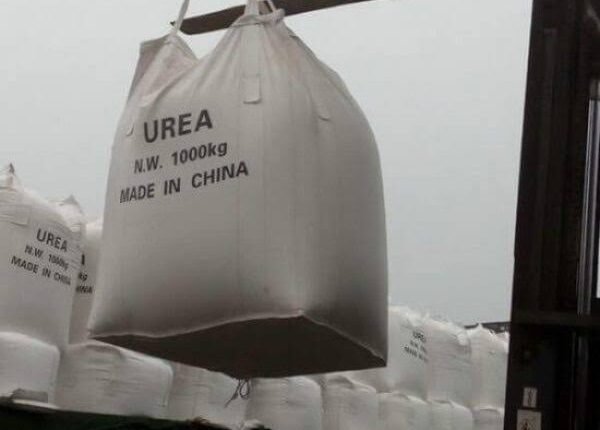
For his part, farmer Othman Ibrahim said that cotton seeds may not pose a major obstacle for the next season due to the availability of genetically modified Chinese and Indian cotton varieties, which have proven highly successful compared to traditional long-staple types. However, he warned that the real gap will be in productivity enhancers such as DAP and urea fertilizers, which directly impact yields. He also highlighted rising input costs as a factor that could reduce cultivated areas.
Ibrahim urged authorities to ensure the availability and subsidization of fertilizers to enable the cultivation of larger areas of this key economic crop, helping Sudan regain its position in global cotton markets and achieve economic development.
On the same issue, Dr. Saif Al-Din Douka, Coordinator of the Cotton Research Program at the Agricultural Research Corporation under the Ministry of Agriculture, told Sudanhorizon that the corporation is unable to resolve the seed issue due to legal constraints. These laws grant a Chinese center exclusive rights to produce foundation seeds and distribute them to companies, while also allowing them to maintain control over the varieties for commercial purposes.
He noted that the corporation hopes to correct this situation soon, pointing to ongoing efforts to develop locally modified Sudanese cotton varieties to diversify the country’s cotton portfolio. However, he explained that legal restrictions prevent this, as the seeds are owned by multinational companies and require official approval for local production.
He called for urgent action to resolve this issue so that the Agricultural Research Corporation can regain its authority in producing and developing certified seed varieties.
Shortlink: https://sudanhorizon.com/?p=12262