

Voluntary Return in Sudan: From Relief to Development
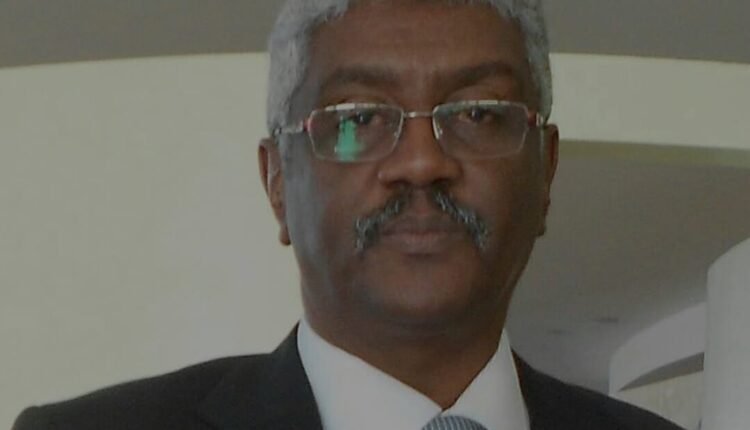
Nu’man Yousif Mohammed
Institutional Development and Microfinance Consultant
Amid the humanitarian and economic crisis Sudan has faced since the outbreak of war in April 2023, the return of internally displaced persons (IDPs) and refugees has emerged as one of the country’s most pressing national challenges. The issue is no longer confined to providing transport or distributing food assistance to returnees; it has evolved into a broader question of how to rebuild local communities and revive local economies in areas of return.
In this context, the proposal to establish a Supreme Council to Support Voluntary Return — and to shift from emergency relief to development finance — represents a strategic step in Sudan’s recovery trajectory.
During the displacement phase, humanitarian aid played a decisive role in saving lives and alleviating suffering. Its importance cannot be overstated. However, international experience demonstrates that relief, however long, cannot substitute for development. Prolonged dependency on aid fosters a fragile consumption-based economy rather than a productive one, leaving communities vulnerable to renewed poverty and displacement.
Sustainable return requires more than relative security. It demands employment opportunities, productive financing, essential services, and structured local economic organisation. Development finance — particularly microfinance, cooperative finance, and community-based funding models — can empower returning households to restore their livelihoods and re-enter economic activity. When returnees transition from aid recipients to producers, the cycle of genuine recovery begins.
Establishing a dedicated Supreme Council for Voluntary Return could provide a national coordination platform bringing together government, international organisations, the private sector, and local communities. In the absence of a central coordinating body, programmes risk fragmentation, duplication in some regions, and neglect in others. A high-level institution with a strategic vision would help channel resources towards real priorities and link return efforts directly to reconstruction and local development.
Economically, return programmes aligned with development finance could revitalise agricultural, artisanal, and commercial production across large parts of the country. They would generate employment and reduce reliance on aid. Reinvigorating local economies would also restore rural markets and rebuild disrupted value chains affected by displacement.
Socially, organised and economically supported return strengthens community stability, and rebuilds trust within local societies. Economic opportunity reduces competition over scarce resources, fosters social cohesion, and facilitates the natural reintegration of returnees.
Environmentally, integrating return initiatives with land rehabilitation and sustainable enterprise development offers an opportunity to improve natural resource management and mitigate environmental pressures that arose from displacement and temporary settlements.
Ultimately, the success of voluntary return will not be measured solely by the number of people who return to their areas of origin, but by their ability to rebuild stable, productive lives. From this perspective, establishing a Supreme Council to support return and shift towards development finance is not merely an administrative proposal; it is a necessary step to transform return from a temporary humanitarian response into a national project for development, stability, and reconstruction.
Shortlink: https://sudanhorizon.com/?p=11388